Org Mode Syntax Is One of the Most Reasonable Markup Languages to Use for Text
https://karl-voit.at/2017/09/23/orgmode-as-markup-only/
#HackerNews #OrgMode #Syntax #TextMarkup #ReasonableLanguages #ProductivityTools
Org Mode Syntax Is One of the Most Reasonable Markup Languages to Use for Text
https://karl-voit.at/2017/09/23/orgmode-as-markup-only/
#HackerNews #OrgMode #Syntax #TextMarkup #ReasonableLanguages #ProductivityTools
I program without syntax highlighting
https://hakon.gylterud.net/opinion/syntax-highlighting.html
#HackerNews #I #program #without #syntax #highlighting #programming #syntaxhighlighting #coding #opinion #developer
A font with built-in TeX syntax highlighting
https://rajeeshknambiar.wordpress.com/2025/12/27/a-font-with-built-in-tex-syntax-highlighting/
#HackerNews #font #TeX #syntax #highlighting #coding #design #tools
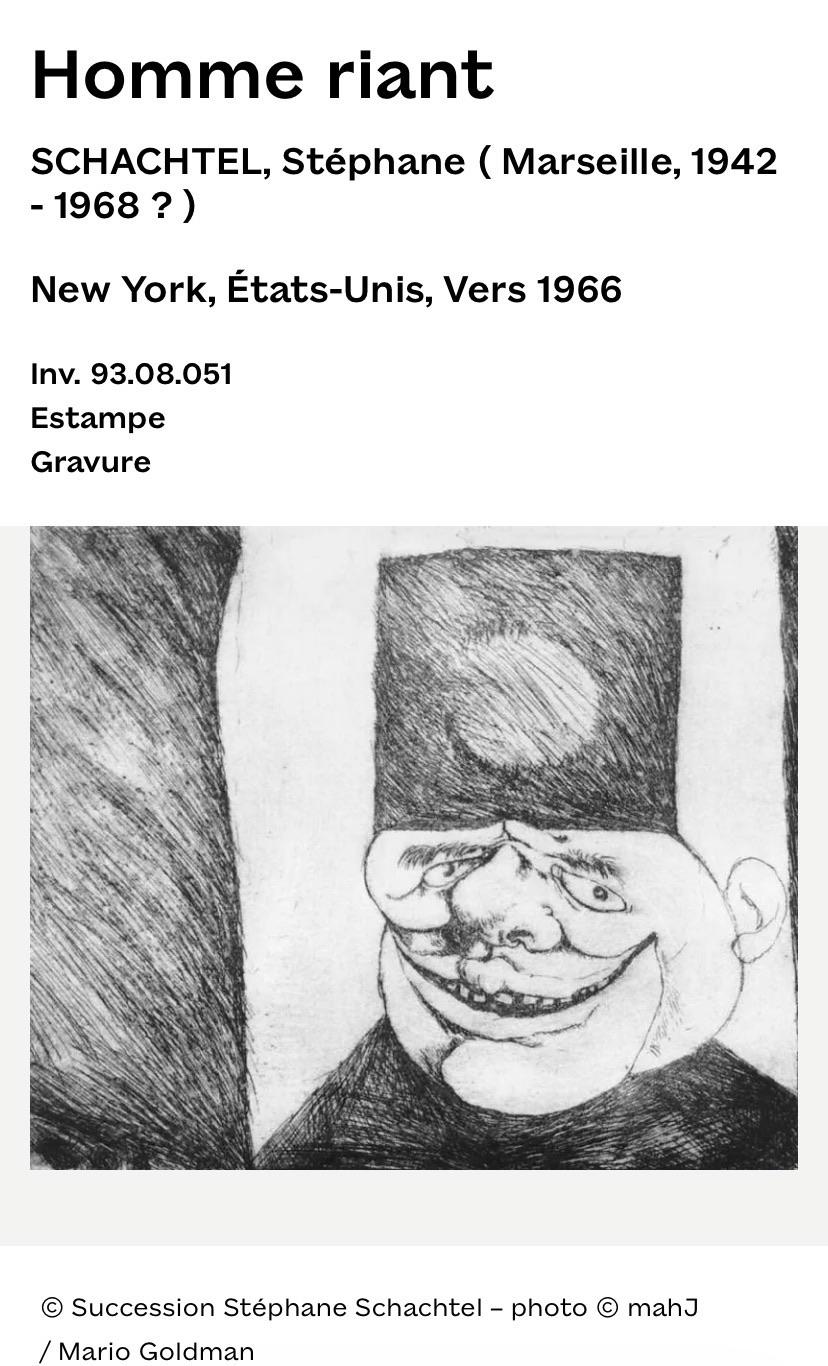
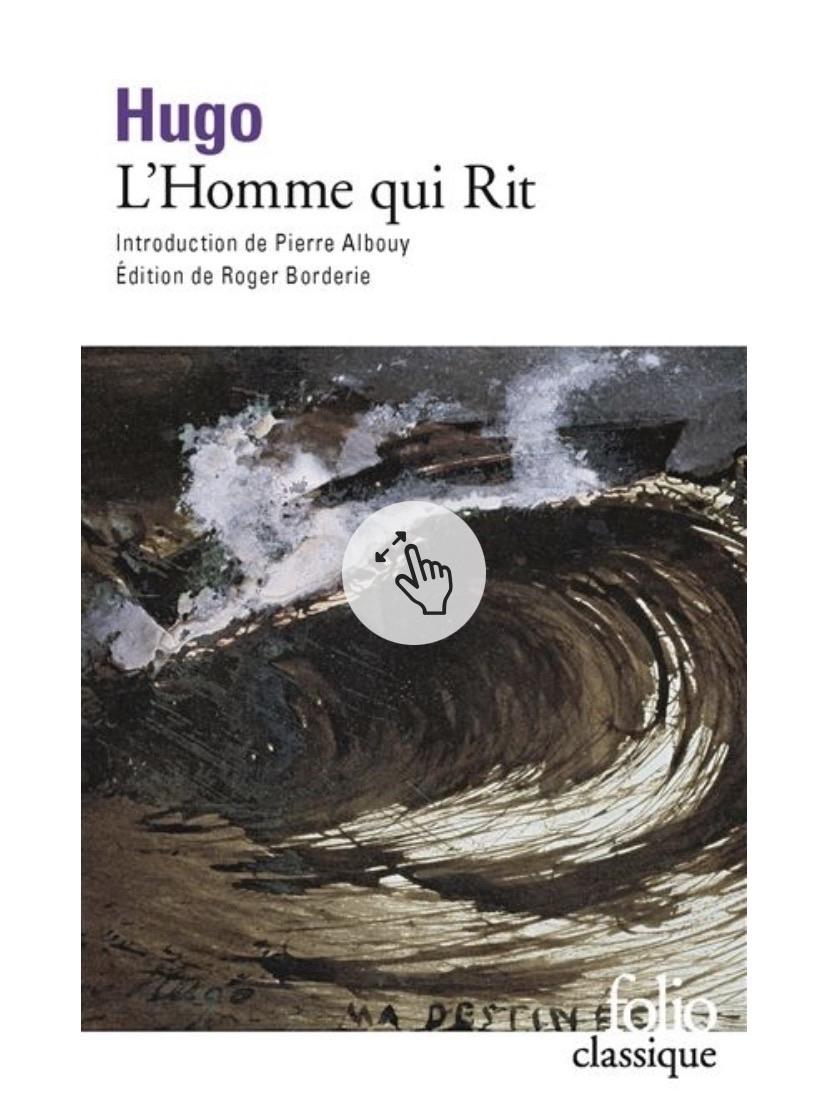
does this distinction match the distinction in AAVE between “the man be laughing” and “the man is laughing”? Why does so-called standard English have no such strong syntactical distinction between habitual and present action? (Sparked by a dinner table argument over Laughing Cow brand cheese, served in individual wrapped triangles without text in this officially bilingual country. I guessed the French name would be “La vache qui rit”; my daughter guessed “La vache riante.” I won.) #syntax
does this distinction match the distinction in AAVE between “the man be laughing” and “the man is laughing”? Why does so-called standard English have no such strong syntactical distinction between habitual and present action? (Sparked by a dinner table argument over Laughing Cow brand cheese, served in individual wrapped triangles without text in this officially bilingual country. I guessed the French name would be “La vache qui rit”; my daughter guessed “La vache riante.” I won.) #syntax
T-Ruby is Ruby with syntax for types
#HackerNews #T-Ruby #Ruby #Types #Syntax #Programming #Language
Font with Built-In Syntax Highlighting (2024)
https://blog.glyphdrawing.club/font-with-built-in-syntax-highlighting/
#HackerNews #Font #Syntax #Highlighting #2024 #Typography #Design #Coding #Tools
Just found this cool tiny helper app: Syntax Highlight. It enables #syntax highlighting in #macOS's #quickview! I was actually just searching for sth that would enable the preview of #yaml files. Now I can preview pretty much any code file directly in #Finder/ #PathFinder 😊👌
For over 40 years, I have been an ardent fan of the C programming language. It is brilliant for small (<< 100,000 SLC) systems #programming projects.
But I do believe that almost all modern languages adopting C's ALGOLish blocky #syntax harms language evolution. This syntactic monotony is the consequence of the rightful dominance of Lex and Yacc, the general disdain amongst the programmer cast for LISP's brilliant parenthetical s-expressions, and the difficulty of implementing well ISWIM's beautiful offside rule.
I know I am in a wee minority, but I do wish that more programmers learn to love the plain, succinct, cogent syntax of Miranda, Haskell, Agda, et al.
For over 40 years, I have been an ardent fan of the C programming language. It is brilliant for small (<< 100,000 SLC) systems #programming projects.
But I do believe that almost all modern languages adopting C's ALGOLish blocky #syntax harms language evolution. This syntactic monotony is the consequence of the rightful dominance of Lex and Yacc, the general disdain amongst the programmer cast for LISP's brilliant parenthetical s-expressions, and the difficulty of implementing well ISWIM's beautiful offside rule.
I know I am in a wee minority, but I do wish that more programmers learn to love the plain, succinct, cogent syntax of Miranda, Haskell, Agda, et al.
Mergiraf: Syntax-Aware Merging for Git
https://lwn.net/SubscriberLink/1042355/434ad706cc594276/
#HackerNews #Mergiraf #Syntax-Aware #Merging #Git #VersionControl #DevTools #CodeMerge
Syntax and Semantics of Programming Languages (1995)
https://homepage.cs.uiowa.edu/~slonnegr/plf/Book/
#HackerNews #Syntax #Semantics #ProgrammingLanguages #1995 #ComputerScience #HackerNews
Syntax and Semantics of Programming Languages
https://homepage.cs.uiowa.edu/~slonnegr/plf/Book/
#HackerNews #Syntax #Semantics #ProgrammingLanguages #ComputerScience #HackerNews
Doing my own syntax highlighting (finally)
https://alexwlchan.net/2025/syntax-highlighting/
#HackerNews #Doing #my #own #syntax #highlighting #(finally) #syntaxhighlighting #DIY #coding #programming #webdevelopment
#Rust has a new path to create a formal language specification for #syntax and #semantics.
Ferrous Systems is donating their work on a language specification to the rust project and the wider community.