Showing activities from people in this circle



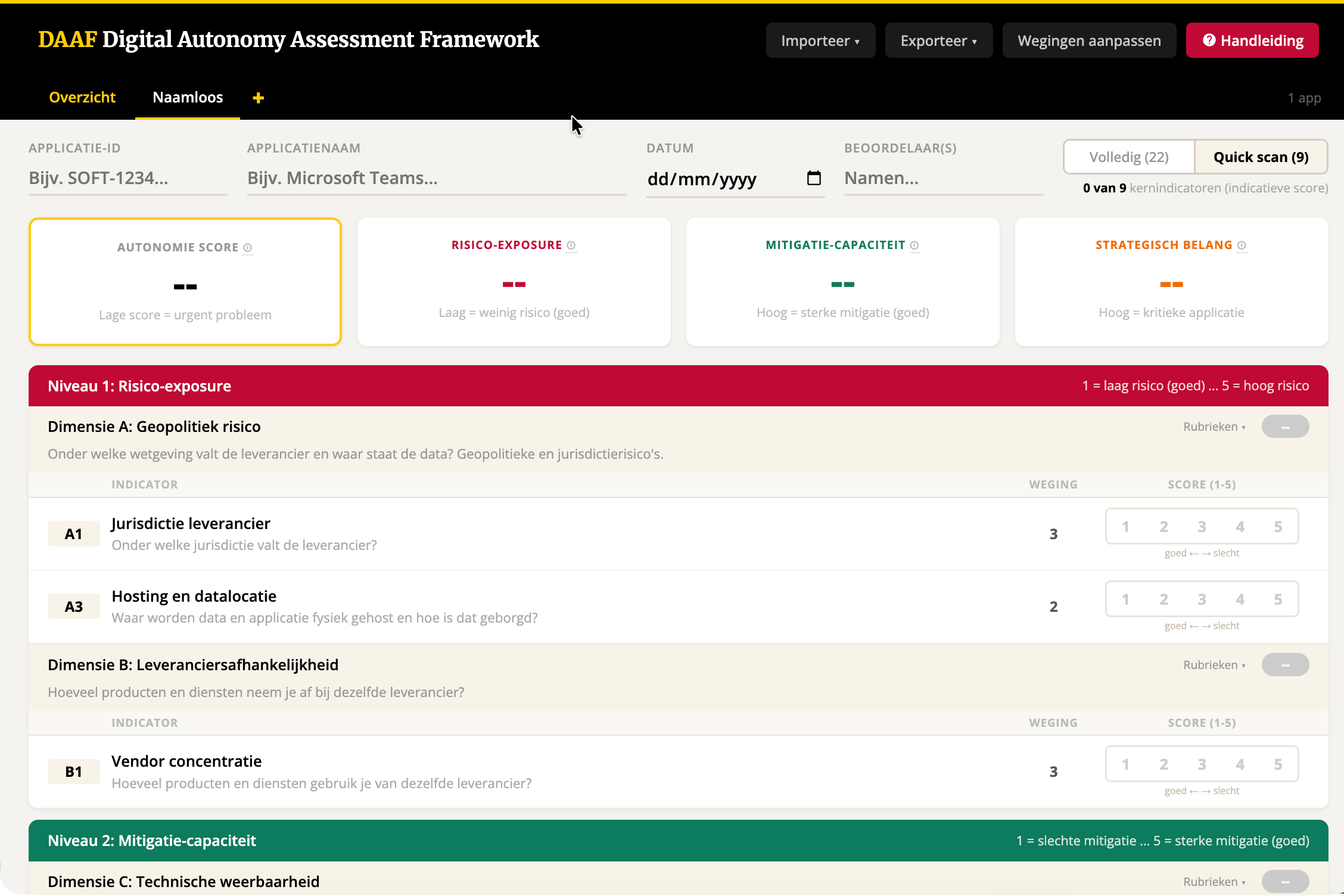
Via 2️⃣2️⃣ vragen naar een autonomiescore - Utrecht University ontwikkelt tool om applicatielandschap te beoordelen op digitale autonomie!
Een gesprek met Marije de Vries (@marije), strategisch kwartiermaker digitale autonomie, en Tim van Neerbos, lead enterprise architect.
🗣️ "Het is een hulpmiddel, een poging digitale autonomie meetbaarder te maken dan alleen ons onderbuikgevoel."
🔗 Het interview: https://edu.nl/ef9dw
hypebot
boosted


Huge exciting news that I am finally allowed to share: Employees at Dark Horse Comics have formed a union!!! Please sign their petition for voluntary recognition and blast out their social media posts if you're a comics fan or just love good art and worker power.  https://actionnetwork.org/petitions/dark-horse-workers-united


@simonzerafa No, it'll burst sooner than that. Once SpaceX, Anthropic, and OpenAI have IPO'd the big hypemongers will take their loot and run away, very fast, leaving the shareholders holding the bag.
Back in '99-00, the dot com bust followed a wave of IPOs as founders cashed out …


@cstross @simonzerafa you can see a scenario where nvidia chugs on and all of the platforms go


California’s salmon fishery is back open after a three-year closure, and fresh local salmon is returning to menus and markets.
But fish ecologists warn the same problems that caused the collapse (drought, warming rivers, water management and habitat loss) still haven’t been fully addressed.




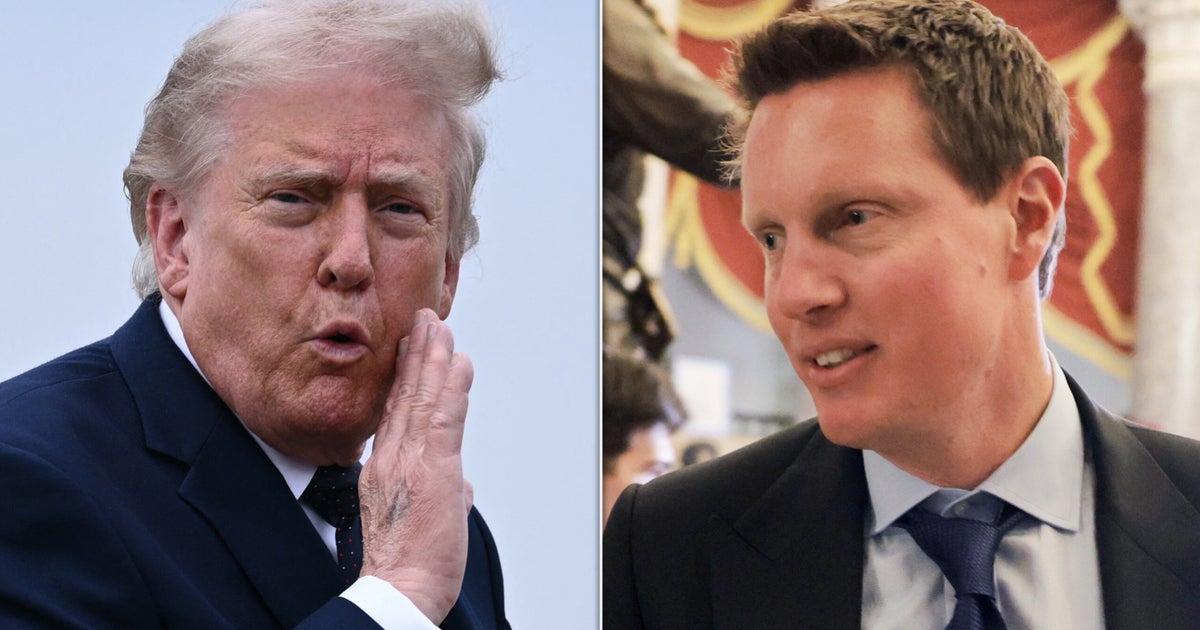
Hundreds of journalists, academics and filmmakers have signed a letter against the proposed merger of Paramount Skydance and Warner Bros. Discovery. The letter's signatories include former CNN anchor Jim Acosta, former ABC and CBS News correspondent Judy Muller. It warns that Paramount CEO and Trump pal David Ellison will likely alter CNN's editorial direction and HBO's documentaries to be more friendly to the Trump administration, and that the proposed merger should be perceived as a “political arrangement to circumvent constitutional safeguards, with severe consequences for American democracy.” Here's more from HuffPost.


@Flipboard eh, I gave up on cnn years ago. They are irrelevant.


hell yeah!



@mntmn omg that's amazing


Call of Booty 7


snek 🐍
(What? It doesn’t always have to be profound.)
Jan :rust: :ferris:
boosted


📣 Why is the entire Fediverse not yet talking about the new documentary "Ghost In The Machine"?
> A feature documentary charting the untold origins of artificial intelligence. This is not a story about machines, it is a story about power.
 Watch the trailer. Boost this post. Then go to their website for screening details.
#GhostInTheMachine #AI #ArtificialIntelligence #SurveillanceCapitalism #technoFascism



vruz
boosted


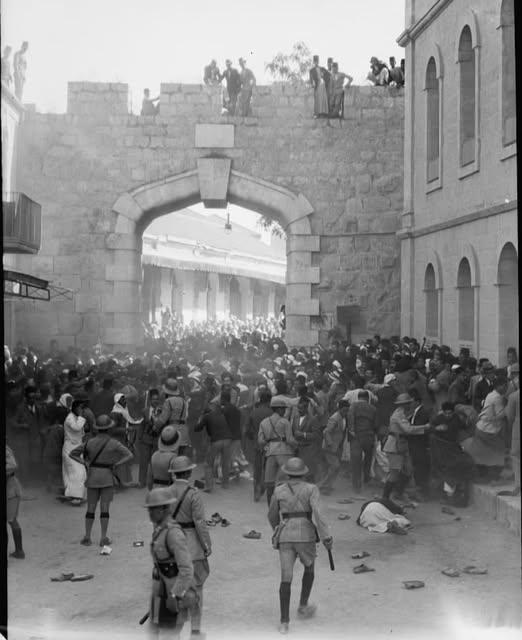
British troops attack a Palestinian demonstrators protesting the nascent Zionist movement at Jerusalem's New Gate on October 13, 1933.
#History #Palestine #Britain #Israel #Terrorism #Colonialism #WestAsia #Occupation

on top of retooting the "hilarious" "joke" where someone just insulted me because my opinion differs slightly from theirs
this is how we're gonna defeat AI, right?


@ratsnakegames you seem exhausting

I'm seeing the light at the end of the tunnel. Not much left for the first public release.
I thought a bit about the notification system when longer tasks are running. This is a version. (please ignore the debug stuttering).
#liquidglass #iosdev #applemusic #buildinpublic #swiftui

@obrhoff Neat!
Aral Balkan
boosted

This week I was invited by the Association of Palestinian Arab Canadians (APAC) to deliver the keynote address to its tenth annual Palestine Day on The Hill. The text of my remarks below:
On 21 September 2025, Canada formally recognized the State of Palestine.
The Palestinian diplomat Afif Safieh often remarked that Western states appeared undecided if the crisis in the Middle East is the result of one state too few, or of one people too many.
Israel of course insists there is one people too many. Over the decades it has sought to resolve this issue by way of dispossession, occupation and annexation, and now also genocide.
In recognizing Palestine, Canada has decisively rejected Israel’s approach and made clear its position that there is one state too few, and that the inalienable right to self-determination of the Palestinian people must be realised in practice.
Canada’s recognition of Palestine has been dismissed, and at times derided, as a purely symbolic measure that changes nothing.
Formal recognition of a foreign state is of course never symbolic. Whether or not it changes anything beyond Canada’s official position is a different question.
This will depend, first and foremost, upon the extent to which Canada upholds and discharges its international obligations. These are obligations, it should be noted, that Canada formally accepts.
These obligations are neither general nor theoretical. They are clearly, and very precisely, spelled out in a series of International Court of Justice rulings, United Nations Security Council Resolutions, International Criminal Court decisions, and more broadly the principles of international law and its relevant instruments, such as the United Nations Charter, the Geneva Conventions, and the 1948 Convention on the Prevention and Punishment of the Crime of Genocide.
These rulings and resolutions go back many decades. Among the most significant are those issued in the past 2-3 years.
In July of 2024, most pertinently, the ICJ determined that “Israel’s continued presence in the Occupied Palestinian Territory is unlawful” and that “all states are under an obligation … not to render aid or assistance in maintaining the situation created by the continued presence” of Israel in these territories.
These are now settled matters of international law, pun intended. Any other statement about the status of Israel’s presence in these territories and how states should respond to this presence is not only just an opinion, but from a legal and political standpoint an entirely irrelevant one.
At a minimum, therefore, Canada must refrain from any dealings with Israel, of any nature, whether by its government, private sector, or citizens, that enable Israel to maintain its rule over the territories it illegally occupies. Canada must seek, and Israel must provide, verifiable guarantees that any such dealings will not contribute to the maintenance of its illegal occupation.
A failure to seek or to obtain such guarantees places Canada in clear violation of its obligations.
In practice, this affects a very wide range of activities: arms sales and weapons deliveries; trade and investment; the participation of Canadian citizens in Israel’s armed forces and its illegal settlement enterprise; the involvement of Canadian organisations, including tax-exempt charities, in Israel’s illegal regime of occupation; and partnerships with Israeli firms, organisations, and institutions whose operations contribute to Israel’s illegal presence in the State of Palestine.
These are but some of the specific obligations Canada is required to implement by virtue of its participation in the international system and recognition of its institutions. They represent the bare minimum of Canada’s obligations to not only respect international law, but also to ensure respect for it by other members of the international community.
More broadly, Palestine today is not only the litmus test of humanity and the fundamental moral question of our time, but also the canary in the coalmine of the norms and values that underpin the international system, and of the institutions these norms and values have produced.
A case in point is the International Criminal Court, which has come under sustained attack on account of fulfilling its own mandate and obligations. A number of its senior staff, including Canadian judge Kimberly Prost, have been sanctioned by the United States for fulfilling their professional duties. Others have been subject to Israeli threats and attempts at blackmail and bribery, and sanctioned imposed by Washington on Israel’s behalf.
Against this background, permitting indicted war criminal and fugitive from international justice Benjamin Netanyahu to enter Canadian airspace to visit the government that sanctioned Judge Prost sends a wrong signal.
Ultimately, this is about making strategic choices: will Canada fulfil or neglect its international obligations when it comes to Israel and Palestine?
Will Ottawa continue to embrace the double standards so evident in its differing approaches to Ukraine and Palestine, or will it hold Israel to the same standard it applies to others?
Does genocide still have consequences in the twenty-first century, or is the crime of crimes to be normalised because it is perpetrated by Israel?
Ultimately, this is first and foremost about impunity, and the urgent priority of transforming this impunity into accountability. Absent this transformation, Canada’s recognition of Palestine will remain ink on paper.
The time remaining for Canada to get on the right side of history, in not only word but also in deed, is rapidly diminishing.
Canada has what it takes to do the right thing. Each of us also has a role to play and a contribution to make in ensuring that it does. And History never forgets.
@jwilker @jalefkowit I wish they were required to share data across systems through standardized protocols.
The data should be yours and you should receive a request to share that data with the provider. Social networks figured it out you’d think healthcare would too.

@fahrni Agreed! And Exactly. It should be the patient's to use as we like and ultimately own and control access to
hypebot
boosted


Threat intel and Cybersecurity research firms: if you're not providing RSS feeds to your blog, you're hurting your brand.
Whatever traffic you think you're driving to the site by preventing analysts from ingesting feeds is outweighed by the reputational damage of not providing a service we expect and rely on.
And if your reason is because it's hard behind Cloudflare, well, you're telling on yourself twice.
Carlos Solís
liked this activity


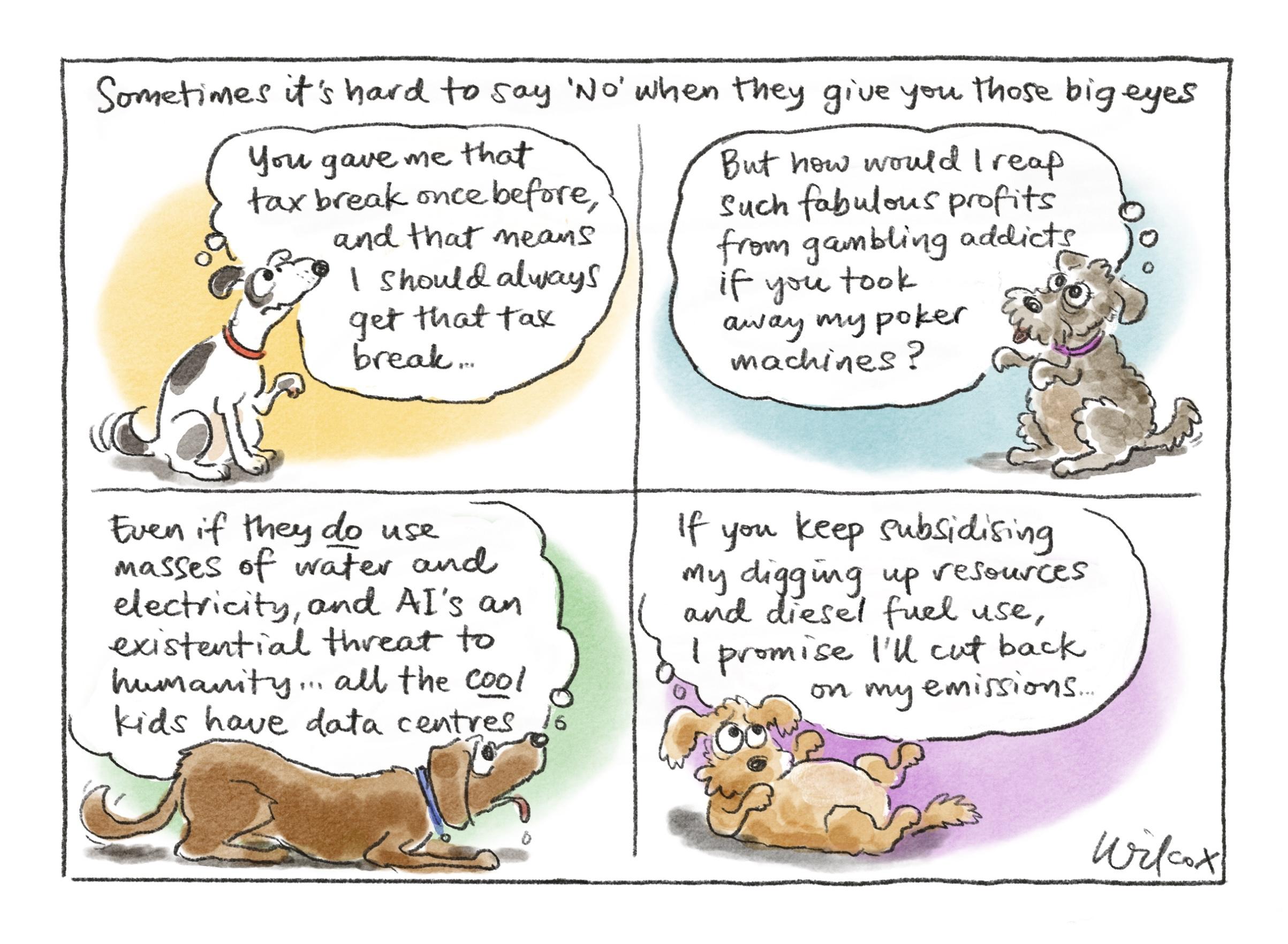
Puppy dog eyes.
My @smh @theage cartoon.


Le site en latin du Vatican a l’air de dater des débuts de l’internet COMME DE PAR HASARD


@joachim j'adore olalah je vais aller m'y perdre bientôt je crois