Once again positively surprised how well single-pass compilers synergize with modern branch predictors. The CPU time distribution in my single-pass compiler is roughly 40% lexing + 40% parsing and semantic analysis + 20% code generation (x86-64). The lexer is a conventional switch-based lexer and its hot paths are well optimized but don't use any crazy tricks: it processes input at ~0.75 GB/s on one thread. But 40% is enough that I thought I'd compare with a full AVX-512 SIMD lexer.
Conoscete qualche #app #Android open source che permette di definire delle regole per bloccare le chiamate in entrata. Non voglio solo bloccare i singoli numeri come fa il telefono di base ma vorrei bloccare numeri con regole più dinamiche (tipo espressioni regolari)
Esistono app nel play store ma non sono aperte.
I accidentally flung the blankets over my ginger boy this morning and I think he stayed like this all day 🤣
The TL; DR is that if you're writing a very fast compiler like this where lexing is a significant time cost, it's almost certainly not worth it to use even a hyper-optimized SIMD lexer. After all the experimentation back in the day, that was my final conclusion as well. The 5% is not worth giving up the flexibility of a conventional lexer, and that's just about the best case given that this is a micro-optimized full AVX-512 lexer on just about the fastest single core machine you can buy.
@pervognsen did you also experience a different maximum achievable clock when using the AVX-512 path and was it big enough to impact performance? One lesson learnt from vectorizing non-explicitly parallel code is that a good chunk of the speedup gets eaten up by the reduction in clockspeed and this has a knock-on effect on throughtput: hardware threads not using the vector units get bogged down because they share a core with an AVX-using core. In multi-threaded applications this has the added cost of indirectly slowing down your critical sections (which are almost always scalar), further hampering overall throughput.
@magicalthinking you do both
The UK can rejoin the EU on these conditions:
The Brits teach the French to speak English. The French teach the Brits to cook.
The Brits build the Danes a proper navy. The Danes fix British cycling infrastructure.
The Italians teach the Brits design. The Brits teach the Italians to drive.
The Dutch run the British trains on time. The Brits give the Dutch one mountain.
The Spaniards teach the Brits responsible drinking. The Brits show up sober for the lessons.
Brussels, your move.
@randahl And we ban tea. It just tastes like brown water.
La decisione dell’azienda di reintegrare il manager che si era appena dimesso per uno scandalo è un ulteriore segnale dei guasti del capitalismo statunitense. Leggi l'articolo di Alessandro Lubello.
Jensen Huang è già tornato a g...
European Parts Made in 2026 Found in Russian Drones
Meow #cat
Trump puts Jensen back in at Nvidia
A little light treason
by Amy Castor and David Gerard
https://www.youtube.com/watch?v=K9XSm5xH1-Y&list=UU9rJrMVgcXTfa8xuMnbhAEA - video
https://pivottoai.libsyn.com/20261123-trump-puts-jensen-back-in-at-nvidia - podcast
time: 7 min 31 sec
https://pivot-to-ai.com/2026/11/23/trump-puts-jensen-back-in-at-nvidia/ - blog post
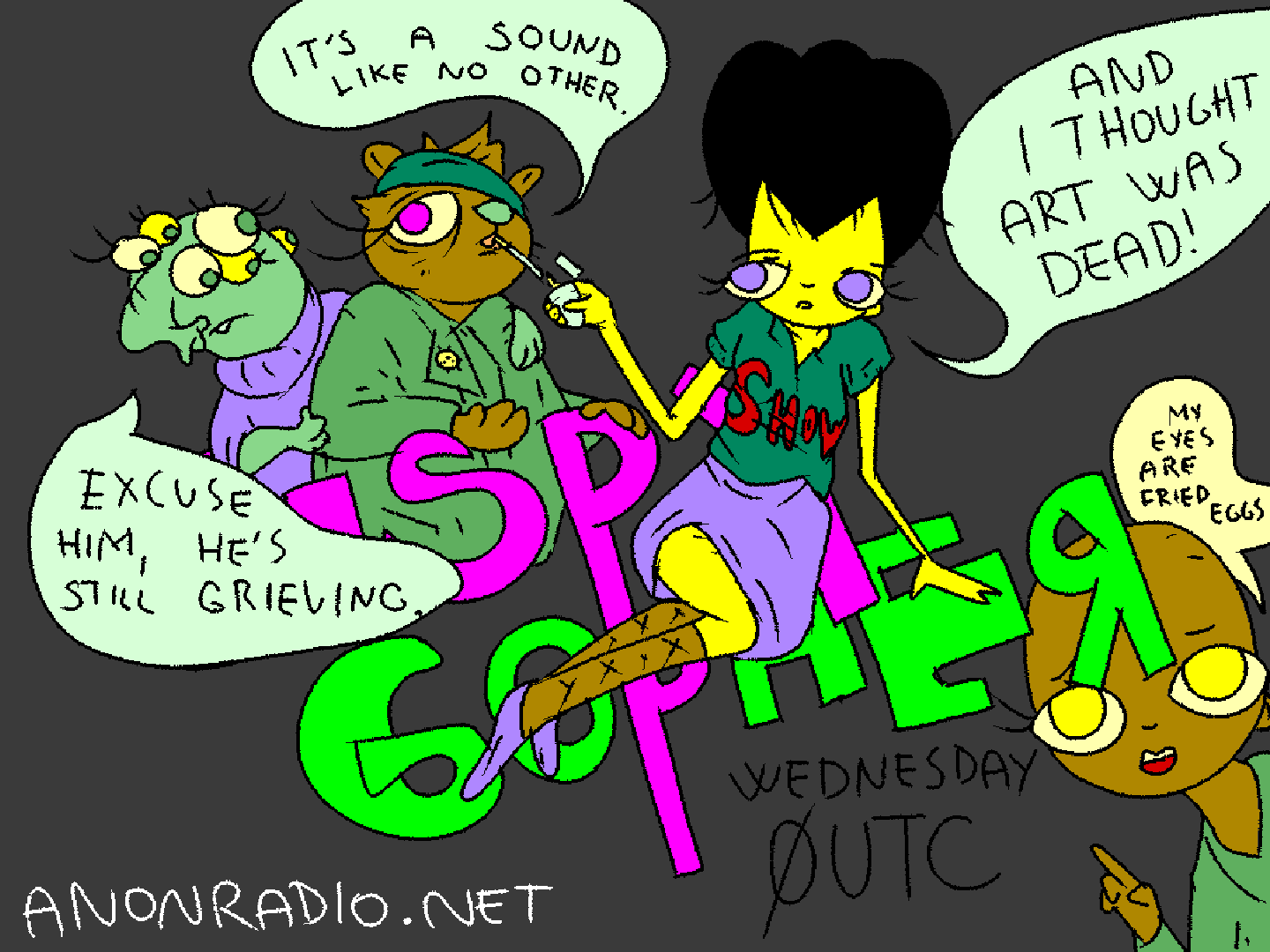
#lispyGopherClimate we have to prerecord tomorrow's episode, which we will do #ARCHIVED at https://toobnix.org/w/63e6TbspfiBrhDPwzbpiTR
#poetry episode! Interviewing the #poet #author @Aphelion @SDF #sdf
https://michellejoygallagher.com/
https://www.nihtgengapress.com/product/threnody-new-poems
and @kentpitman . Today's topic really is poetry and #writing per se.
And the #climateCrisis, #obviously. And #lisp people are basically aspiring poets. #art
#liveChat in #lambdaMOO #VR as always.
I have some #JanetFrame next to me. #NZ #boost please!
The no-code and low-code thing really bugs me. I learned BASIC in the '80s. No modern computer ships with a programming environment that makes it as easy to access the functionality of the machine as '80s BASIC. Yet the computers have become many orders of magnitude more powerful.
Jef Raskin complained about this in 2000: The amount of time from turning the computer on to being able to write a trivial program to solve a user's problem had gone from under a second to multiple minutes, in spite of processor speed and RAM increasing by a factor of 1000 in the intervening time.
Open source has been very bad at this. The attitude that real programmers use C or Lisp and that including any end-user programming environment is catering to people who shouldn't be programming is incredibly toxic.
@david_chisnall @iamlayer8 HyperCard is the prime example of this. It allowed so many people without a software engineering background to build incredibly useful apps. And even one of the best games of all time, Myst. The complexity wasn’t swept under the rug like LLM generating thousands of lines do, eventually collapsing under its own complexity. It simply didn’t exist. At the cost of some limitations it was stunningly simple, yet powerful.
Stop scrolling for a second - the next thing you learn might be in the article below.
Several EU-funded projects have developed online courses to help you learn, grow & unlock new opportunities.
All the courses are available in English & free-of-charge: https://europa.eu/!jJxCGh
Post-truth, postmodernism - nobody is more right than anyone else. Except that's bullshit, power is always more "right" as it gets to decide which truths count and whose voices get heard.
That's a pretty crap world to live in, and one that could leave a lot of us displaced or dead as #climatechaos bites harder.
When we abandon shared truth and collective action, power fills the vacuum. Please don't be a prat. Think about this.
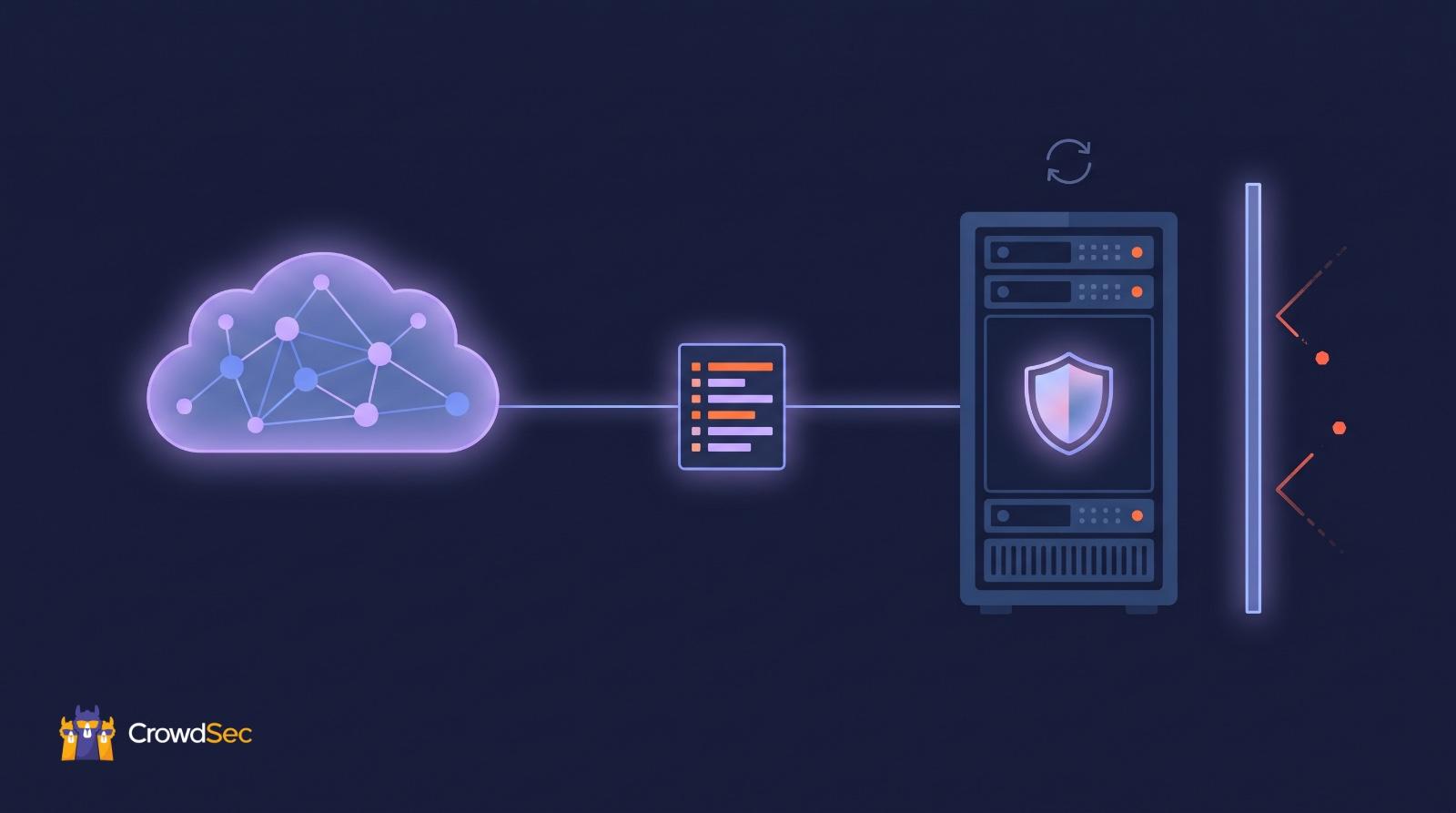
Running a Palo Alto firewall? You can add CrowdSec blocklists as an External Dynamic List (EDL) in 6 steps, with nothing to install.
The guide covers:
• the steps, from the CrowdSec Console to the Drop rule
• which update interval to pick
• how many IPs an EDL can hold
• troubleshooting, and pushing it from Panorama
🔔 The deadline to contribute to the OSMI self-assessment grid consultation has been extended to 15 December 2026!
Is the grid clear and easy to use? Is anything missing? Your feedback will help us improve it!
📅 New deadline: 15 December 2026
👉 Take part (anonymous): https://forms.gle/EqmbqKVJdHoS24hJ7
📄 Explore the grid: https://drive.google.com/drive/folders/14F8MXGQBYrgagGFh5L0LrdqBVHEDBSYq
📘 Principles: https://open-science-monitoring.org/principles/