
I’m going back to bed as it is very much a “my tummy hurts and I’m mad at the government” kinda day

@farah feeling that. I hope things get better for you really soon💖
Discussion
I’m going back to bed as it is very much a “my tummy hurts and I’m mad at the government” kinda day
@farah feeling that. I hope things get better for you really soon💖
Hey hey hey momo
@heyheymomo Love it! Reminds me of a certain song https://www.youtube.com/watch?v=XEn-mmFiYDs
🇵🇸 Pep Guardiola invita a partecipare alla conferenza europea del @bdsmovement, il movimento internazionale di boicottaggio contro Israele, che si terrà a Barcellona dal 18 al 20 novembre.
"Perché nessun genocidio si ferma mai da solo, e la pace non arriva mai da sola."
@riccardotrezzi Mancano editori coraggiosi e la sempre più rara onestà intellettuale. E gli effetti dannosi sulle persone sono visibili ovunque
@simonegiacoma @riccardotrezzi Onestà intellettuale 🤣🤣
Come quella del conduttore di @dimartedi (#La7)?
Potremmo capire la Piccolotti (ignoranza), ma Floris che si crede un giornalista preparato (e forse lo è)?
Onestà intellettuale 🤣🤣
#DiMartedì 20-10-2026
Mastodon makes me feel not as weird because the people here tend to relate to what I'm saying, but then I remember that it's just because we're all weird over here.
@Alice definitely one of the reasons I love it here...my weird self feels at home😝
🇮🇹 Lista degli ospiti di Di Martedì, età in parentesi. Età media: SETTANTA anni:
- Walter Veltroni (71)
- Sergio Rizzo (70)
- Rocco CAsalino (54)
- Eliana Como (51)
- Elsa Fornero (78)
- Gianfranco Casini (70)
- Antonio Padellaro (80)
- Milena Gabanelli (72)
Poco prima, Lilli
https://bird.makeup/users/la7tv/statuses/2112635635009736959
@riccardotrezzi Professore il pluralismo ahimè è quasi estinto. Se nessuno in tv dà il buon esempio su questo come si può sperare che esista nella società civile? In ufficio da me è una gara di doppi standard, doppiopesismo e schifosa ipocrisia.
“I don’t think there’s evidence that the Trump family has become enriched by politics,” @jdvance tells @markhalperin. “I think the fact that their lives were so destroyed — almost destroyed — I think is evidence that they sacrifice a lot for politics.” And what about his friend, Donald Trump Jr? “I don’t think the standard should be that the president’s son, who’s not involved in politics, should not be able to live his life. I think the standard should be that the president’s son should not be selling access to the president. And I see no evidence of that.”
As we were reminded yet again yesterday, we can’t take anything for granted with this election when Trump and his enablers are desperate to avoid accountability for their actions.
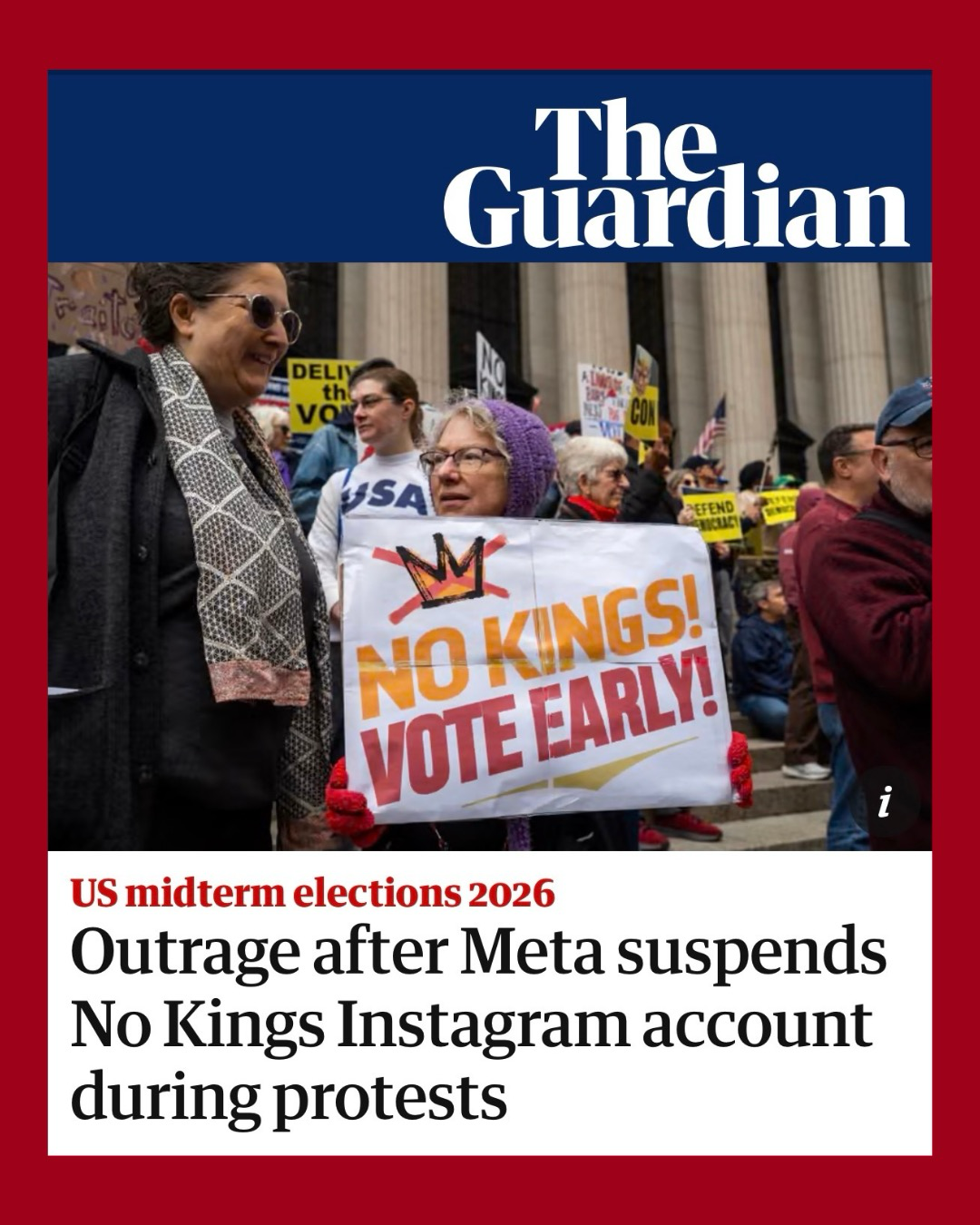
The ability of tech billionaires to silence opposition voices really underscores the importance of on-the-ground, people-powered movements with a presence everywhere. Please pitch in if you can to power our nationwide organizing to get out the vote, win the midterms, and stop the regime’s election sabotage: https://secure.actblue.com/donate/2026-general-election?refcode=mastodon20261018directpost&source=mastodon
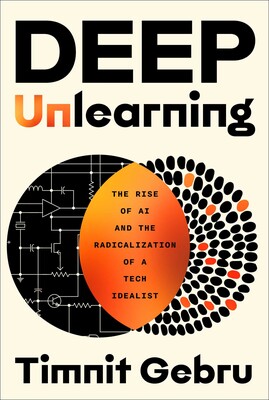
ALL HANDS ON DECK!!!!!! https://www.simonandschuster.com/books/Deep-Unlearning/Timnit-Gebru/9781668093078 🚨🚨🚨🚨 @timnitGebru HAS A BOOK AVAILABLE FOR PREORDER!!!!!
The weekend is over, the demolition of our bike lanes is set to resume. Officer 8778 says, "[he doesn't] like it but they're coming out." Are the pigs right?
Monday, October 19 from 6AM to 4PM we're back to slow it down and make sure it's a thankless job. Bring a friend, bring a sign, bring your voice.
Politico: "Republicans tried to punt health care cuts until after the midterms. It didn’t work.
While most GOP-enacted cuts to Medicaid and other safety net programs won’t happen until 2027, Democrats are speaking to the voters already feeling the squeeze"
RE: https://bsky.app/profile/did:plc:2rrp7amblhg3xoly5n5huiqv/post/3my6gbvcet22t
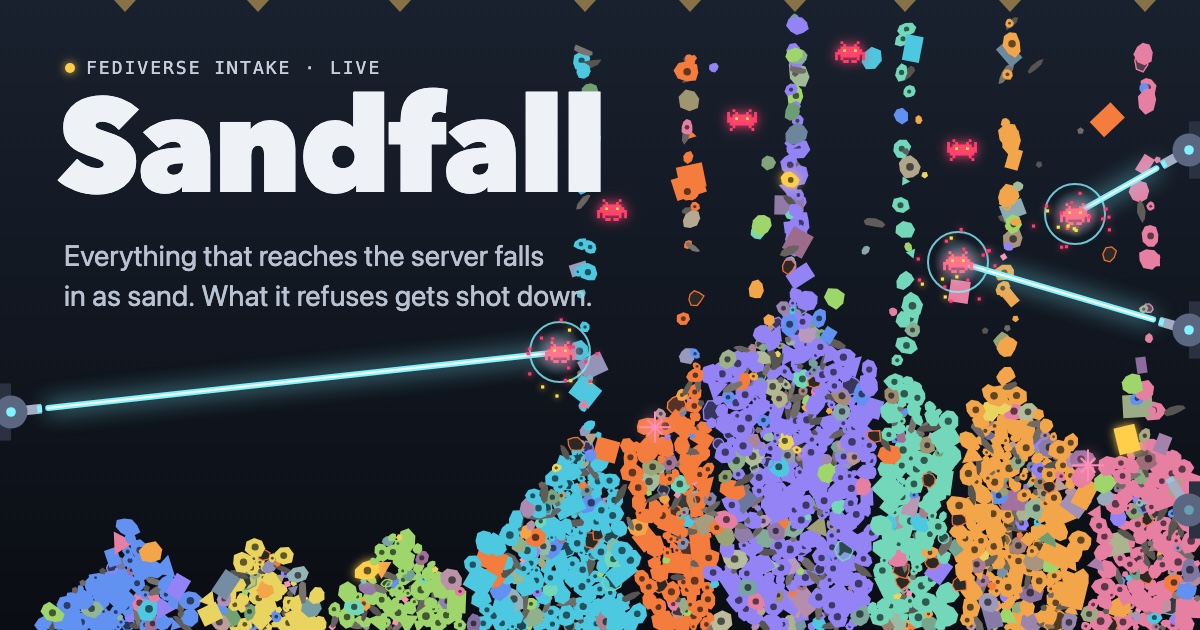
AP activities which are refused by a server (for example due to bad signature) are now shot space invaders style :)
soon on https://welley.social/sandfall
RE: https://eupolicy.social/@jmaris/117461810385145539
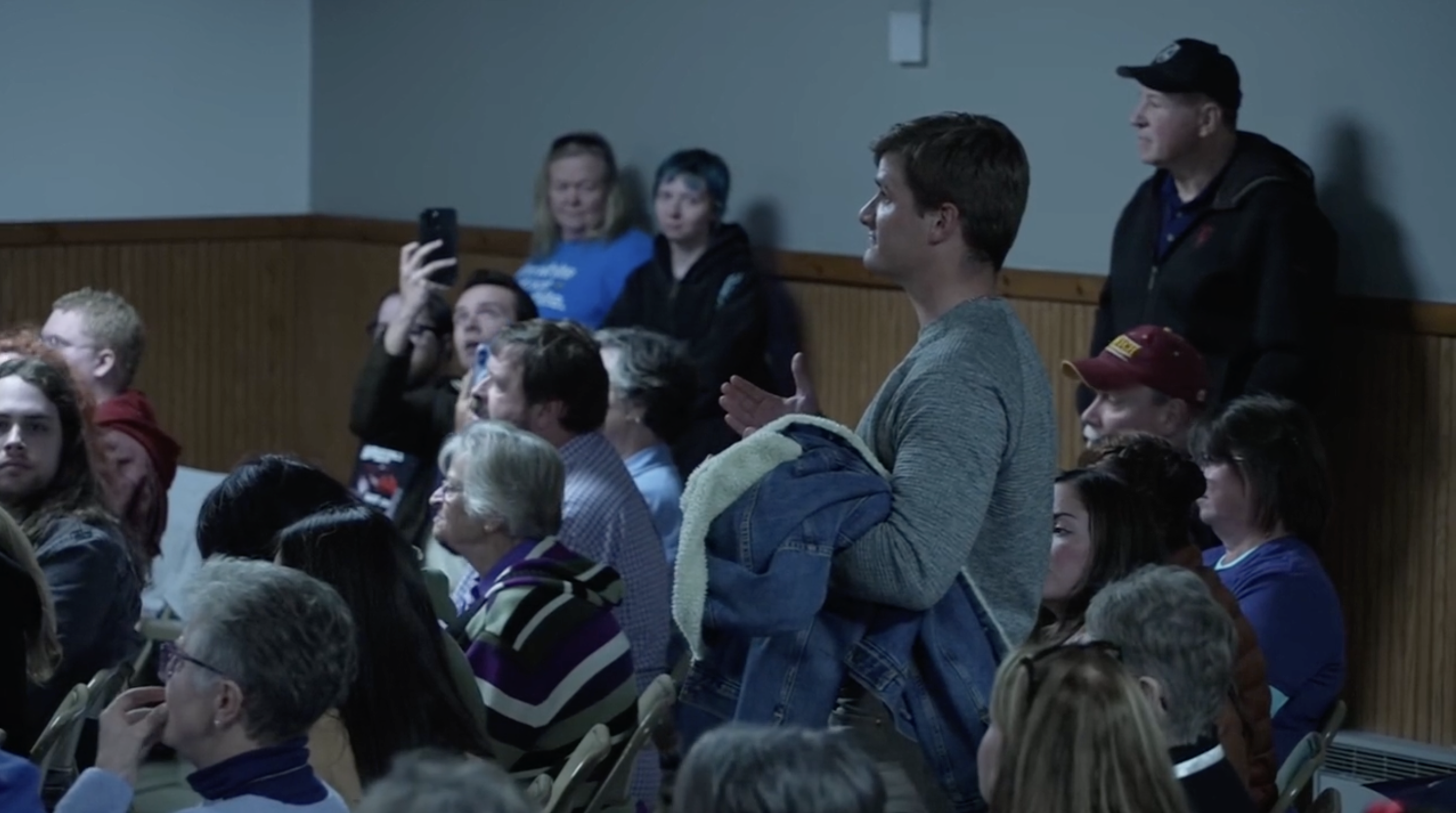
Watched it the first time for the highly satisfying “Yeah! Go get him!!” reaction. But I’ll be bookmarking this to study exactly how El-Sayed handled it: his word choices and rhetorical structure, which parts he did and did not choose to engage with, how he did and did not let his interlocutor respond, what he left said and unsaid, how he held control of the framing of the whole conversation. This is a master class.
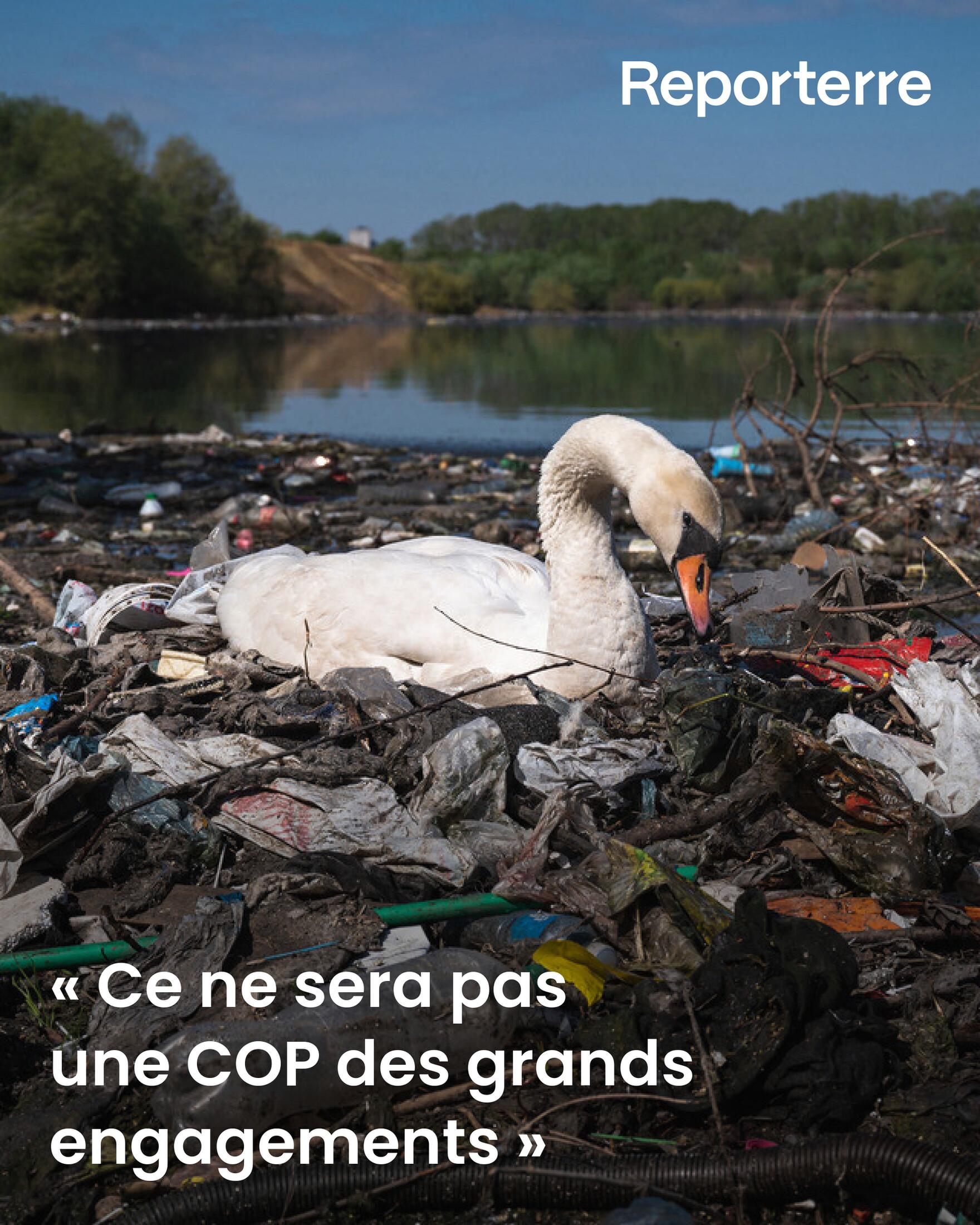
Vous reprendrez bien une COP ?
La Conférence des parties n°17 sur la biodiversité s'ouvre ce 19 octobre en Arménie. Objectif : freiner l’effondrement du vivant. Un objectif ambitieux, qui accumule déjà des retards.
Nombre d’observateurs se montrent d'ailleurs moyennement optimistes quant à l’issue des discussions.
On revient sur les enjeux de cet événement et ce qu'on peut très concrètement en espérer ➡️ https://l.reporterre.net/Lx6
RE: https://bog.fan/@TheHag/117462434567972377
Perspective on what my heart is dealing with today.
This year so far, I have had just under one hundred bats pass through my door for care. Of those, I’ve been able to rehabilitate and release 76%. I need you to know that this is a staggeringly high success rate since I deal almost exclusively with the most critical/intensive cases. The work is gruelling and traumatising at times. It is highly regulated and completely unpaid. I am also deeply uncomfortable with acknowledging my achievements, please understand that I’m saying this just for context and not praise.
So… I’ve saved ~75 this year.
And in a single completely avoidable instance, a beloved institution that prides itself on wildlife and conservancy has sentenced many hundreds to death.
And the agencies who have the authority, staffing, and legal framework to do so COULD have stepped in and forced them to allow a rescue but CHOSE not to. Instead they chose again and again to misquote statutes while wringing their hands and saying they wish they could do something but [incorrect assertion about the regulation x wildly unscientific claim].
How a Josh Hawley staffer and Christian Nationalist ended up heckling El-Sayed at a University of Michigan townhall event
What brought the younger Teepell to the small town of Caro and his viral moment with El-Sayed? An October 2nd story in the University of Michigan student newspaper, The Michigan Daily, revealed that a conservative PAC called America Next offered College Republicans $200 to travel to an upcoming El-Sayed town hall in Flint to “boo” him and ask him inflammatory questions—hoping to spark embarrassing viral moments for the candidate.
“If you don’t know, I asked Abdul a tough question during his last town hall meeting, and it generated a VERY negative news cycle for him,” one member wrote in a Michigan College Republicans GroupMe chat, according to the Daily. “We are going to coordinate questions to ask him and spread out to increase the chances we’re called on. We’re gonna boo him. We’re gonna show everyone that ABDUL IS NOT WELCOME IN THE SENATE.”
NOT the planck length. we do NOT believe in the planck length in this house
The Planck length is the distance between two electrons at which they will collapse into a microscopic black hole.
Sunday night re-up for this guide to using AI notetakers in meetings and professional contexts. Lots of people don't get to choose the tools they use at work, so best practice guidelines are really important - and become especially so if they can influence procurement or adoption decisions.
RE: https://bsky.app/profile/did:plc:dvvvi2lfda3eq46zikkozitb/post/3mxxyeirdbk2k
 Posted in
The Verge on Artificial Intelligence
Posted in
The Verge on Artificial Intelligence
A woman was arrested in Philly for blocking a delivery robot
https://www.theverge.com/ai-artificial-intelligence/1013541/a-woman-was-arrested-in-philly-for-blocking-a-delivery-robot?utm_source=flipboard&utm_medium=activitypub
Posted into The Verge on Artificial Intelligence @the-verge-on-artificial-intelligence-theverge

Install bonfire.cafe
Get the full app experience