Discussion
Loading...

#Tag

Log in
  • About
  • Code of conduct
  • Privacy
  • Users
  • Instances
  • About Bonfire
Camellia Tea Ceremony
@camelliakyoto@mastodon.social  ·  activity timestamp 3 months ago

Originating in Kyōto, 'kuzukiri' (くずきり) is a dish of noodles made from starch-rich kuzu root. Enjoyed in the hot summer months, kuzukiri is typically served cold with a brown-sugar syrup.
Kuzu has long been considered to have medicinal properties, helping with circulation.

Your browser does not support the video tag.
This video cannot be previewed
Open original
Kuzukiri noodles.
Camellia Tea Ceremony
@camelliakyoto@mastodon.social replied  ·  activity timestamp 3 months ago

Kuzu (葛) is a popular ingredient for makers of traditional Japanese sweets, especially in the hotter months.

the arrowroot vine
holds on tight...
a post
葛蔓の手にしてまとふ柱かな
-Kobayashi Issa (小林一茶), 1819.
Trans. David G. Lanoue.

#wagashi #和菓子 #haiku #Japan #葛

4 media
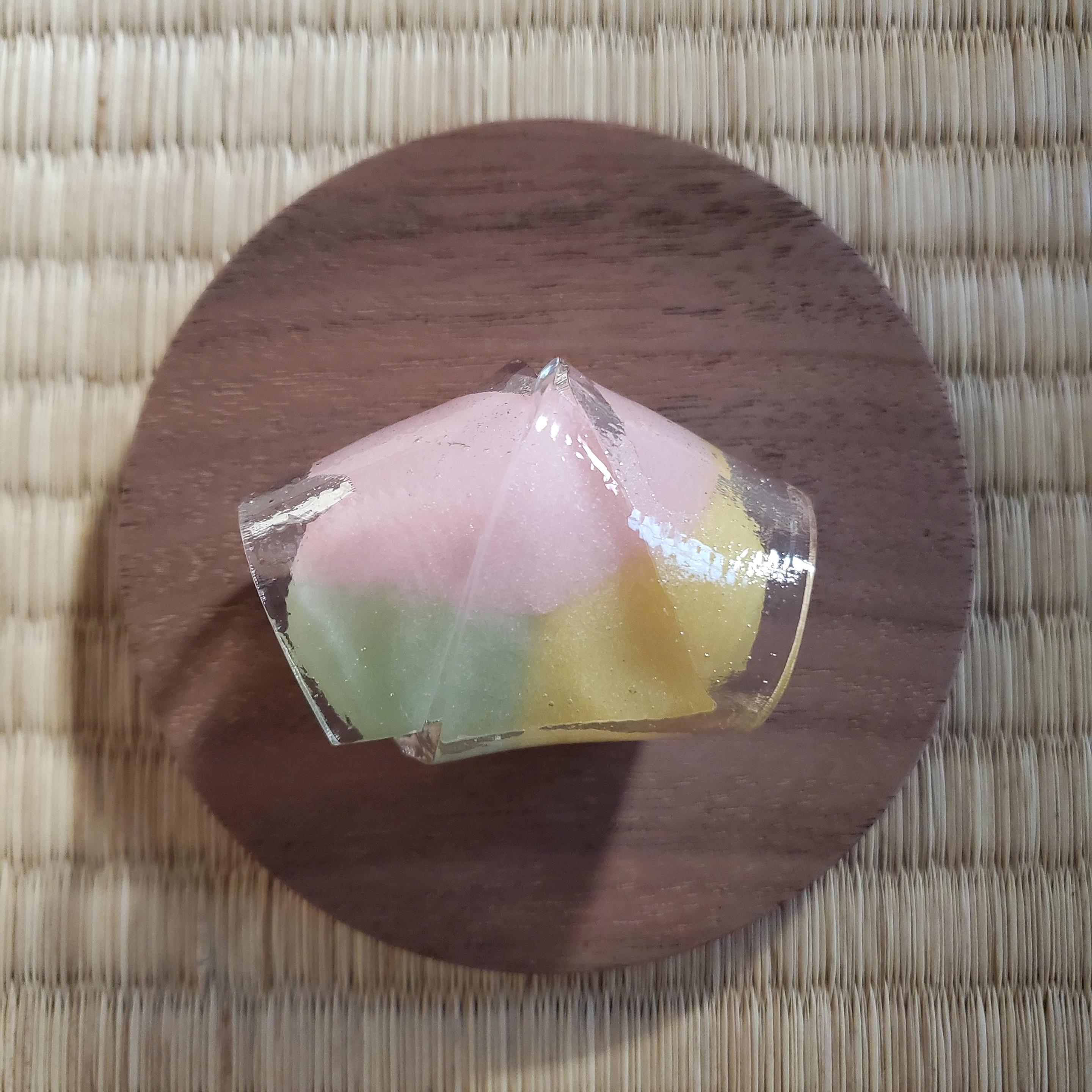
Kagizen's (鍵善) 'Gion-bayashi' (祇園囃子) is named after the unique music of the Gion Festival. The three colours of bean paste represent the instruments used to play Gion-bayashi: a drum (太鼓), flute (笛) and gong (鉦).
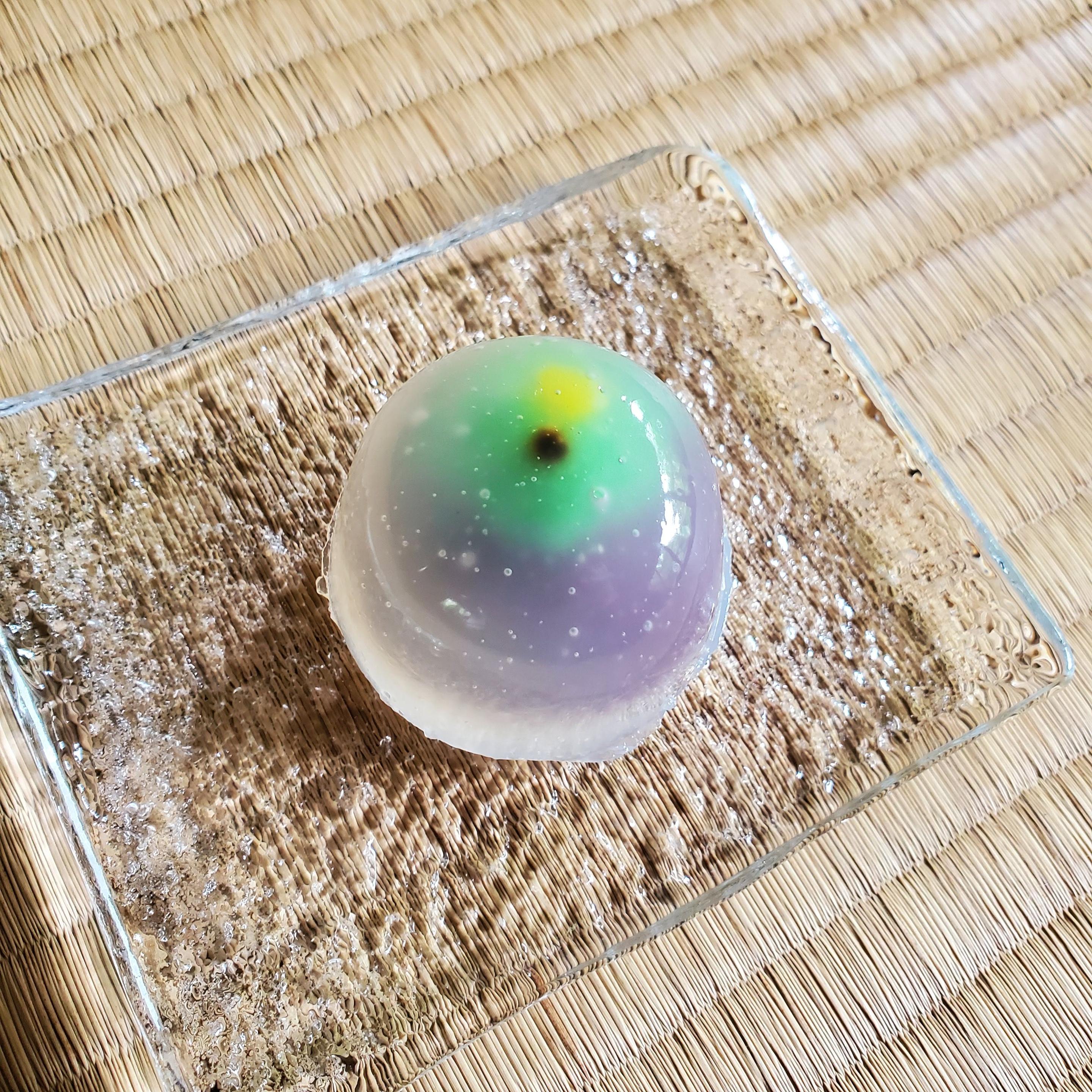
Kagijin's (かぎ甚) 'sawabe-no-hotaru' (沢辺の蛍) depicts a firefly flitting over a riverbank. The insect is cleverly made up of a single 'daitokuji nattō' (大徳寺納豆)🫘
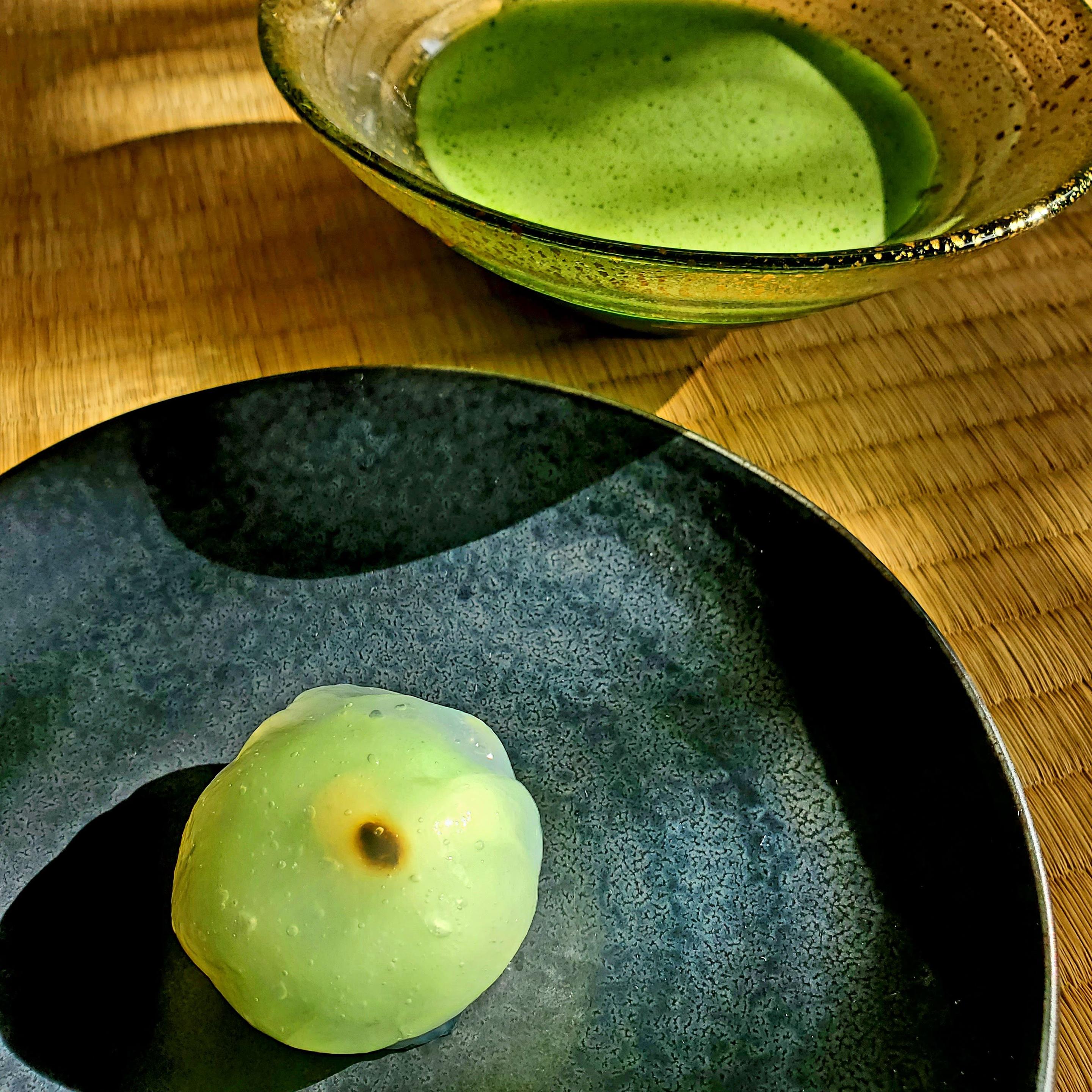
Kameya Shigehisa's (亀屋重久) 'sawabe-no-hotaru' (沢辺の蛍) uses vivid colours to depict a firefly brilliantly illuminated at dusk.
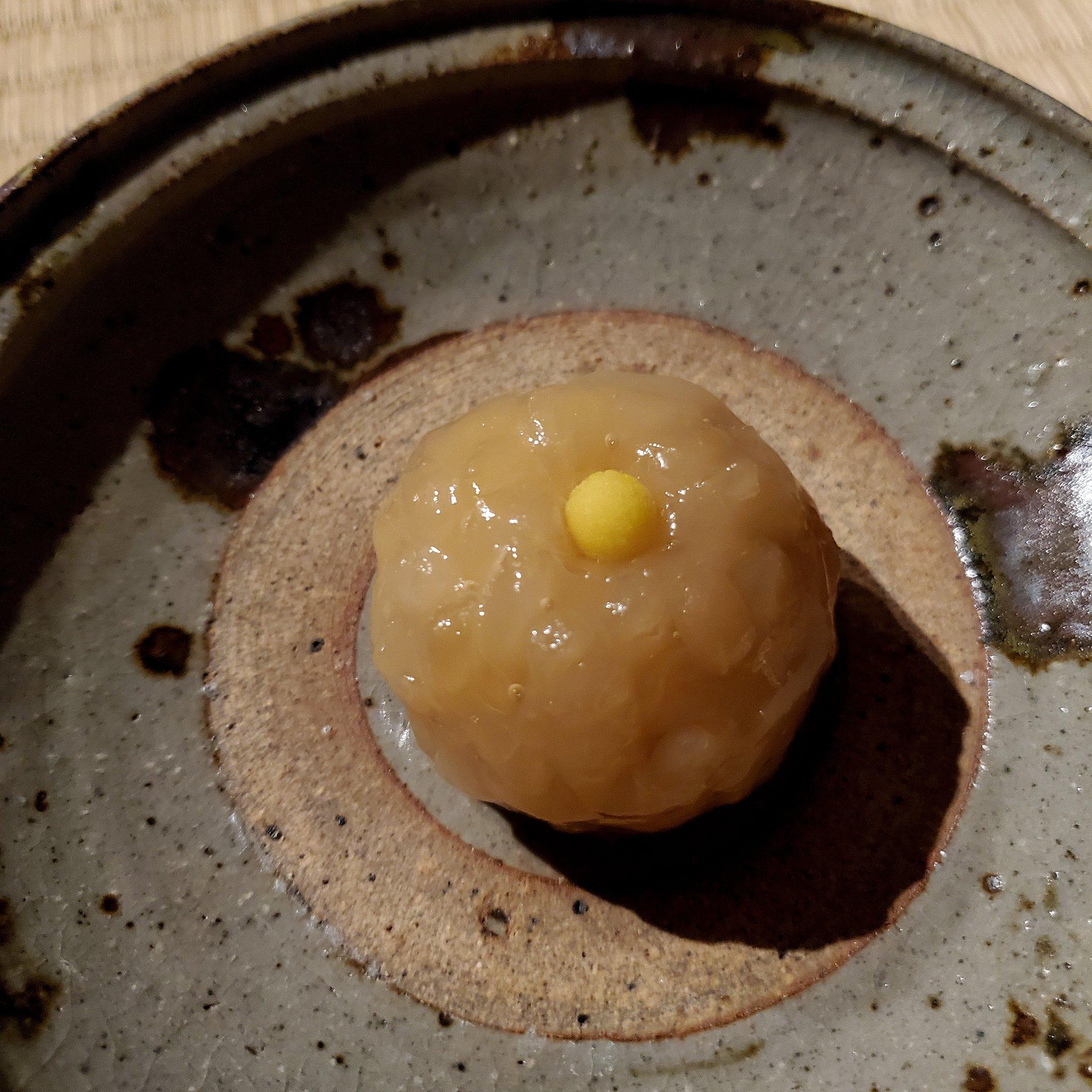
Shioyoshiken's (塩芳軒) chrysanthemum inspired 'manjū kiku' (万寿菊).
  • Copy link
  • Flag this comment
  • Block
Camellia Tea Ceremony
@camelliakyoto@mastodon.social  ·  activity timestamp 3 months ago

3) KUZU

Kudzu (葛) is a type of vine that has been used for centuries in arrowroot cake, gruel, and to make noodles. Believed to aid with stomach problems, the dried stems are also used to make fabric and baskets.
It symbolises strength of spirit, healing, vitality, and patience.

4 media
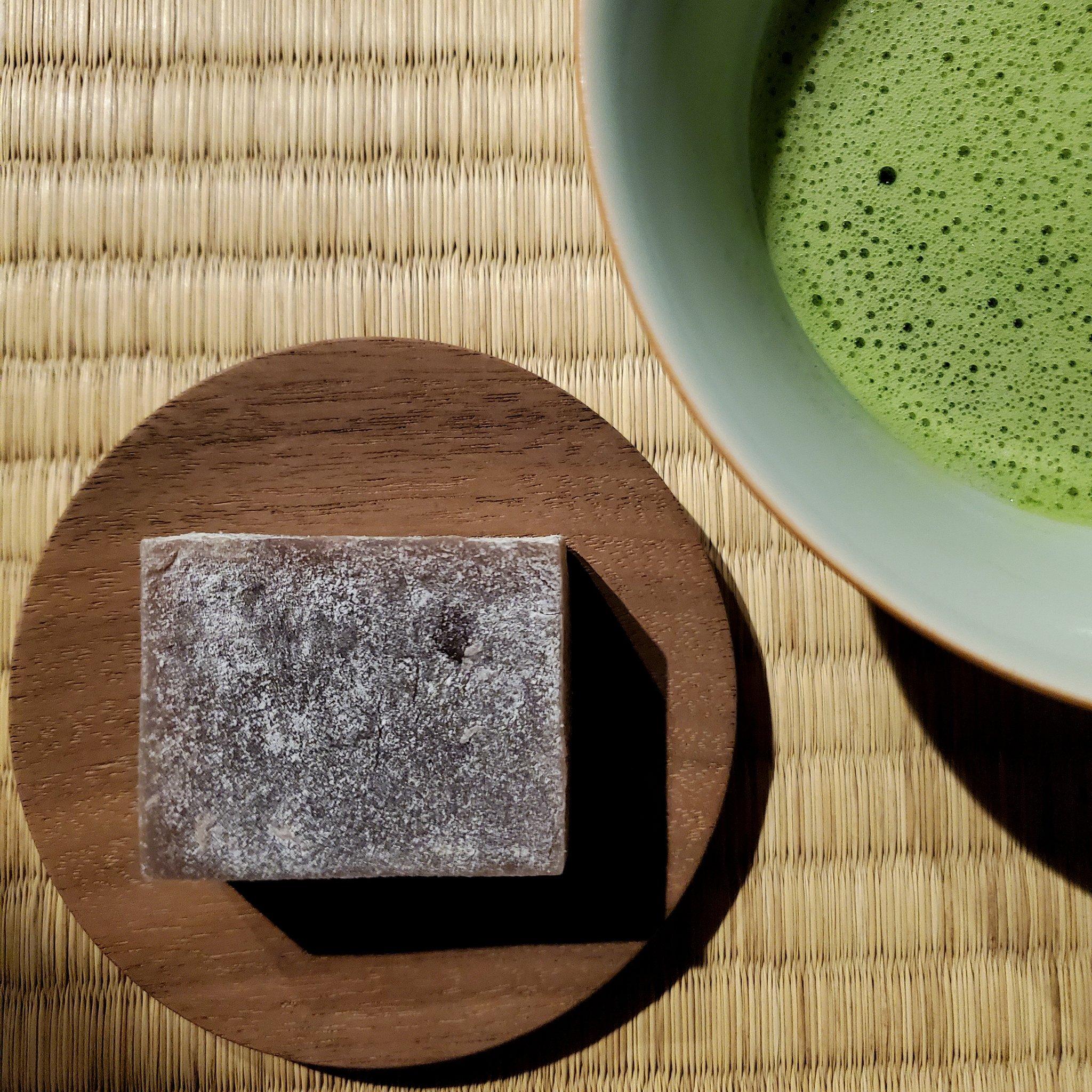
Kuzuyaki - Sugar, kuzu powder and bean paste are kneaded into a dough, cut into squares, and steamed. The sweets are finished by grilling each side and sprinkling with flour.
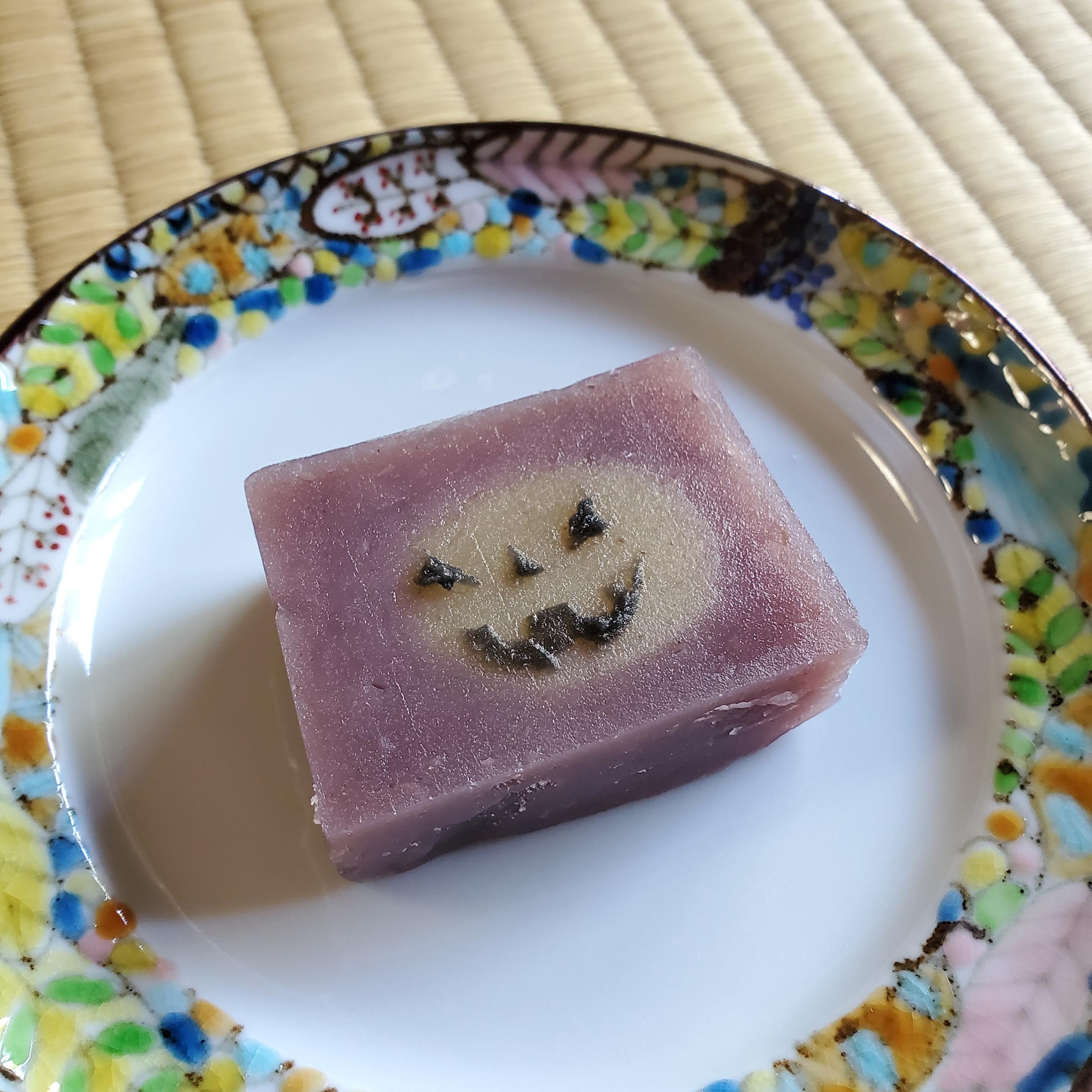
Halloween themed sweet potato flavoured kuzuyaki.
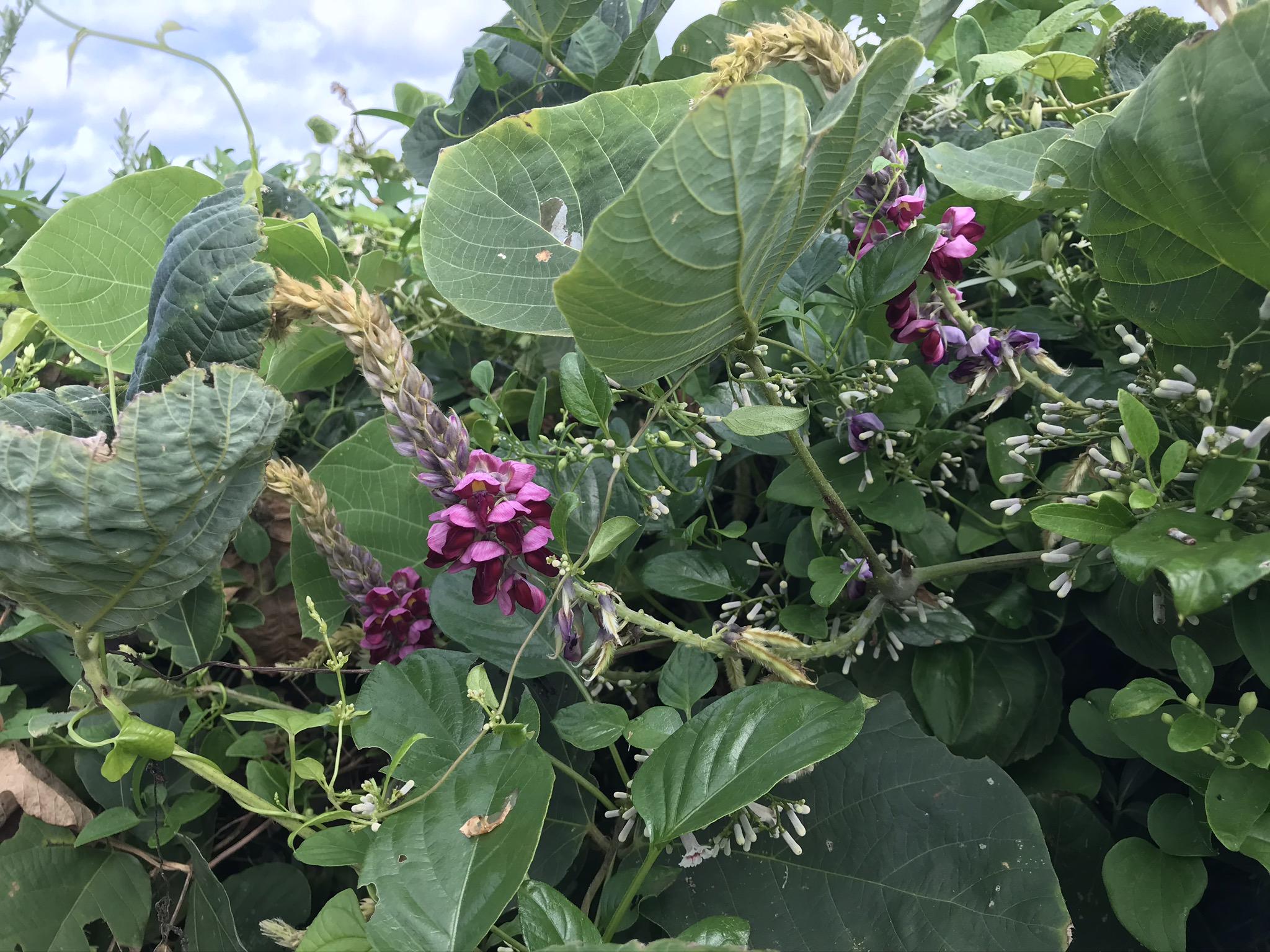
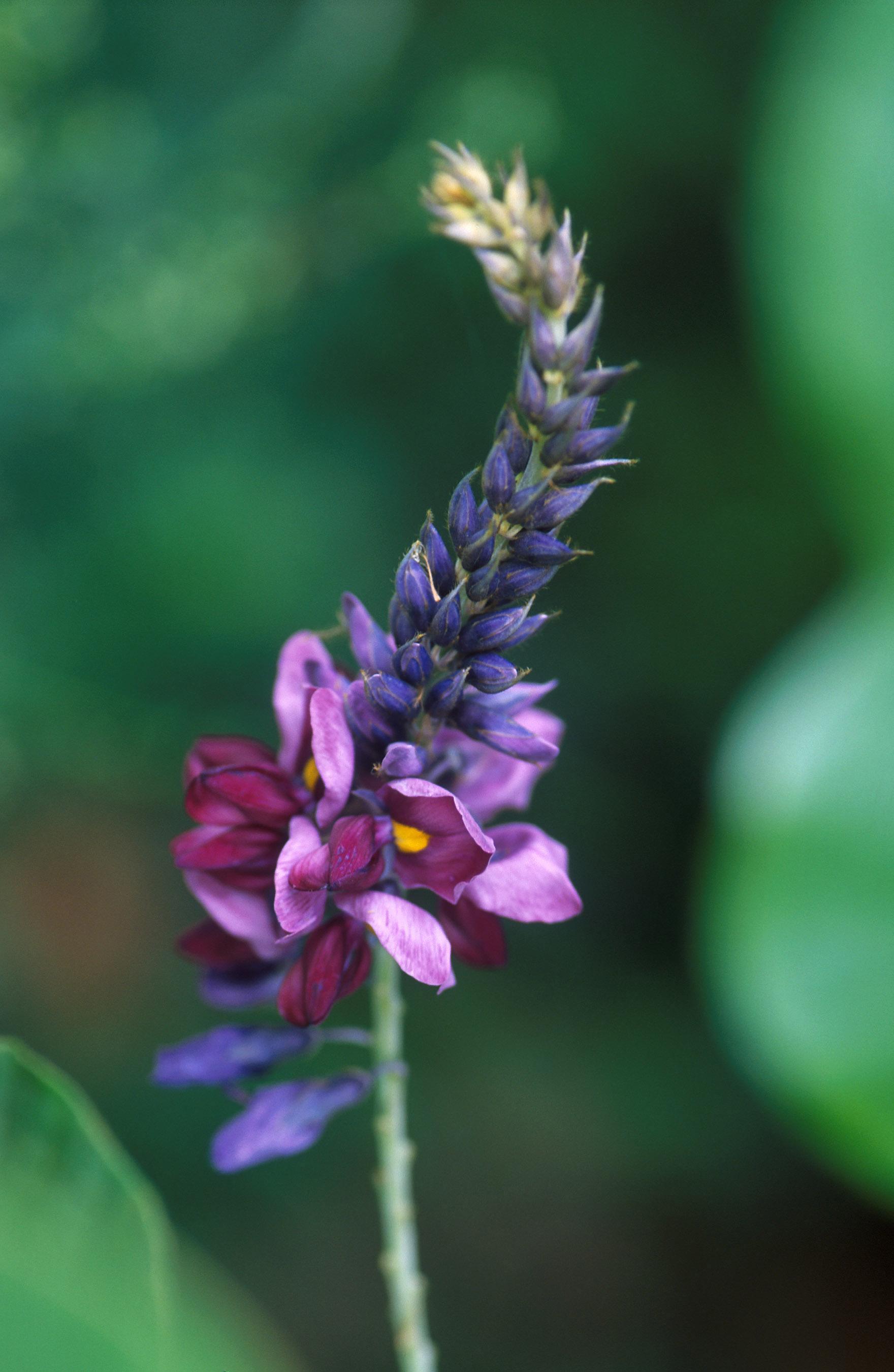
Flowering kuzu.
Flowering kuzu.
Flowering kuzu.
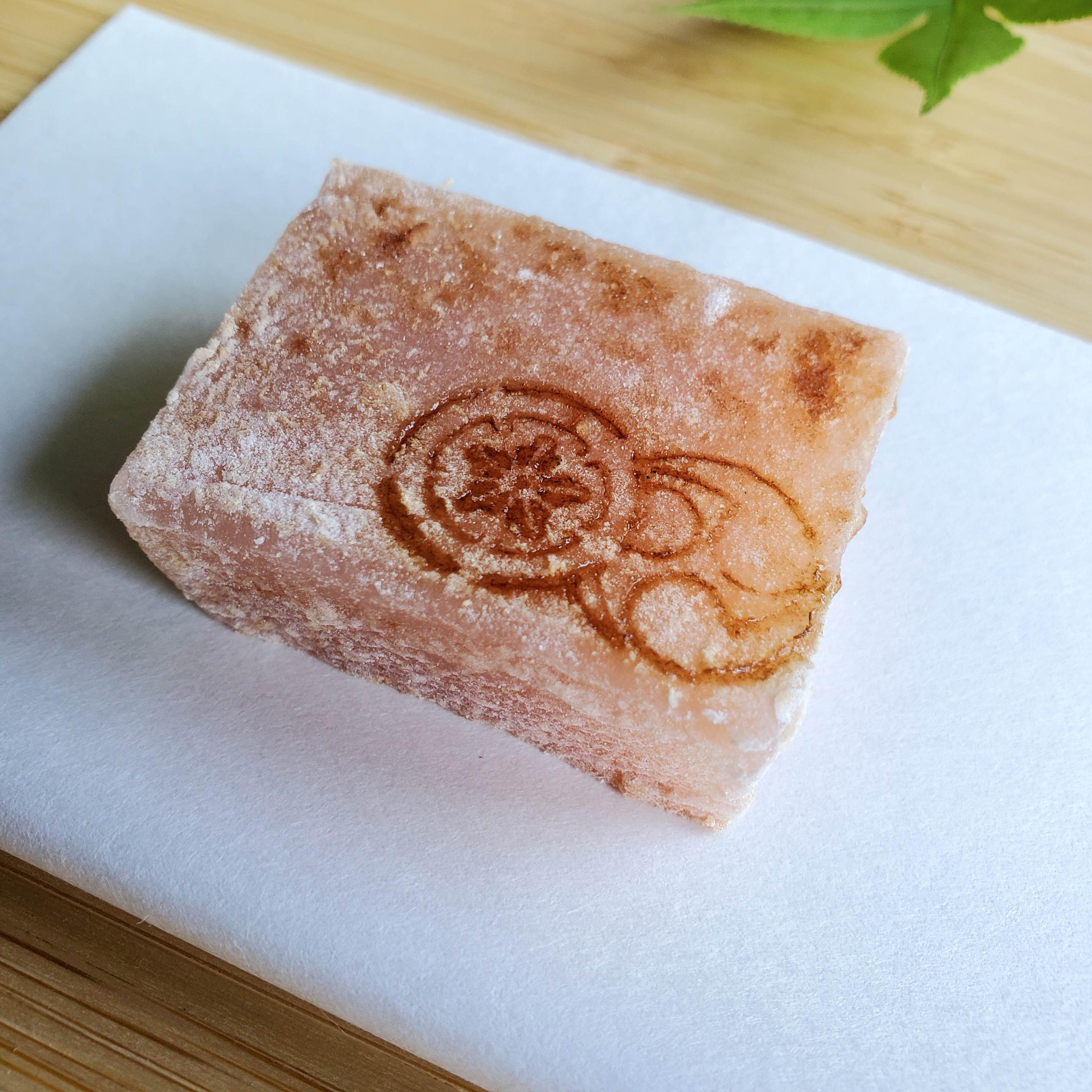
Kuzuyaki branded with the crests of the Gion Matsuri (festival).
Camellia Tea Ceremony
@camelliakyoto@mastodon.social replied  ·  activity timestamp 3 months ago

Like bracken starch, kuzu was first farmed in what is now Nara prefecture (it takes its name from a county called 'Kuzu' 国栖).

In the Momoyama period kuzu became a popular ingredient in the foods and sweets prepared for tea ceremony, and as a result its popularity spread.
#葛 #kuzu

4 media
Kuzu flower.
Kuzu flower.
Kuzu flower.
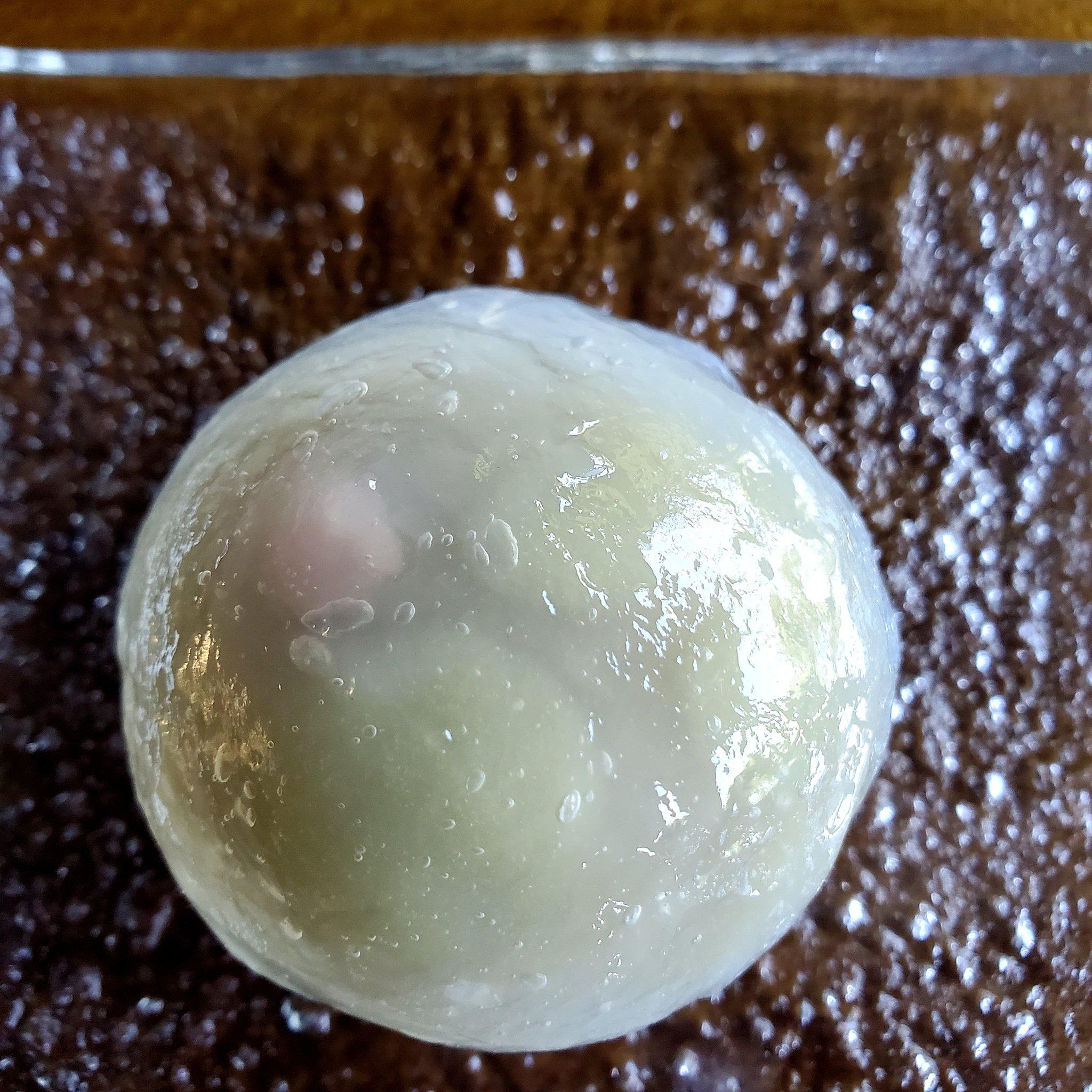
A layer of kuzu jelly wrapped about a bean paste interior. This sweet was inspired by Monet's 'Water Lilies' series.
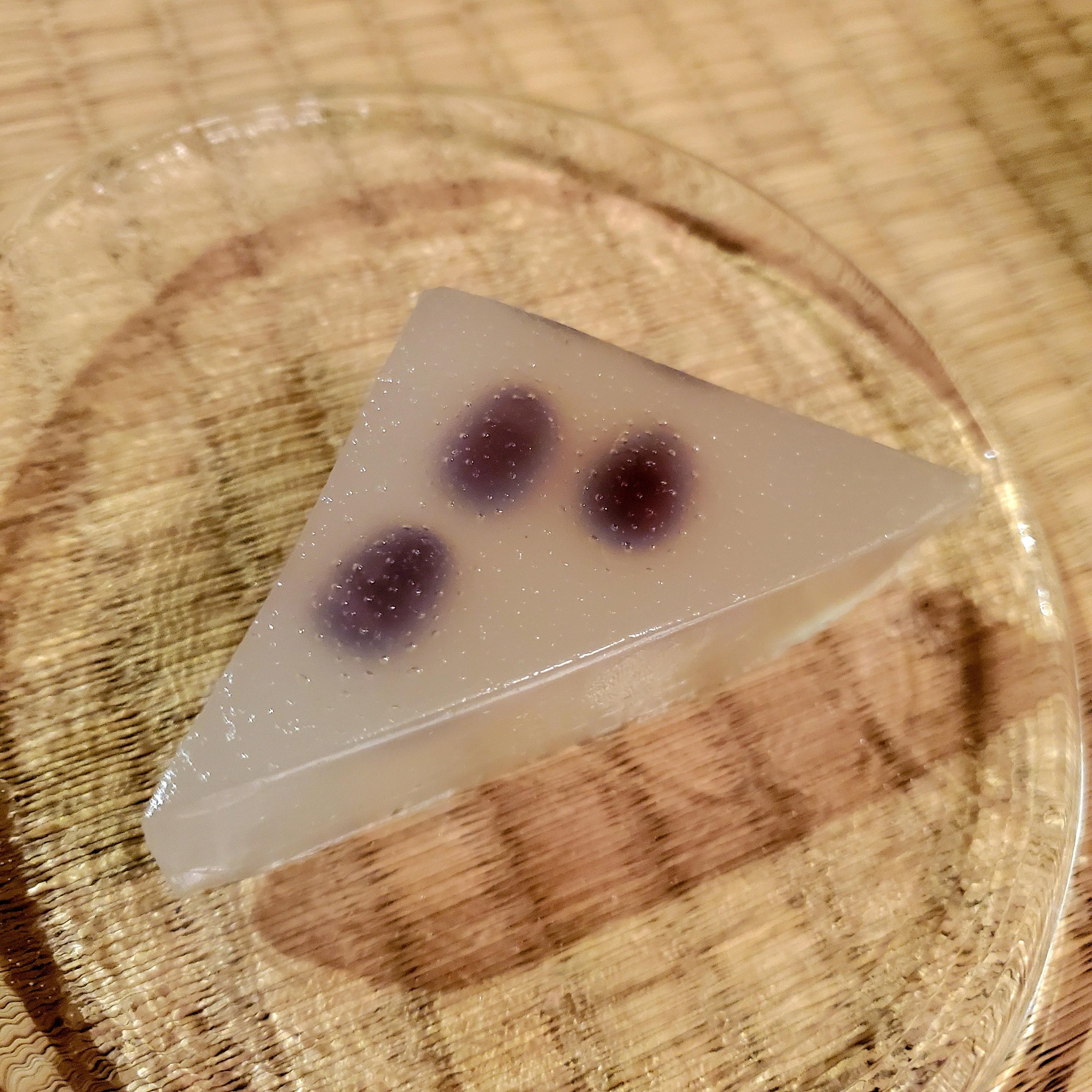
A twist on the typical minatsuki sweet. Kuzu jelly is cut into a triangular shape to mimic ice...floating in the jelly are red beans.
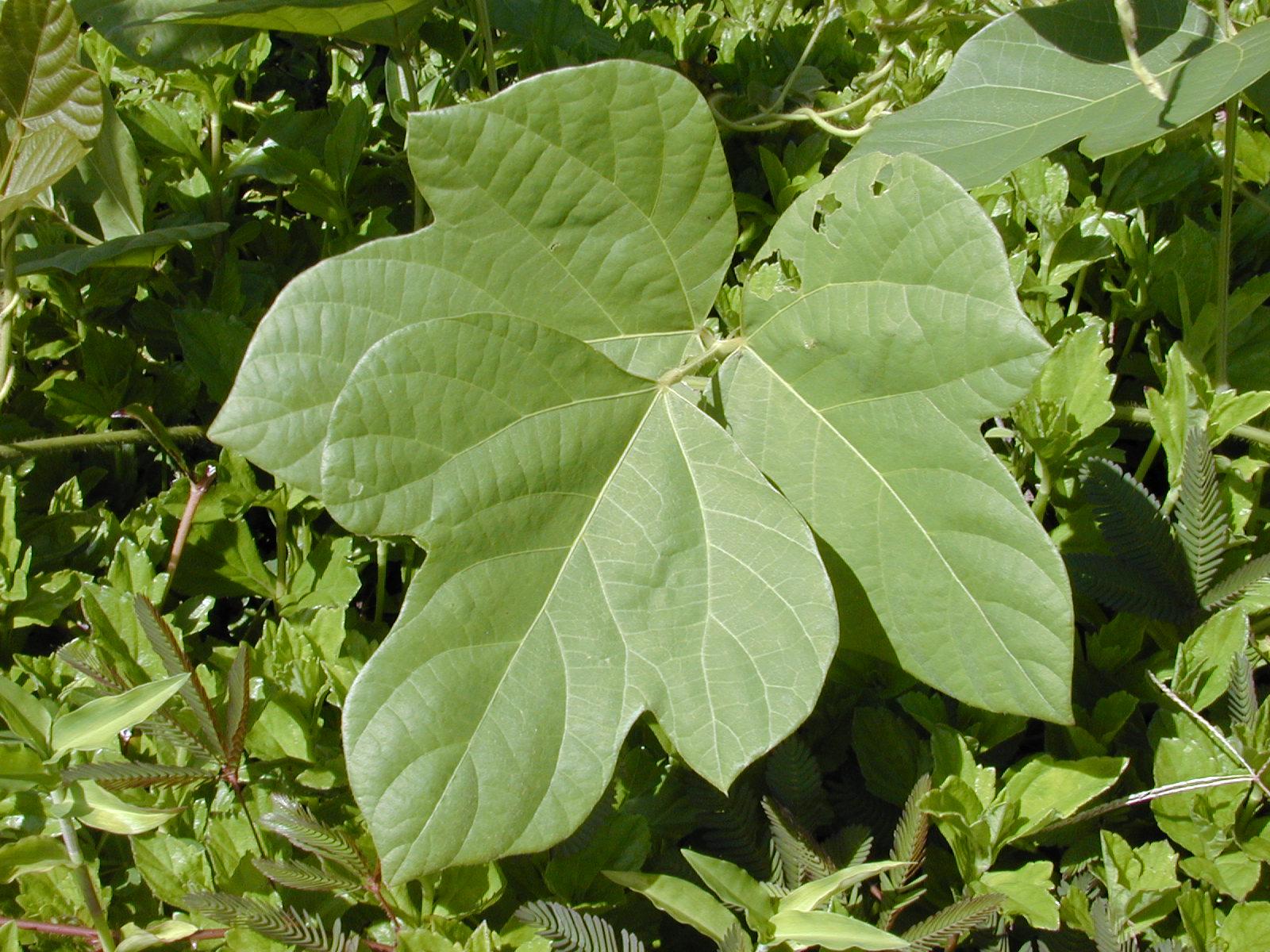
Kuzu leaves.
Kuzu leaves.
Kuzu leaves.
  • Copy link
  • Flag this comment
  • Block

bonfire.cafe

A space for Bonfire maintainers and contributors to communicate

bonfire.cafe: About · Code of conduct · Privacy · Users · Instances
Bonfire social · 1.0.1 no JS en
Automatic federation enabled
Log in
  • Explore
  • About
  • Members
  • Code of Conduct