hypebot
and 1 other
boosted


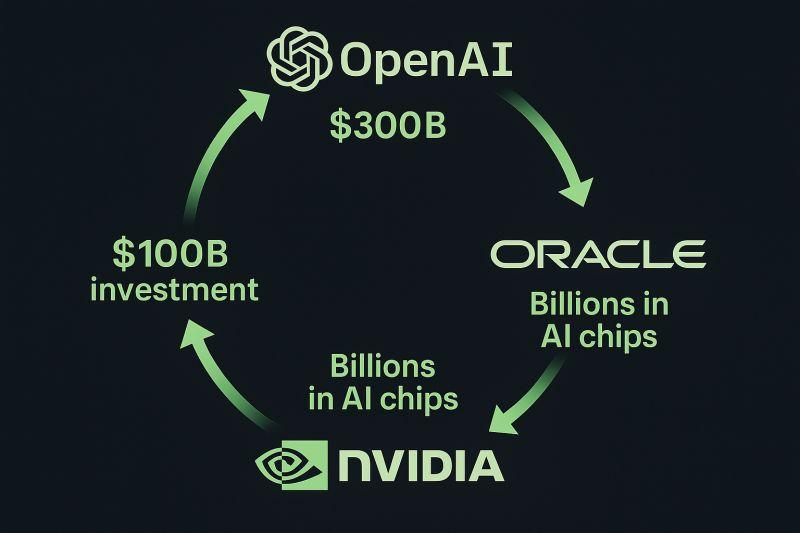

""With the exception of Nvidia, which is selling shovels in a gold rush, most generative AI companies are both wildly overvalued and wildly overhyped," Gary Marcus, Emeritus Professor of Psychology and Neural Science at New York University, told DW. "My guess is that it will all fall apart, possibly soon. The fundamentals, technical and economic, make no sense."
Garran, meanwhile, believes the era of rapid progress in large language models (LLMs) is drawing to a close, not because of technical limits, but because the economics no longer stack up.
"They [AI platforms] have already hit the wall," Garran said, adding that the cost of training new models is "skyrocketing, and the improvements aren’t much better."
Striking a more positive tone, Sarah Hoffman, director of AI Thought Leadership at the New York-based market intelligence firm AlphaSense, predicted a "market correction" in AI, rather than a "cataclysmic 'bubble bursting.'"
After an extended period of extraordinary hype, enterprise investment in AI will become far more discerning, Hoffmann told DW in an emailed statement, with the focus "shifting from big promises to clear proof of impact."
"More companies will begin formally tracking AI ROI [return on investment] to ensure projects deliver measurable returns," she added."
https://www.dw.com/en/will-the-ai-bubble-burst-as-investors-grow-wary-of-returns/a-74636881
Martin Holland
boosted

[Michael] Burry, who became widely known after Michael Lewis profiled him in his book "The Big Short: Inside the Doomsday Machine" in 2010, bought options that will pay off if shares of #Nvidia and #Palantir drop, according to a securities filing on Monday. The bets involve more than $900 million of Palantir shares and more than $200 million of Nvidia shares at current prices.
[Michael] Burry, who became widely known after Michael Lewis profiled him in his book "The Big Short: Inside the Doomsday Machine" in 2010, bought options that will pay off if shares of #Nvidia and #Palantir drop, according to a securities filing on Monday. The bets involve more than $900 million of Palantir shares and more than $200 million of Nvidia shares at current prices.
Em :official_verified:
boosted
"To be clear, everybody is losing money on AI. Every single startup, every single hyperscaler, everybody who isn’t selling GPUs or servers with GPUs inside them is losing money on AI. No matter how many headlines or analyst emissions you consume, the reality is that big tech has sunk over half a trillion dollars into this bullshit for two or three years, and they are only losing money.
So, at what point does all of this become worth it?
Actually, let me reframe the question: how does any of this become worthwhile?Today, I’m going to try and answer the question, and have ultimately come to a brutal conclusion: due to the onerous costs of building data centers, buying GPUs and running AI services, big tech has to add $2 Trillion in AI revenue in the next four years. Honestly, I think they might need more.
No, really. Big tech has already spent $605 billion in capital expenditures since 2023, with a chunk of that dedicated to 5-year-old (A100) and 4-year-old (H100) GPUs, and the rest dedicated to buying Blackwell chips that The Information reports have gross margins of negative 100%:"
https://www.wheresyoured.at/big-tech-2tr/
#AI #GenerativeAI #OpenAI #Nvidia #AIBubble #Economy #Economics #BigTech

"To be clear, everybody is losing money on AI. Every single startup, every single hyperscaler, everybody who isn’t selling GPUs or servers with GPUs inside them is losing money on AI. No matter how many headlines or analyst emissions you consume, the reality is that big tech has sunk over half a trillion dollars into this bullshit for two or three years, and they are only losing money.
So, at what point does all of this become worth it?
Actually, let me reframe the question: how does any of this become worthwhile?Today, I’m going to try and answer the question, and have ultimately come to a brutal conclusion: due to the onerous costs of building data centers, buying GPUs and running AI services, big tech has to add $2 Trillion in AI revenue in the next four years. Honestly, I think they might need more.
No, really. Big tech has already spent $605 billion in capital expenditures since 2023, with a chunk of that dedicated to 5-year-old (A100) and 4-year-old (H100) GPUs, and the rest dedicated to buying Blackwell chips that The Information reports have gross margins of negative 100%:"
https://www.wheresyoured.at/big-tech-2tr/
#AI #GenerativeAI #OpenAI #Nvidia #AIBubble #Economy #Economics #BigTech