Each season I do four nights of moth lighting in my garden in suburban Ōtautahi-Christchurch, NZ. My summer moth lighting this year started on Saturday. I photograph every moth that settles at my light and today I've been uploading my photos to #iNaturalist.
I've been doing this consistently each autumn since 2015 and every season each year since (at least) 2021. You might think I would have found all the moth species that visit my garden, but no.
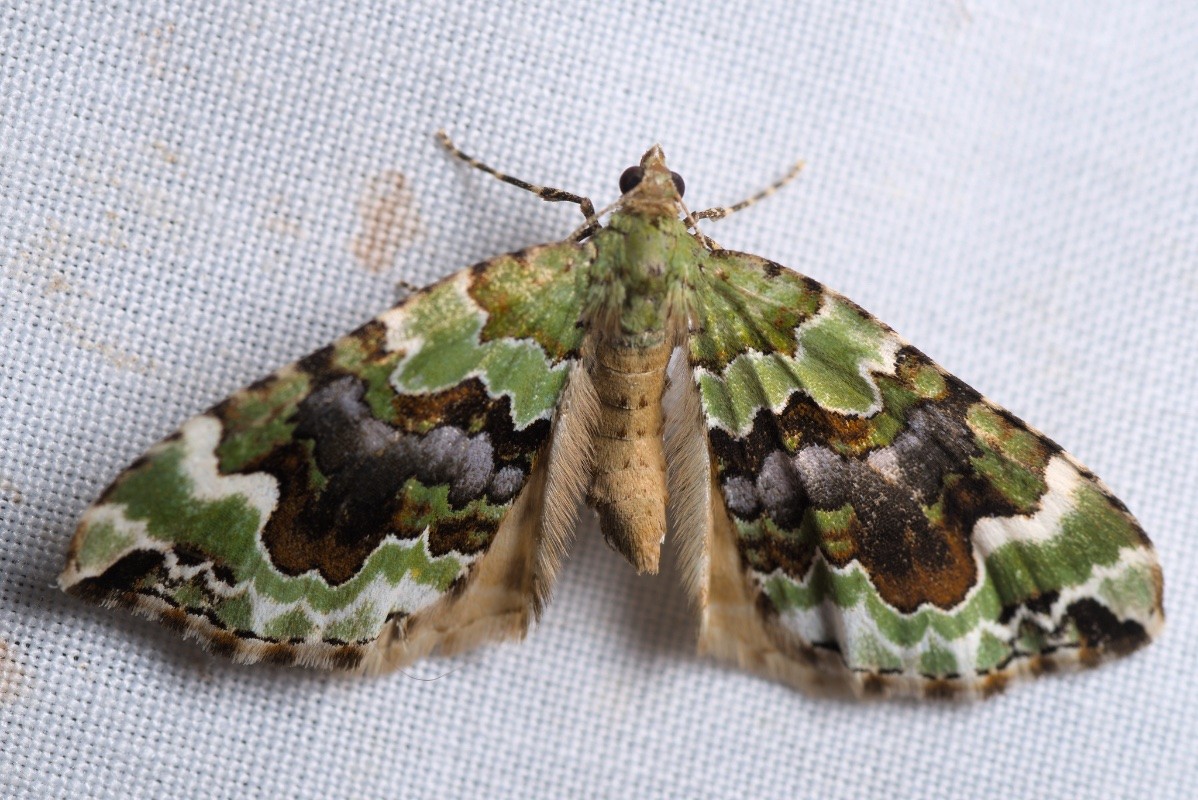
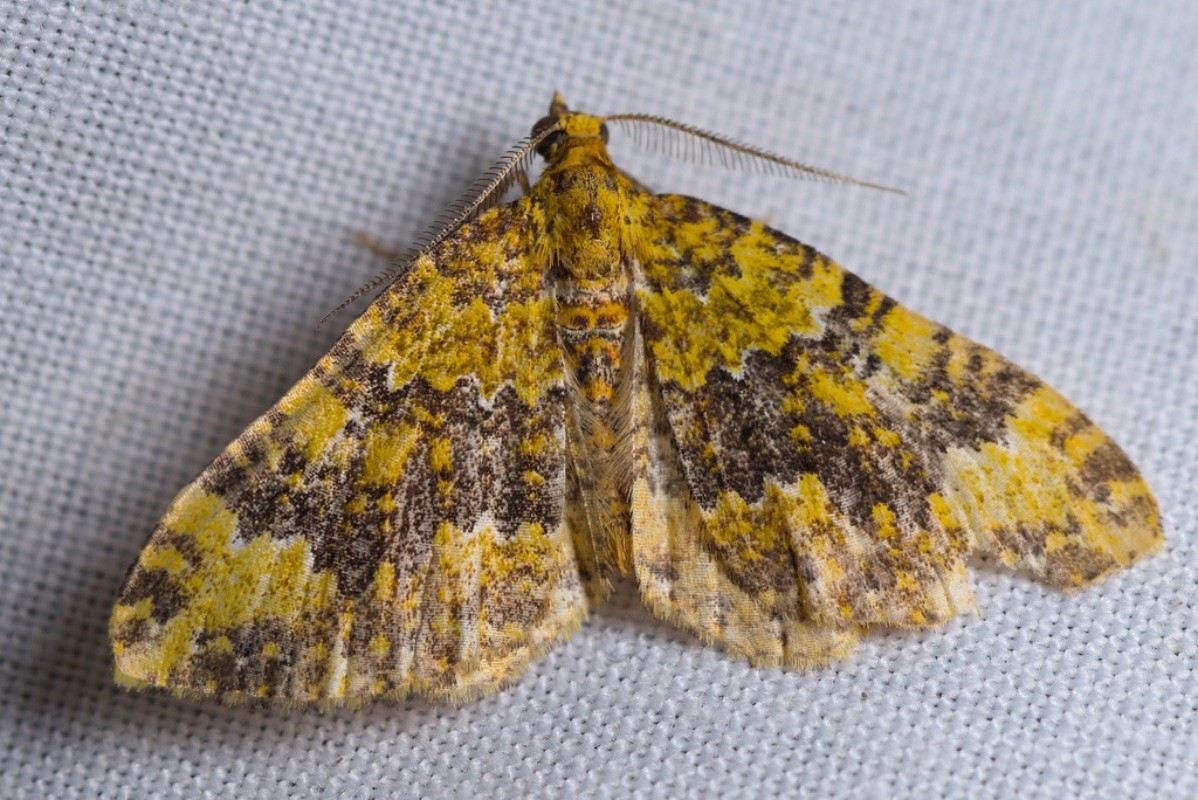
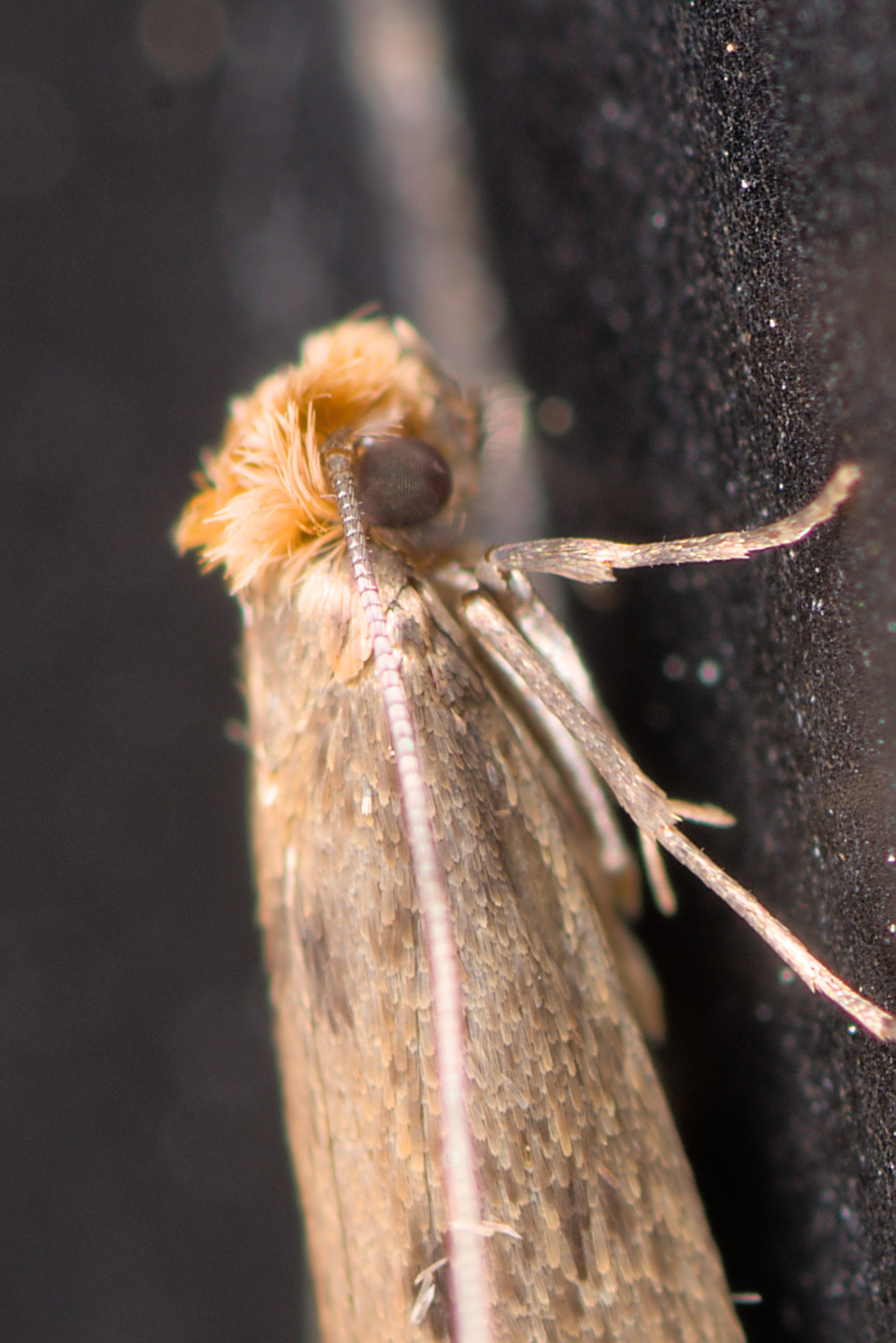
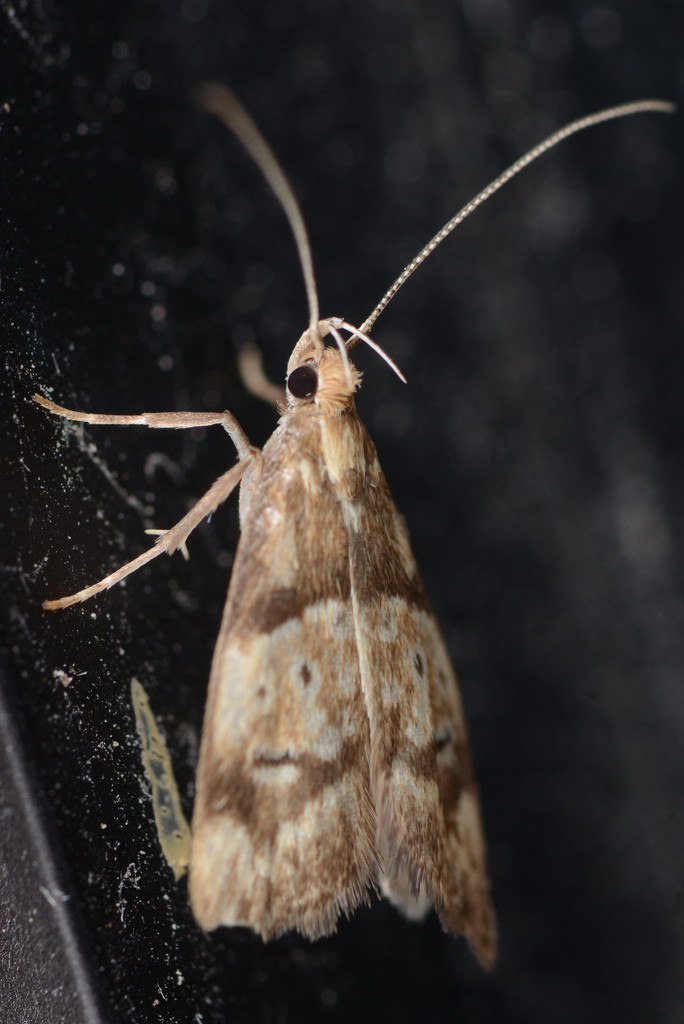
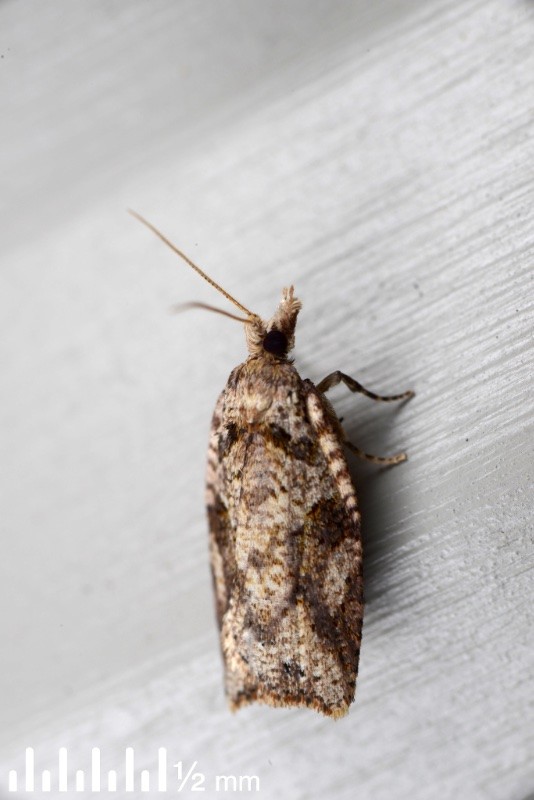
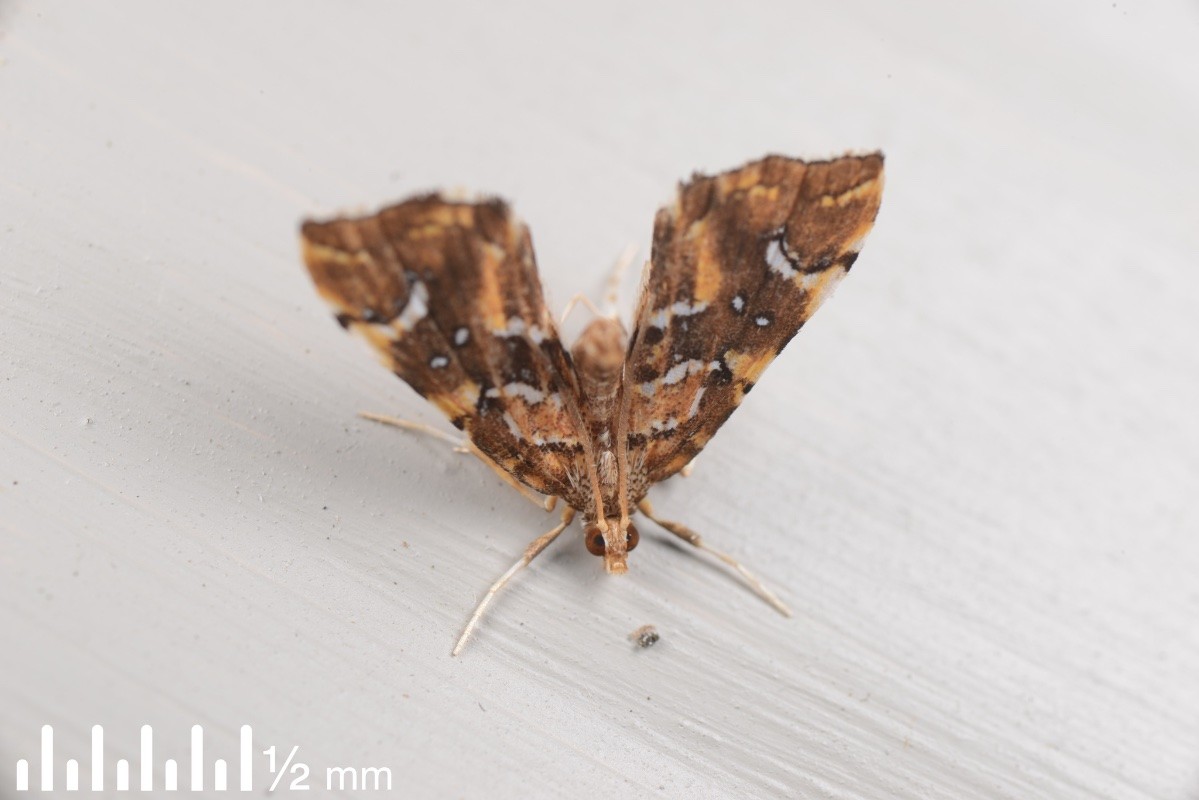
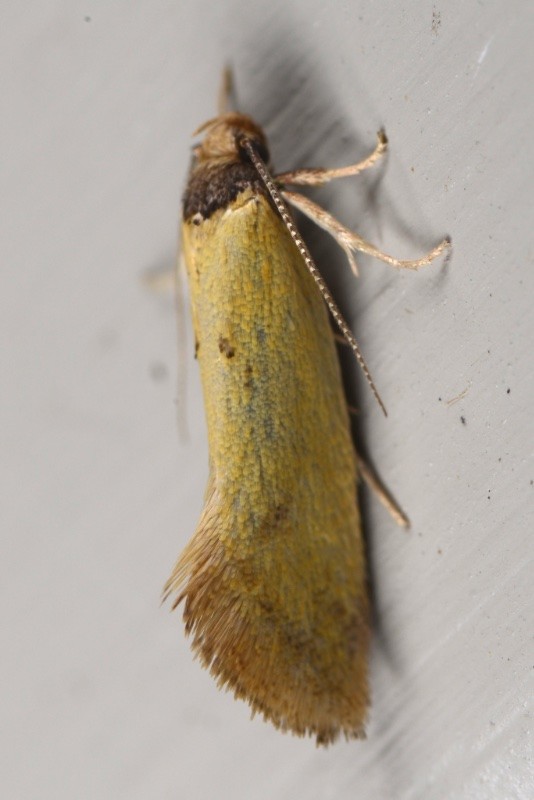
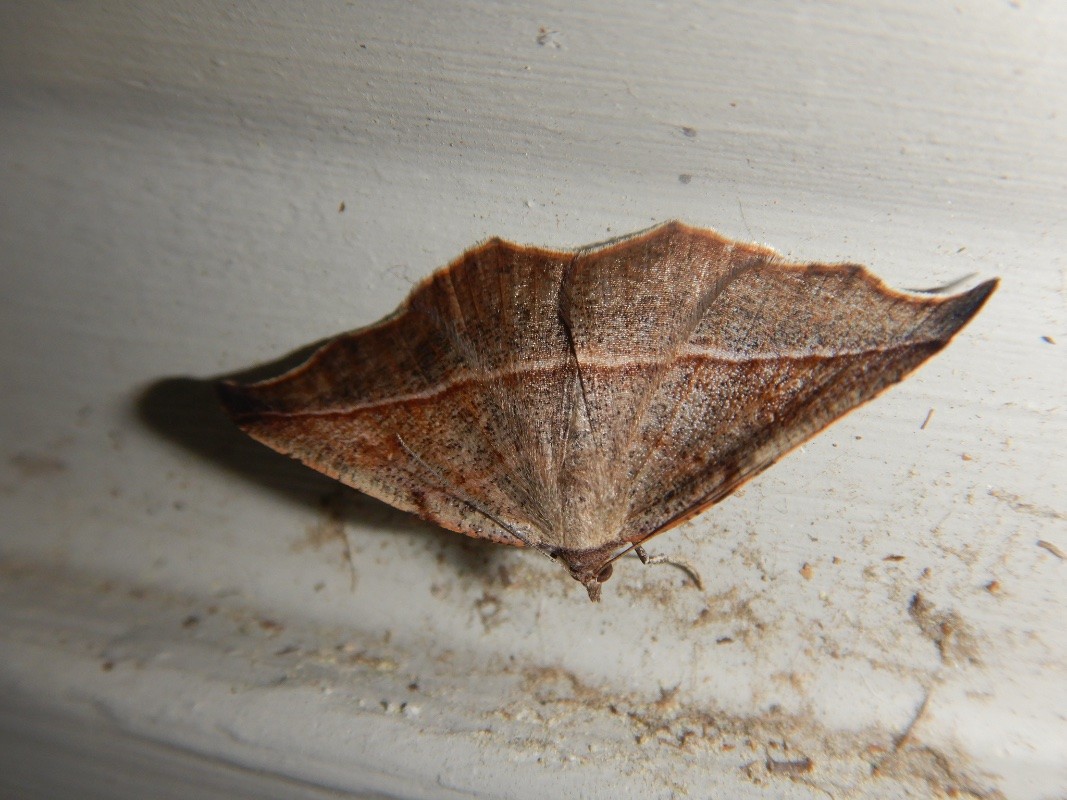
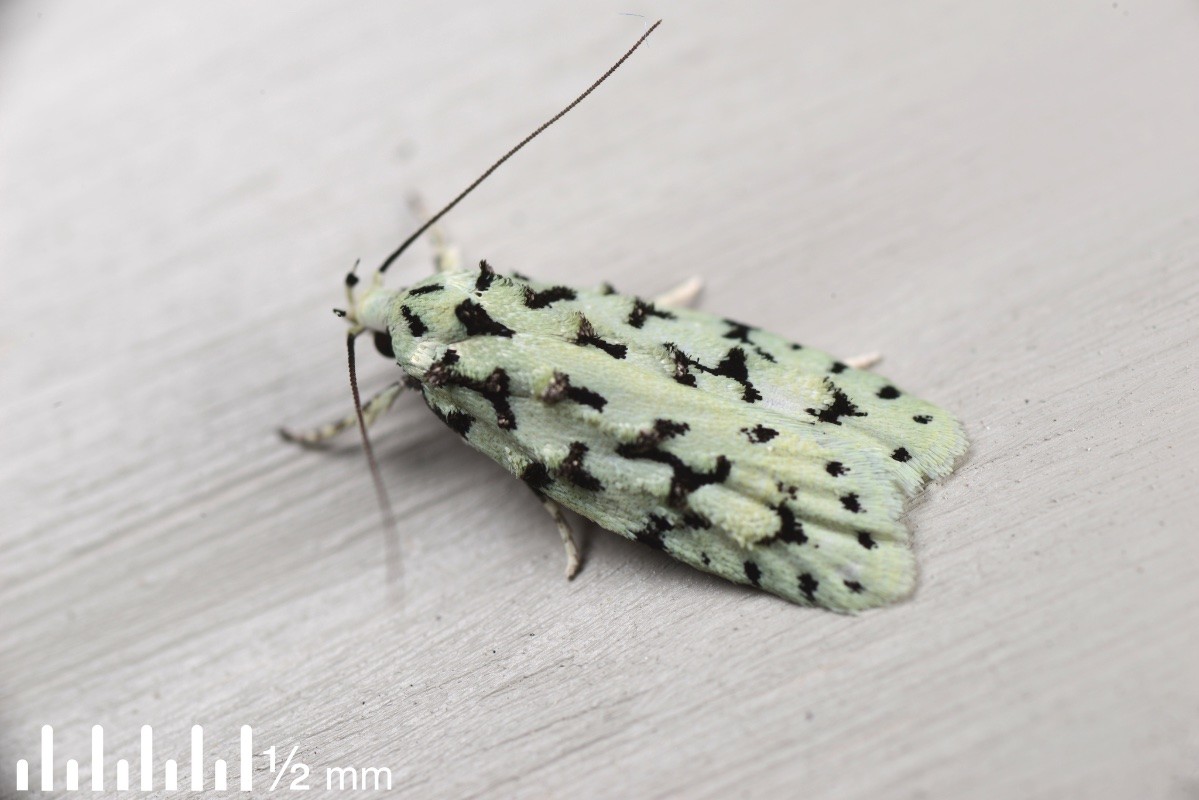
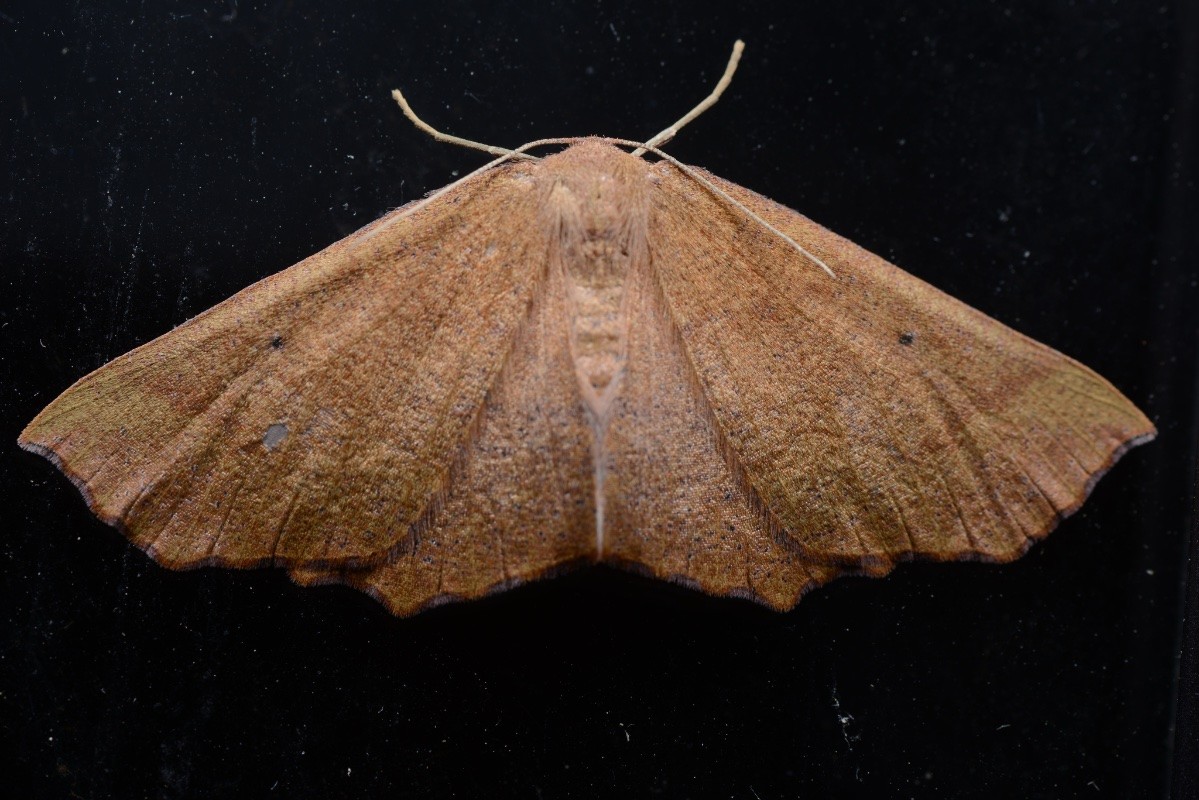
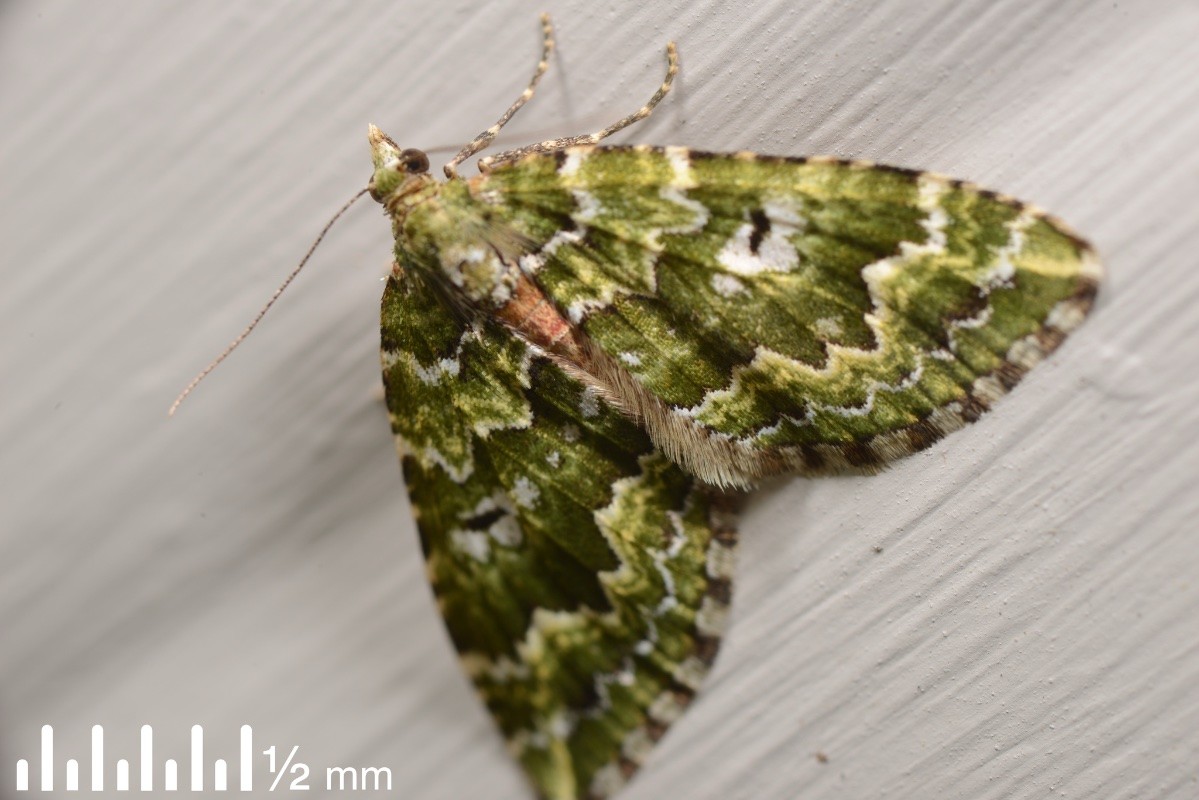
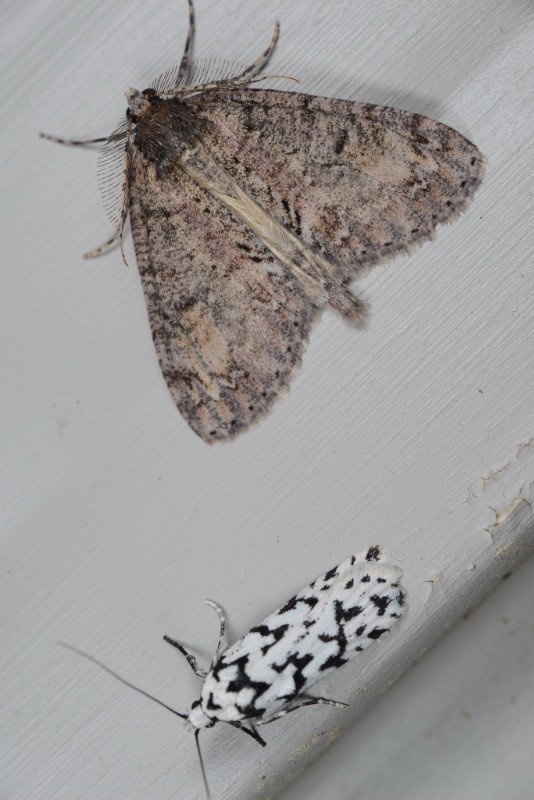
So far I've finished uploading Saturday's moth photos and have found six new species to our garden. Here are four of them.
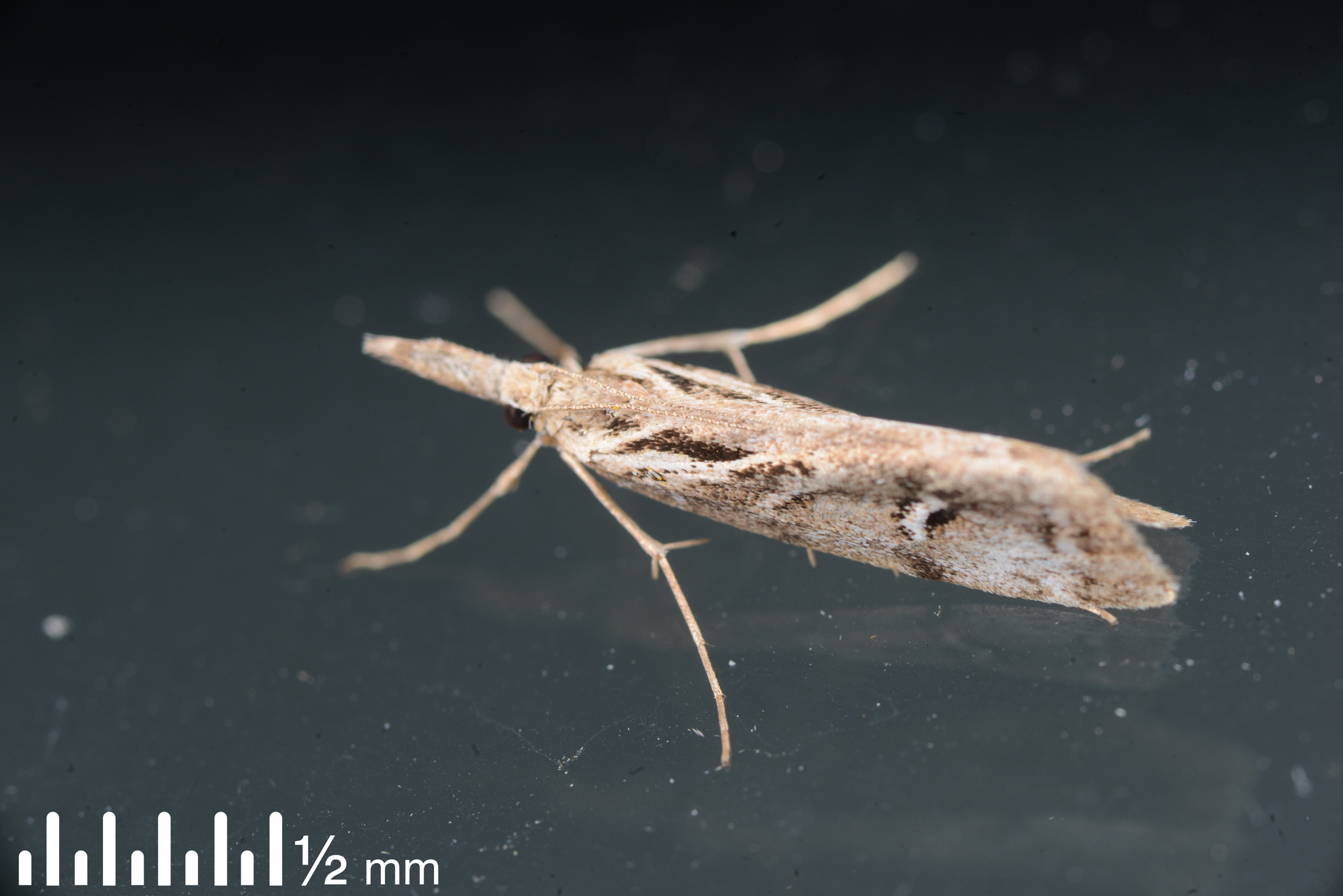
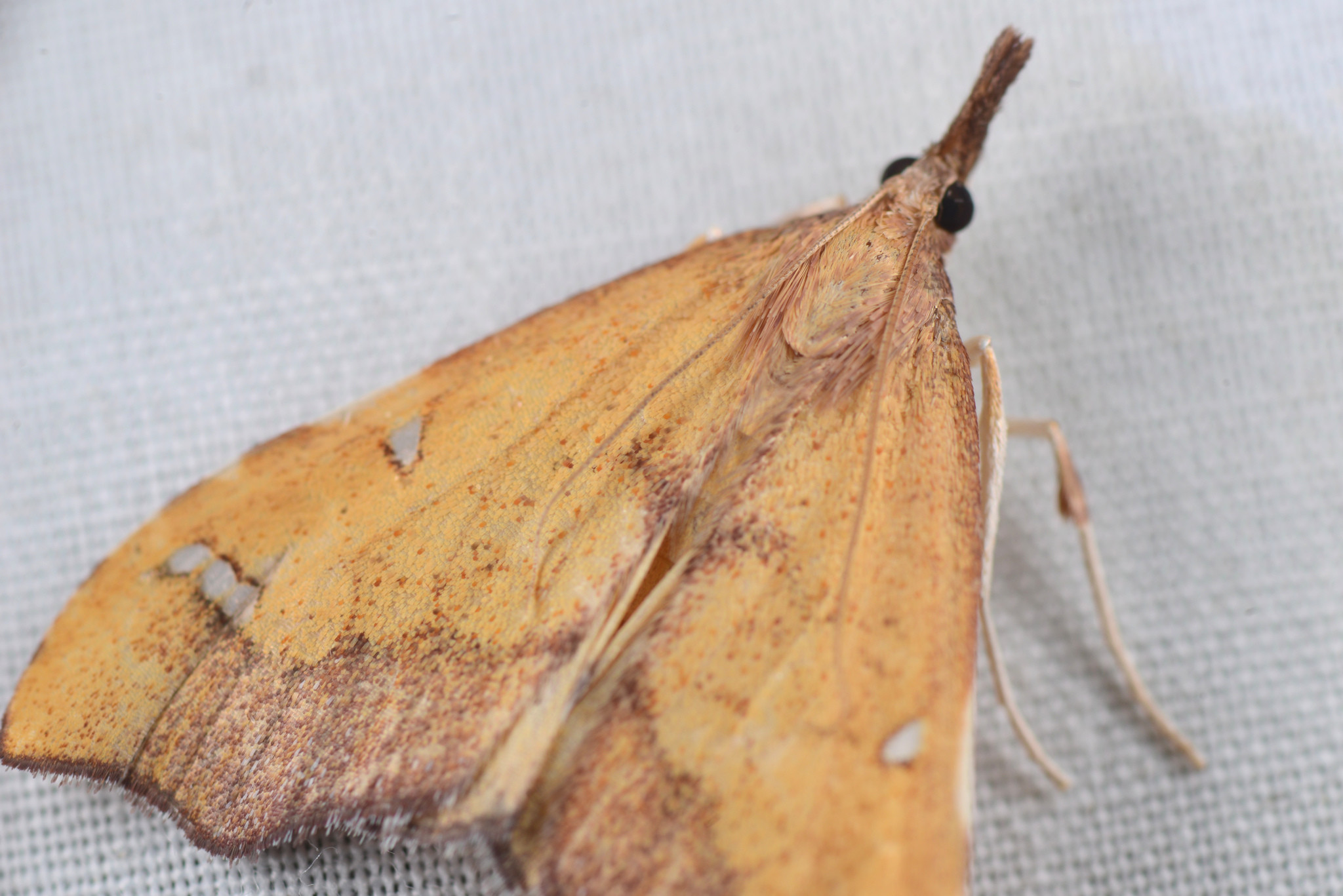
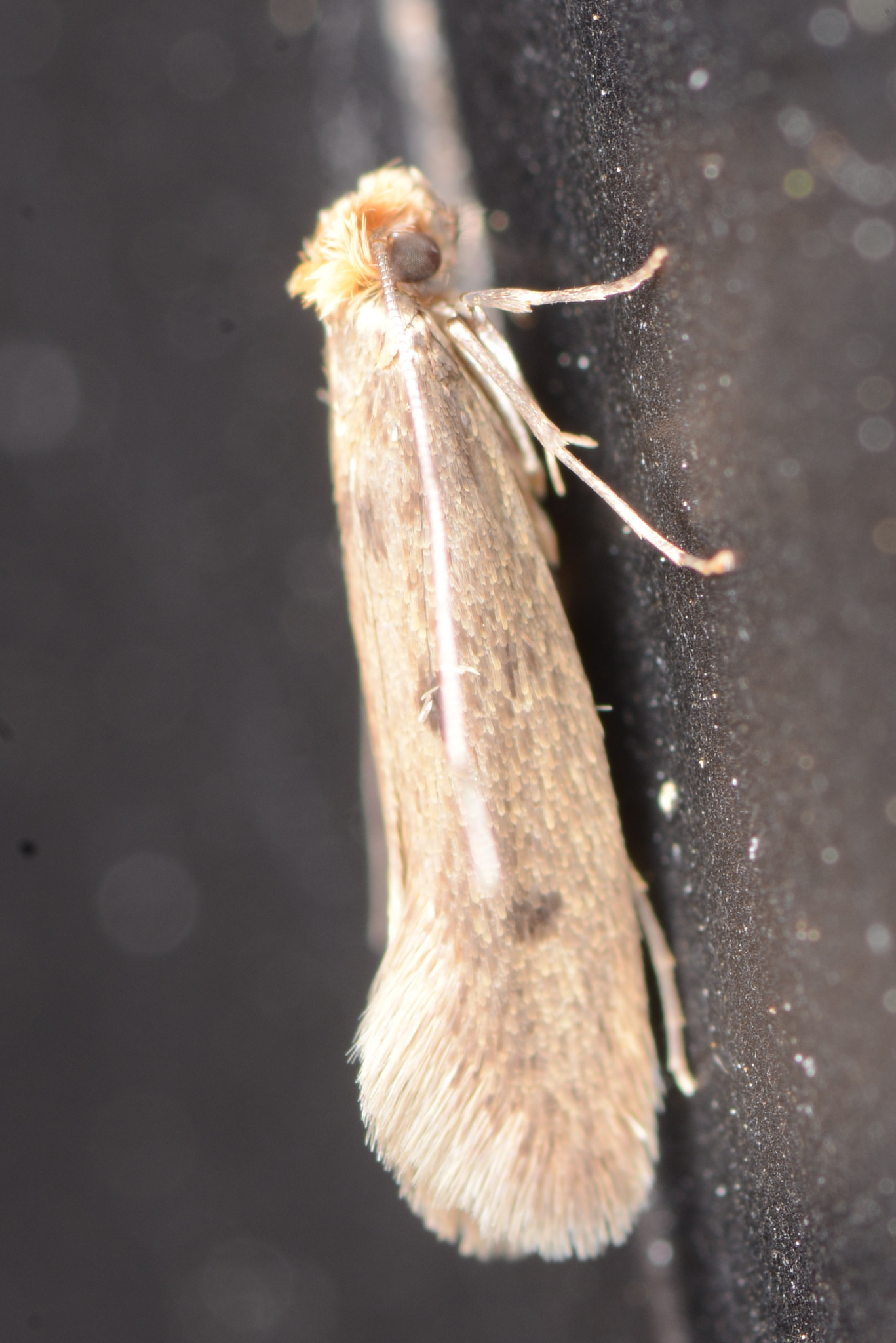
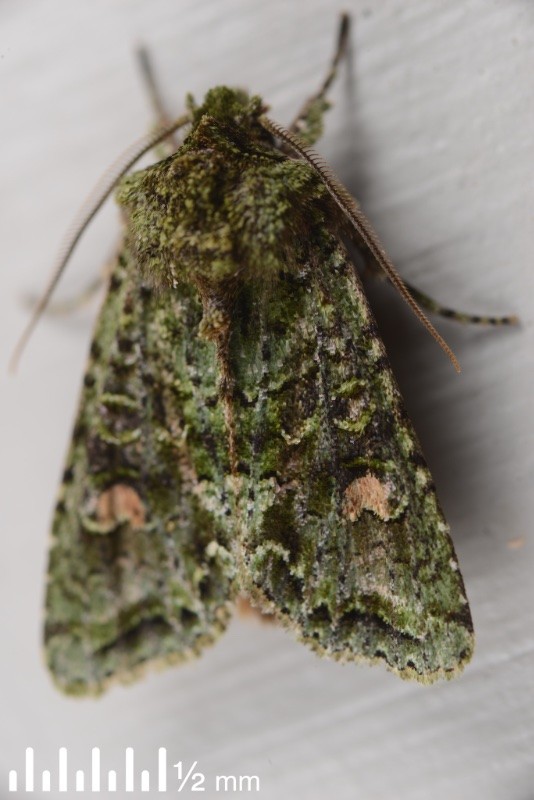
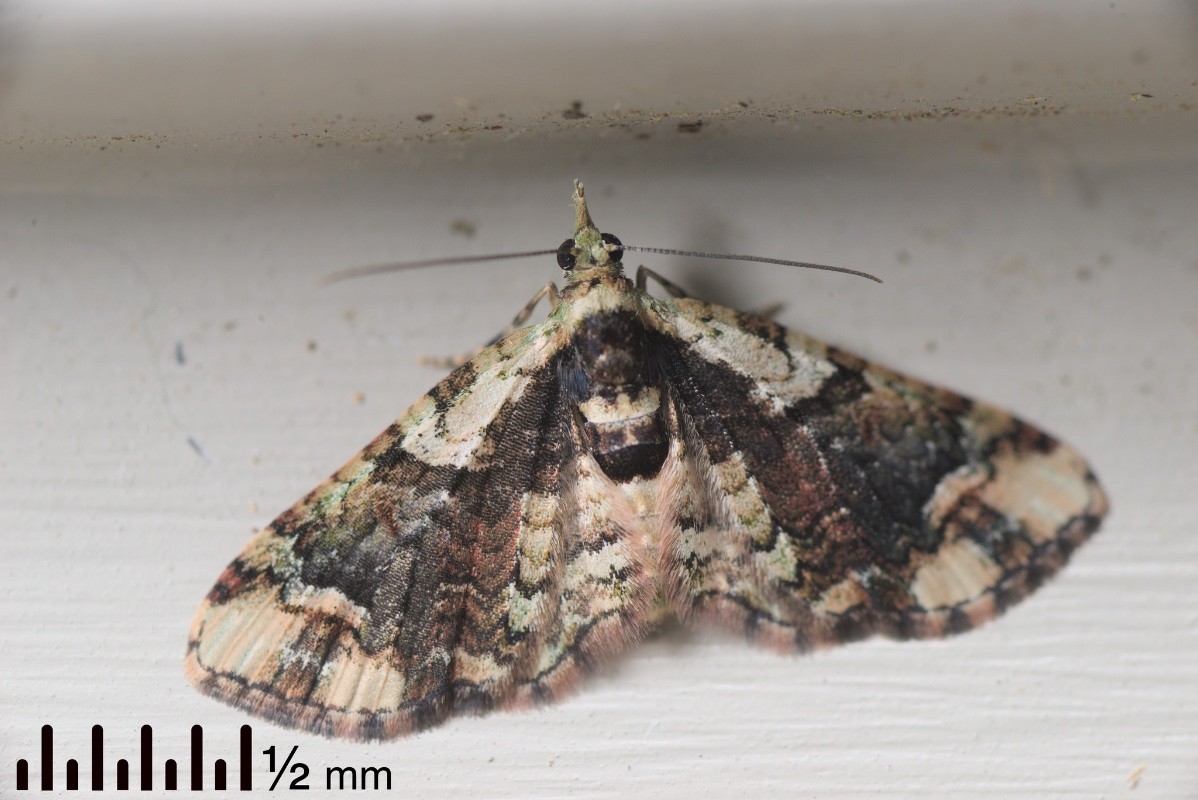
There's the endemic moth *Gymnobathra hamatella*:
https://inaturalist.nz/observations/337290749
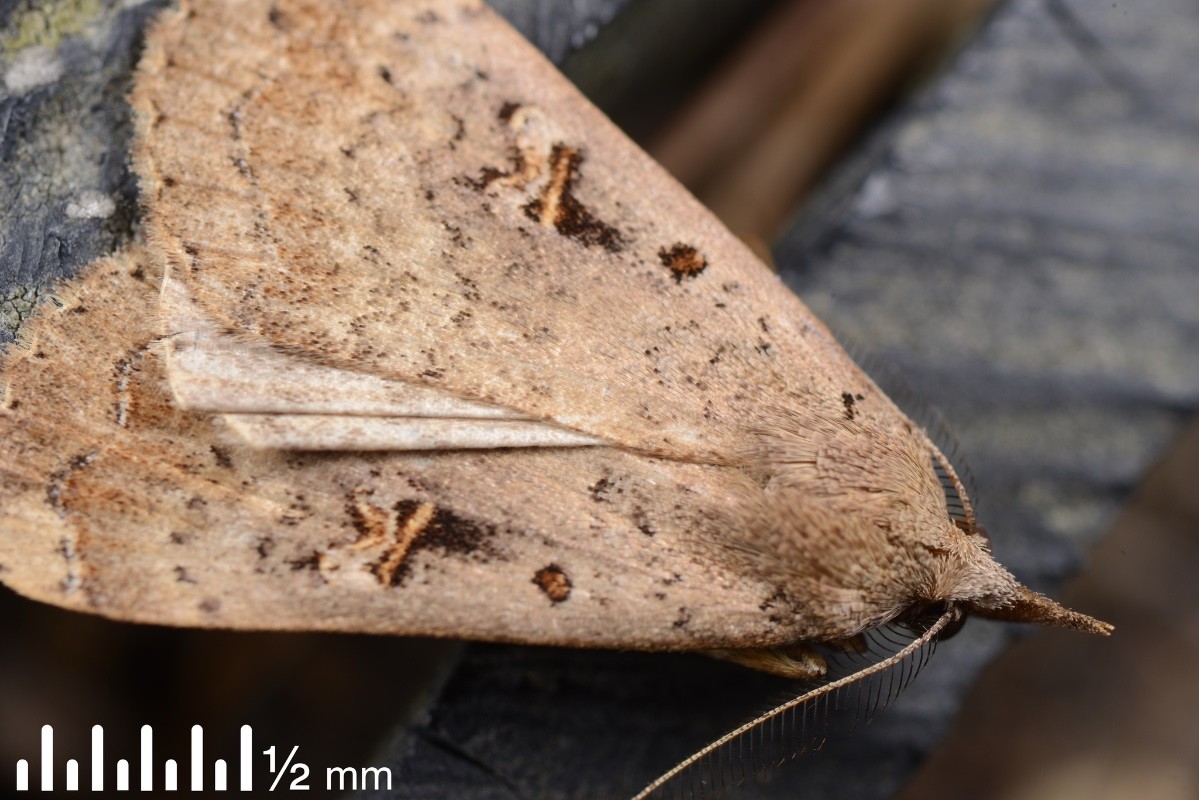
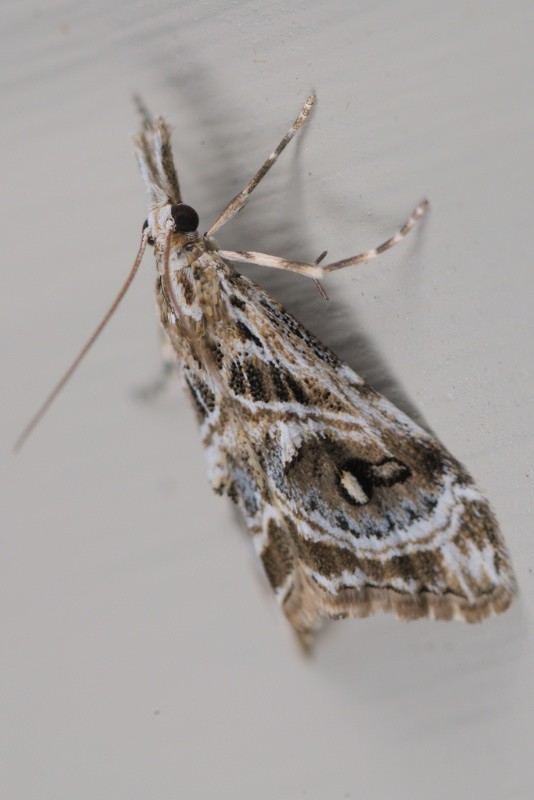
There's the "nationally vulnerable" endemic species *Gadira leucophthalma*:
https://inaturalist.nz/observations/337263605
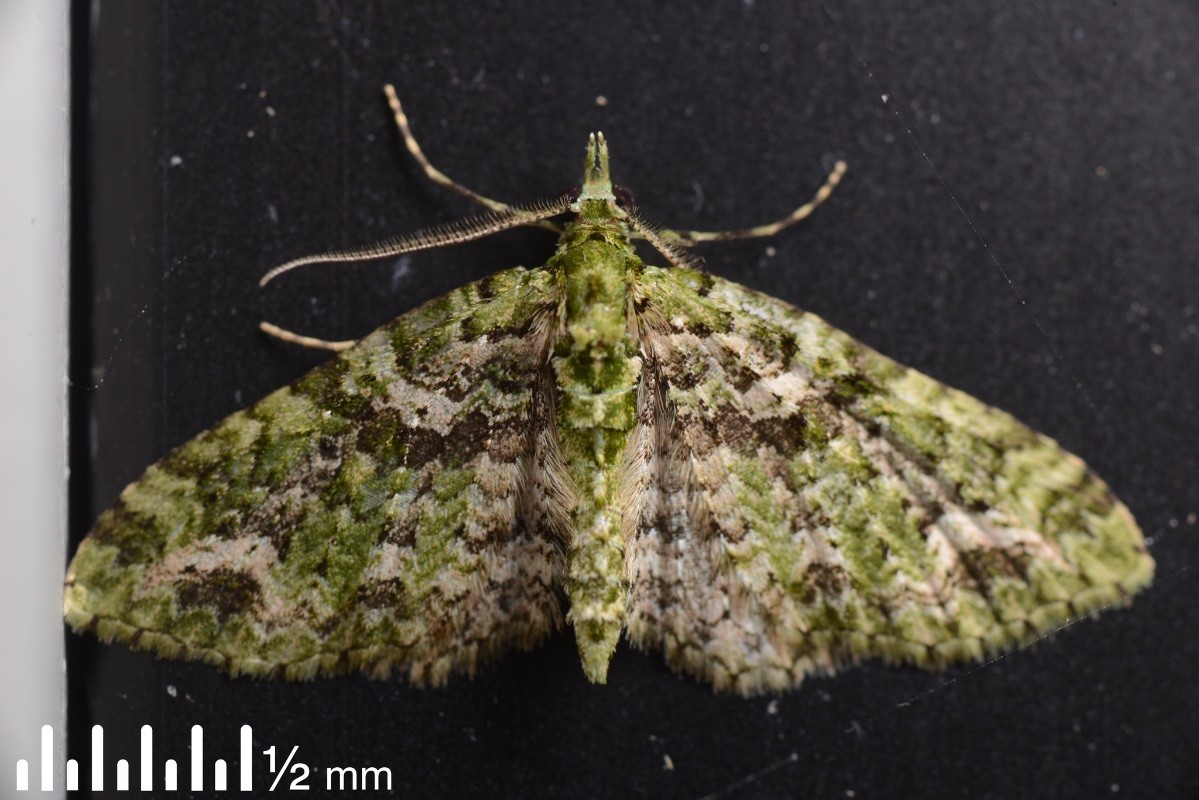
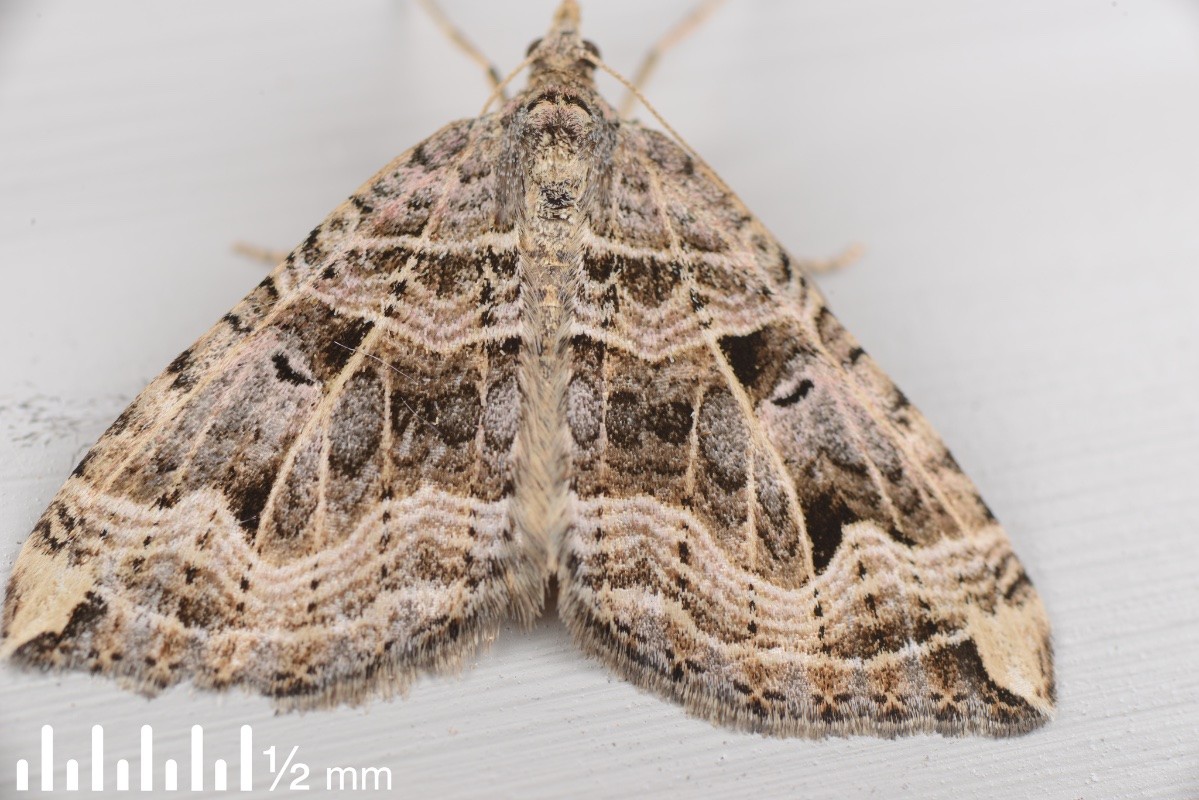
There's the endemic Clematis triangle *Deana hybreasalis*:
https://inaturalist.nz/observations/337285888
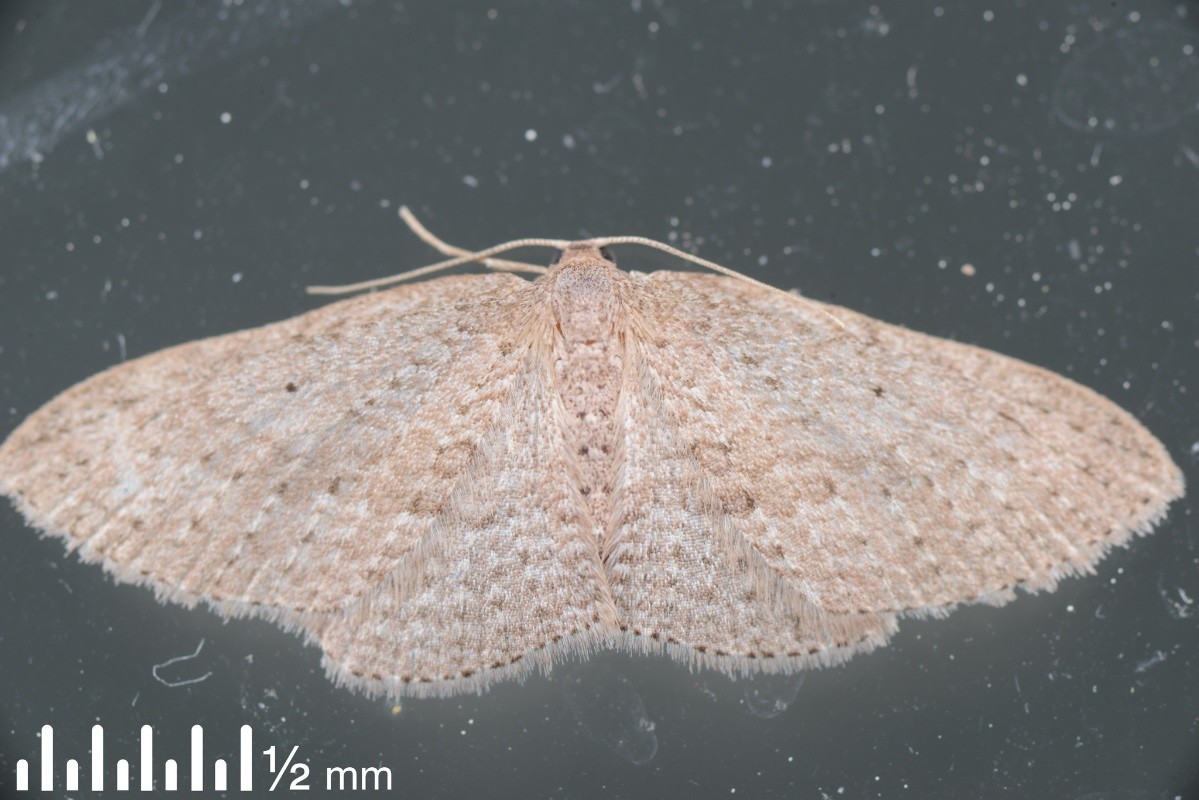
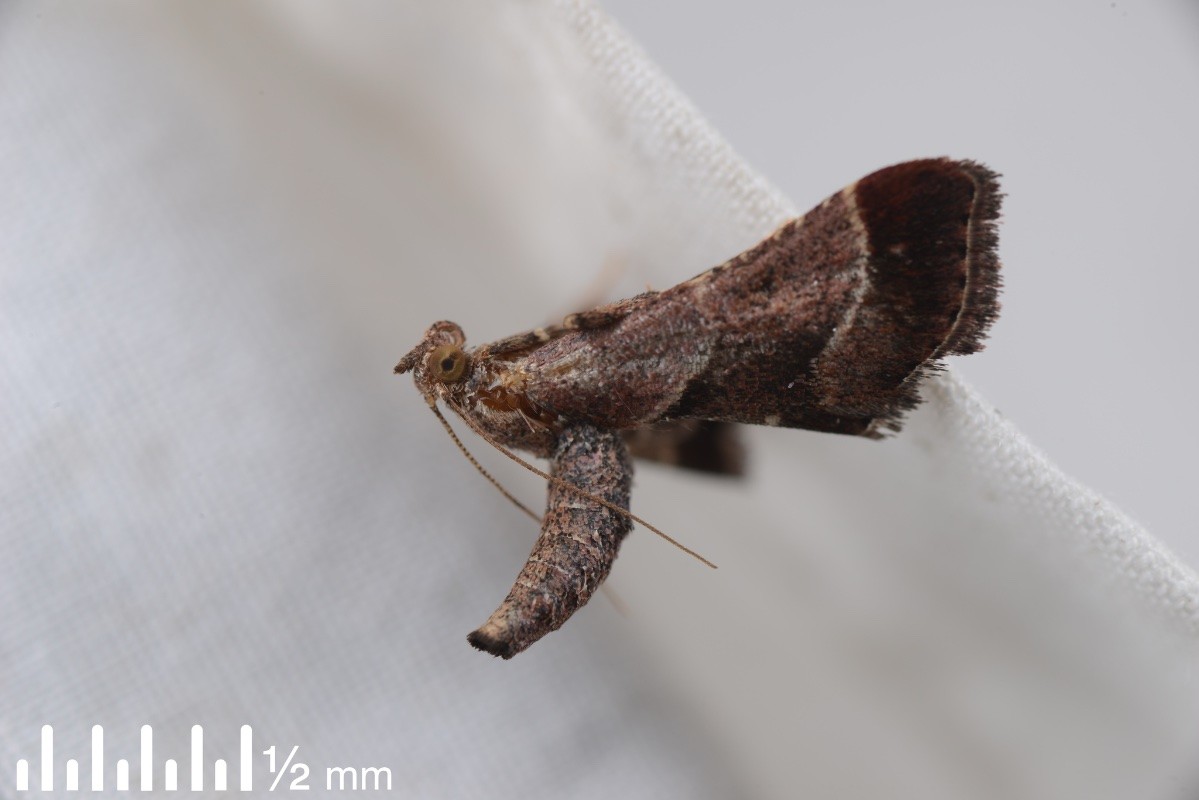
Also, less ideal, there's the introduced Case-bearing Clothes Moth *Tinea pellionella*:
https://inaturalist.nz/observations/337285916
#mothodon #moths #Lepidoptera #Ōtautahi #Christchurch #NZ #insects #EcologicalMonitoring
Each season I do four nights of moth lighting in my garden in suburban Ōtautahi-Christchurch, NZ. My summer moth lighting this year started on Saturday. I photograph every moth that settles at my light and today I've been uploading my photos to #iNaturalist.
I've been doing this consistently each autumn since 2015 and every season each year since (at least) 2021. You might think I would have found all the moth species that visit my garden, but no.
So far I've finished uploading Saturday's moth photos and have found six new species to our garden. Here are four of them.
There's the endemic moth *Gymnobathra hamatella*:
https://inaturalist.nz/observations/337290749
There's the "nationally vulnerable" endemic species *Gadira leucophthalma*:
https://inaturalist.nz/observations/337263605
There's the endemic Clematis triangle *Deana hybreasalis*:
https://inaturalist.nz/observations/337285888
Also, less ideal, there's the introduced Case-bearing Clothes Moth *Tinea pellionella*:
https://inaturalist.nz/observations/337285916
#mothodon #moths #Lepidoptera #Ōtautahi #Christchurch #NZ #insects #EcologicalMonitoring
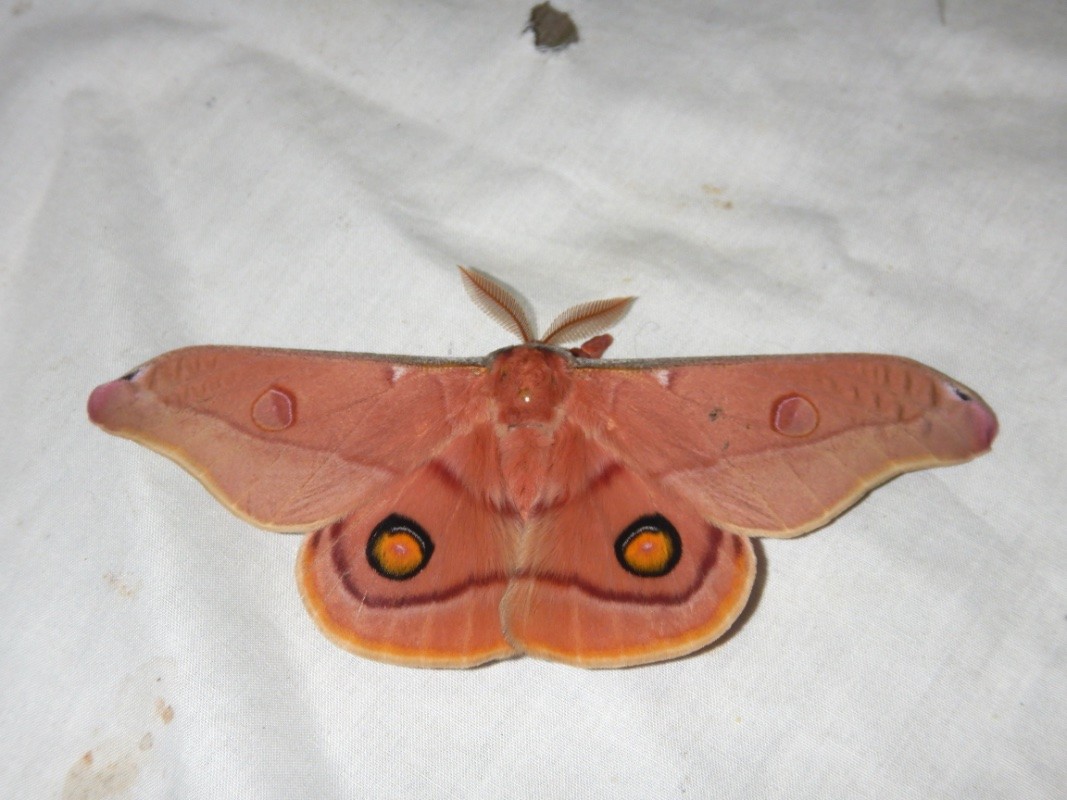
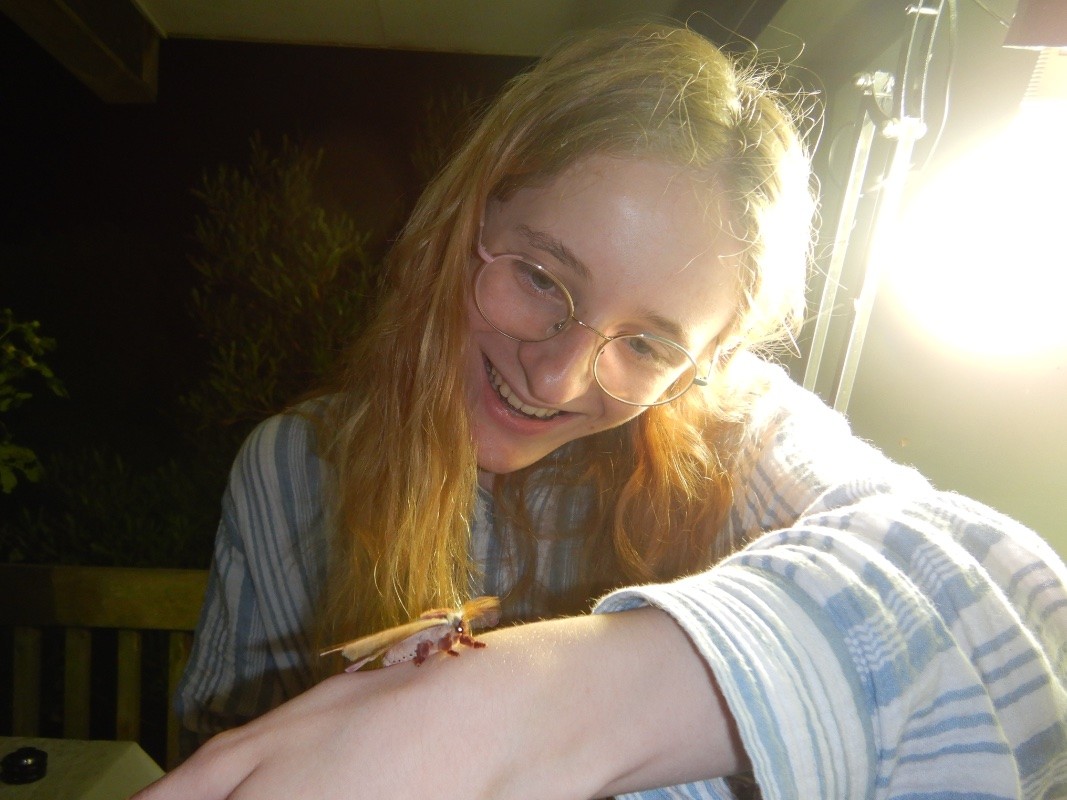
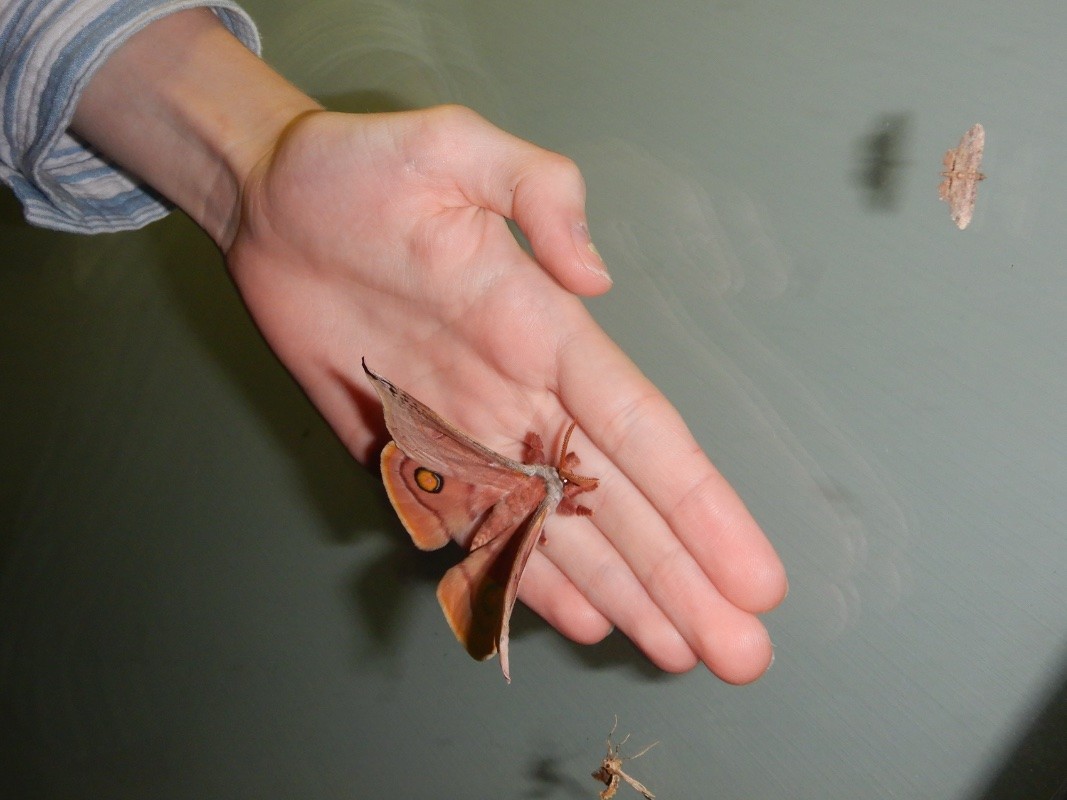
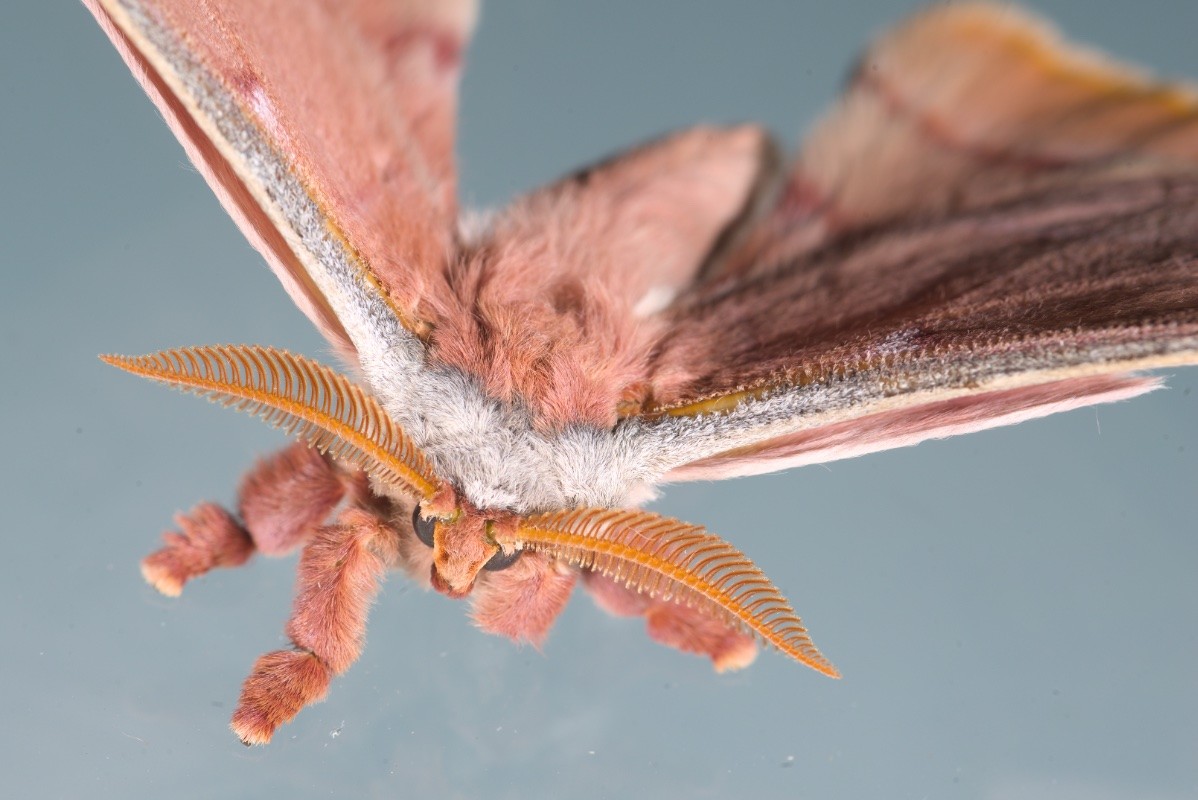
Check out this big gum emperor moth that visited my moth light at home last night, in Ōtautahi-Christchurch, NZ.
I first thought there was a bird flapping in the bushes, before it appeared. This one was pinker than most I've seen, and it happily clambered about on its big fluffy feet.
They're more like Pokémon than real moths.
https://inaturalist.nz/observations/336921630
#moths #mothodon #Christchurch #NZ #Ōtautahi #insects #entomology
Check out this big gum emperor moth that visited my moth light at home last night, in Ōtautahi-Christchurch, NZ.
I first thought there was a bird flapping in the bushes, before it appeared. This one was pinker than most I've seen, and it happily clambered about on its big fluffy feet.
They're more like Pokémon than real moths.
https://inaturalist.nz/observations/336921630
#moths #mothodon #Christchurch #NZ #Ōtautahi #insects #entomology
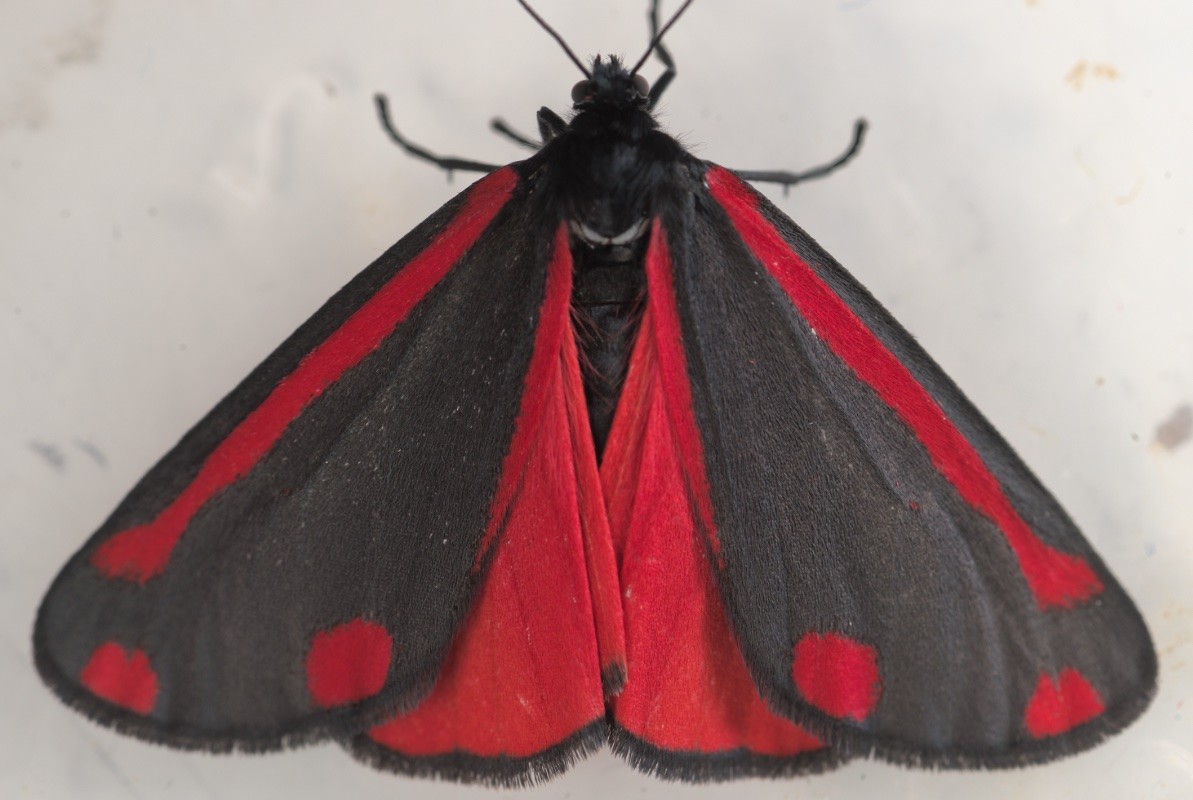
Look! Cinnabar moth!
Last summer I was surprised to find cinnabar moth caterpillars feeding on the native pahokoraka, Senecio quadridentatus, in the middle of Christchurch city, NZ. Cinnabar moths were released to control the European pasture weed ragwort back in the 1940s.
I collected four caterpillars and fed them on pahokoraka leaves until they pupated on 16 January. I put them on some scrunched up newsprint in a plastic container and put that outside in a shaded area of our garden. Today, three adult moths emerged.
They're day-flying moths which retain the poisons of their host plants and advertise that to would-be predators with their bright colours,
Look! Cinnabar moth!
Last summer I was surprised to find cinnabar moth caterpillars feeding on the native pahokoraka, Senecio quadridentatus, in the middle of Christchurch city, NZ. Cinnabar moths were released to control the European pasture weed ragwort back in the 1940s.
I collected four caterpillars and fed them on pahokoraka leaves until they pupated on 16 January. I put them on some scrunched up newsprint in a plastic container and put that outside in a shaded area of our garden. Today, three adult moths emerged.
They're day-flying moths which retain the poisons of their host plants and advertise that to would-be predators with their bright colours,
I'm thinking more about the life cycle of these cinnabar moths. It's quite remarkable. The eggs get laid late spring and take about 2 weeks to hatch. The caterpillars eat for about a month through the summer. They then pupate, and wait.
And wait.
And wait.
They wait through all of Autumn and Winter and early Spring.
Then, the adult moths emerge to mate and lay eggs and the cycle starts again.
They're dormant as pupae for about 10 months of every year!
https://digitallibrary.landcareresearch.co.nz/digital/api/collection/p20022coll21/id/41/download
Look! Cinnabar moth!
Last summer I was surprised to find cinnabar moth caterpillars feeding on the native pahokoraka, Senecio quadridentatus, in the middle of Christchurch city, NZ. Cinnabar moths were released to control the European pasture weed ragwort back in the 1940s.
I collected four caterpillars and fed them on pahokoraka leaves until they pupated on 16 January. I put them on some scrunched up newsprint in a plastic container and put that outside in a shaded area of our garden. Today, three adult moths emerged.
They're day-flying moths which retain the poisons of their host plants and advertise that to would-be predators with their bright colours,
OK. Four more moths. These are the four species that were new to our garden this spring.
I've been consistently putting out the moth light four nights every season since July 2021 and I'm still finding new species.
Blackheaded Leafroller, *Ctenopseustis obliquana*: https://inaturalist.nz/observations/324798689
Golden-brown Fern Moth, *Musotima nitidalis*: https://inaturalist.nz/observations/324611764
*Tingena melinella*: https://inaturalist.nz/observations/324798772
Golden-brown Fern Moth *Musotima nitidalis*: https://inaturalist.nz/observations/324611764
They're all native moths. Welcome to our garden.
OK. Four more moths. These are the four species that were new to our garden this spring.
I've been consistently putting out the moth light four nights every season since July 2021 and I'm still finding new species.
Blackheaded Leafroller, *Ctenopseustis obliquana*: https://inaturalist.nz/observations/324798689
Golden-brown Fern Moth, *Musotima nitidalis*: https://inaturalist.nz/observations/324611764
*Tingena melinella*: https://inaturalist.nz/observations/324798772
Golden-brown Fern Moth *Musotima nitidalis*: https://inaturalist.nz/observations/324611764
They're all native moths. Welcome to our garden.
Wait, I've got more moths! (Yes, it's your lucky day.)
(Species names are in the alt-text)
More moths? Yes, more moths!
The first moth is Chloroclystis inductata and it's an unusual colour morph of it. For all the variation in this one species from our garden so far, see https://inaturalist.nz/observations?place_id=150600&preferred_place_id=6803&taxon_id=407383&user_id=jon_sullivan&verifiable=any
The names of the others are in the alt-text.
#nz #mothodon #lepidoptera #Christchurch #insects #entomology
Moths? You want moths? I've got moths!
This week I finished uploading to #iNaturalist my four nights of moth lighting at our house, which I do once a season. I got 65 moth species this Spring, including four new species for our garden.
Here are some of the highlights. I like how much diversity of forms and colours and textures are amongst moths. It's a shame that they're so underappreciated compared to their showy daytime relatives. NZ has some great moths.
(The moth names are in the alt-text.)
I like this article in Nature Canada celebrating Canada’s (and North America’s) largest moth, the Cecropia moth. It is an excellent moth.
“Adult Cecropia moths last about two weeks. They can’t eat during this stage, since they have no digestive system or moveable mouth parts. About the only thing they can do is mate! An adult Cecropia moth is basically a work of art designed to create more works of art.”
https://naturecanada.ca/news/blog/the-cecropia-moth-art-on-the-wing/