Discussion
Loading...

Discussion

Log in
  • About
  • Code of conduct
  • Privacy
  • Users
  • Instances
  • About Bonfire
Greenpeace International
@greenpeace@mastodon.social  ·  activity timestamp 3 days ago

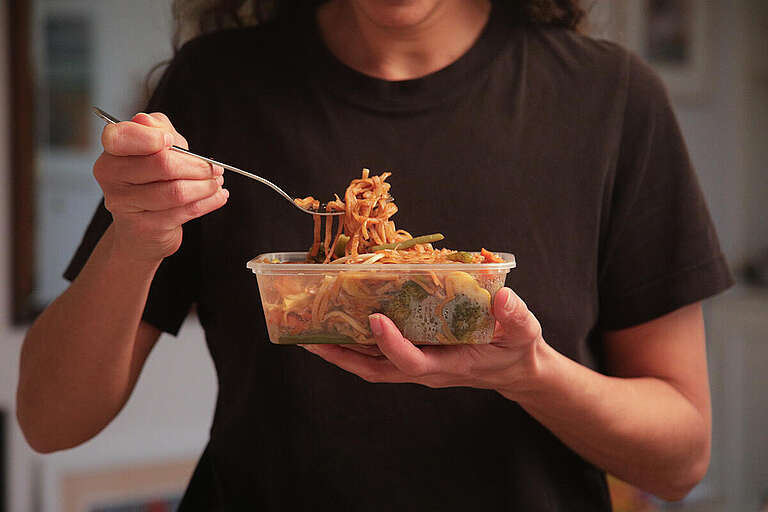
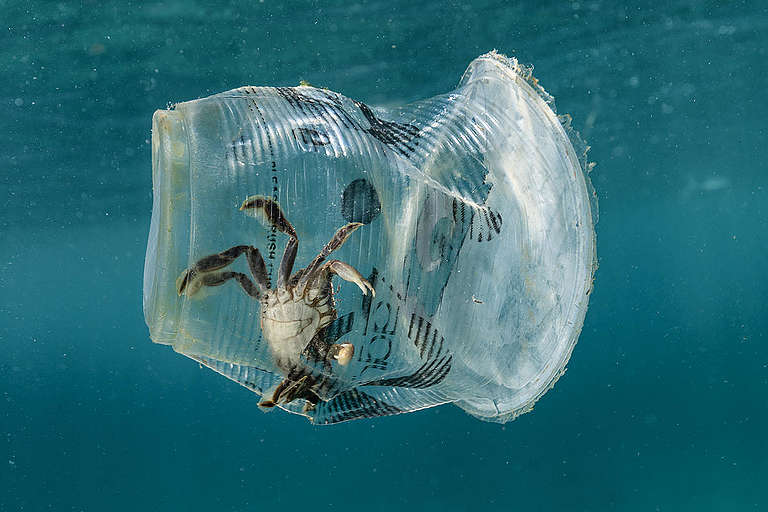
NEW REPORT: Heating plastic packaged ready meals and takeaways can release hundreds of thousands of micro and nanoplastic particles, plus a cocktail of toxic chemicals, straight into our food.

A new Greenpeace International review of scientific studies shows why this is a looming public health emergency.

Read more:

https://www.greenpeace.org/international/story/81649/reheating-plastic-food-containers-what-science-says-about-microplastics-chemicals-ready-meals/

#PlasticsTreaty #microplastics #food #health

Greenpeace International article - Reheating plastic food containers: what science says about microplastics and chemicals in ready meals

by Daniel Read
24 Feb 2026 

How often do you eat takeaway food? What about pre-prepared ready meals? Or maybe just microwaving some leftovers you had in the fridge? In any of these cases, there’s a pretty good chance the container was made out of plastic. Considering that they can be an extremely affordable option, are there any potential downsides we need to be aware of? We decided to investigate.

Scientific research increasingly shows that heating food in plastic packaging can release microplastics and plastic chemicals into the food we eat. A new Greenpeace International review of peer-reviewed studies finds that microwaving plastic food containers significantly increases this release, raising concerns about long-term human health impacts. This article summarises what the science says, what remains uncertain, and what needs to change.

Greenpeace International article - Reheating plastic food containers: what science says about microplastics and chemicals in ready meals by Daniel Read 24 Feb 2026 How often do you eat takeaway food? What about pre-prepared ready meals? Or maybe just microwaving some leftovers you had in the fridge? In any of these cases, there’s a pretty good chance the container was made out of plastic. Considering that they can be an extremely affordable option, are there any potential downsides we need to be aware of? We decided to investigate. Scientific research increasingly shows that heating food in plastic packaging can release microplastics and plastic chemicals into the food we eat. A new Greenpeace International review of peer-reviewed studies finds that microwaving plastic food containers significantly increases this release, raising concerns about long-term human health impacts. This article summarises what the science says, what remains uncertain, and what needs to change.
Greenpeace International

Reheating plastic food containers: what science says about microplastics and chemicals in ready meals

How often do you eat takeaway food? What about pre-prepared ready meals? Or maybe just microwaving some leftovers you had in the fridge? In any of these cases, there’s a pretty good chance the container was made out of plastic. Considering that they can be an extremely affordable option, are there any potential downsides we need to be aware of? We decided to investigate.
  • Copy link
  • Flag this post
  • Block
Greenpeace International
@greenpeace@mastodon.social  ·  activity timestamp 3 days ago

Plastic packaged ready meals are a warning sign of a much bigger problem.

We need a strong Global #PlasticsTreaty that cuts plastic production, eliminates toxic chemicals, and protects people’s health, not corporate profit.

Tell your government you want them to back it:

https://www.greenpeace.org/international/act/lets-end-the-age-of-plastic/

#PlasticsTreaty #microplastics #food #health

Greenpeace activists holding a banner demanding reduction in production of plastics by 75% at Dandora dumpsite in Nairobi.
© Greenpeace / Selvin Marete
Greenpeace activists holding a banner demanding reduction in production of plastics by 75% at Dandora dumpsite in Nairobi. © Greenpeace / Selvin Marete
Greenpeace International

Let’s end the age of plastic!

I support a strong Global Plastics Treaty that cuts plastic production so that we can finally turn off the tap and end the age of plastic - for our communities, our country, and our planet. Join me
  • Copy link
  • Flag this comment
  • Block

bonfire.cafe

A space for Bonfire maintainers and contributors to communicate

bonfire.cafe: About · Code of conduct · Privacy · Users · Instances
Bonfire social · 1.0.2-alpha.34 no JS en
Automatic federation enabled
Log in
Instance logo
  • Explore
  • About
  • Members
  • Code of Conduct