

The #BrokenTimes elevates & normalizes the trivial stupidity of the woke font fight--as ever, without bringing the history of font fights past, under another authoritarian leader, Hitler.
Is Times New Roman Better Than Calibri for the State Department? https://www.nytimes.com/interactive/2025/12/13/us/calibri-font-times-new-roman-state-department.html?smid=tw-share

0 Boosts
0 Likes
From my upcoming book, Hot Type:
The great Beatrice Warde, expert in typography, called those who would use sans serif faces as body type "aesthetic nudists." T.M. Cleland called sans serif “simplification for simpletons, and those are block letters for blockheads.” Indeed.
Preorder: https://jeffjarvis.com


@jeffjarvis I don't care if typography is an art form. This kind of attitude shows the hubris of font designers. If it is easier to read in the nude do me a sans font any day.


They weren't designing for screens.


@jeffjarvis By the way, my personal feeling is that the font used in your Gutenberg book (the book I'm reading now) is especially difficult to read.

@jeffjarvis Well, yes, but actually, this time the fascists are going backwards.
Hitler actually moved German typography more in line with other European languages that did the switch to Antiqua centuries earlier.
In that way, it's not an analogy. On the scale of things the Nazis did, this is probably mostly benign and fine (and it btw still applies today, while I had to learn to read Fraktur in school, I don't think many of my generation had to, and today not many know it).
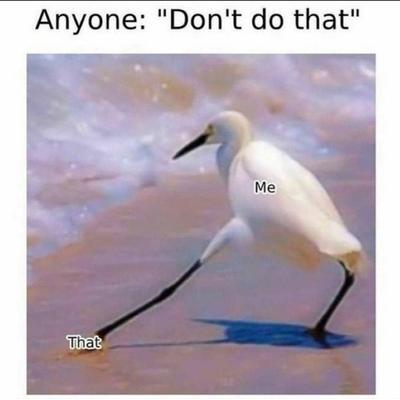
@jeffjarvis I do not care, look at the little bird. https://chatgpt.com/share/693ecd14-494c-8013-b4b8-48778fa44249


@jeffjarvis Normally, I’m willing to hand wave this stuff but this decision - like everything from this administration- is just stupid.


There's always a link between hitler & trump... 🙁
Incriminating collages!

@jeffjarvis This is one of the main reasons why Swiss Design is a thing…

@jeffjarvis Pain is the goal. Calibri is a better font for people that have difficulty reading. Times New Roman is a font for print that can cram the most text in a cramped space. So lets efff around with the vision impaired and make their life even more miserable that it already is.
A font that works good for papers is not necessarily a good font for screen. Or correspondence that has a lot more horizontal space. Or even a book.