[ImageSource: Pennsylvania State University]
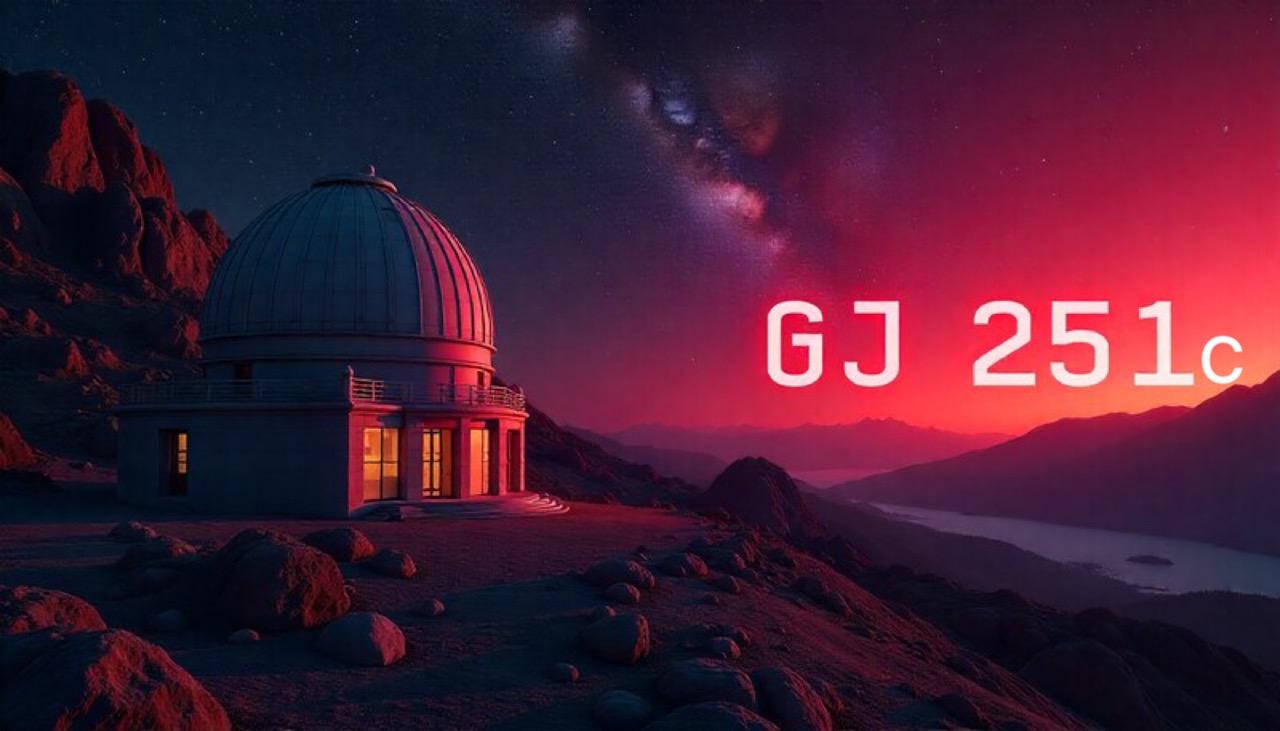
⁉️A new exoplanet candidate has just burst onto the scene, and it may be one of the best alien worlds yet on which to search for extraterrestrial life. "The exoplanet is in the habitable or the 'Goldilocks Zone,' the right distance from its star that liquid water could exist on its surface, if it has the right atmosphere," explains astronomer Suvrath Mahadevan.⁉️
Scientists are still trying to figure out the complex mix of ingredients that make up a world on which life can emerge, but there are a few key big-picture characteristics to look for before examining a candidate more closely.
👾The first two things scientists look for are: whether the world has a solid, rocky composition like Earth, since it's the only world we know for a fact hosts life; and whether the planet is at a distance from its star where temperatures allow for liquid water, the so-called "solvent of life".👾
<https://doi.org/10.1007/s11084-012-9301-6>
<https://soundcloud.com/theucipodcast/nearbyexoplanet_mixdown>
The exoplanet orbits a star called GJ 251, a red dwarf about a third of the mass and diameter of the Sun. Because it's small and cool, the habitable zone is much closer to the star than the Solar System's habitable zone. This can actually make any worlds hanging out there easier to find, because they have shorter orbits, making the signals from multiple orbits easier to spot and stack.
<https://science.nasa.gov/exoplanets/habitable-zone/>


![[ImageSource: Pennsylvania State University]
⁉️A new exoplanet candidate has just burst onto the scene, and it may be one of the best alien worlds yet on which to search for extraterrestrial life. "The exoplanet is in the habitable or the 'Goldilocks Zone,' the right distance from its star that liquid water could exist on its surface, if it has the right atmosphere," explains astronomer Suvrath Mahadevan.⁉️
Scientists are still trying to figure out the complex mix of ingredients that make up a world on which life can emerge, but there are a few key big-picture characteristics to look for before examining a candidate more closely.
👾The first two things scientists look for are: whether the world has a solid, rocky composition like Earth, since it's the only world we know for a fact hosts life; and whether the planet is at a distance from its star where temperatures allow for liquid water, the so-called "solvent of life".👾
<https://doi.org/10.1007/s11084-012-9301-6>
<https://soundcloud.com/theucipodcast/nearbyexoplanet_mixdown>
The exoplanet orbits a star called GJ 251, a red dwarf about a third of the mass and diameter of the Sun. Because it's small and cool, the habitable zone is much closer to the star than the Solar System's habitable zone. This can actually make any worlds hanging out there easier to find, because they have shorter orbits, making the signals from multiple orbits easier to spot and stack.
<https://science.nasa.gov/exoplanets/habitable-zone/>](https://nerdculture.de/system/media_attachments/files/115/695/465/218/559/878/original/7ea6cd53f121625b.jpeg)