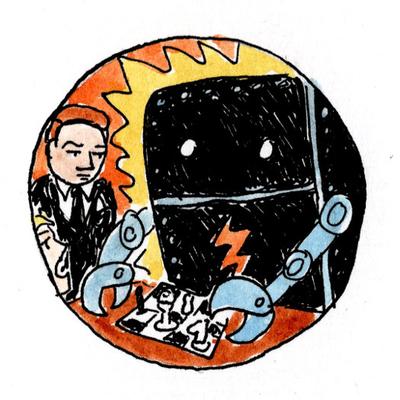
Long after the manufacturer stops supporting a device, user communities play a crucial role in reverse-engineering file formats and communication protocols, maintaining documentation and software archives, as well as designing and producing spare parts that can even overcome initial design flaws.
This paper will explore both software and hardware retrofitting techniques, using various examples: cameras, music players, dedicated writing instruments, video games. The resulting retrofitted devices are neither vintage nor modern, creating their own hybrid interaction paradigm around monotasking on dedicated hardware with intermittent connectivity. The various examples discussed outline some common factors that increase the likelihood that a successful retrofitting path can be found for a device. These factors can also be understood as resilient design principles for new hardware.