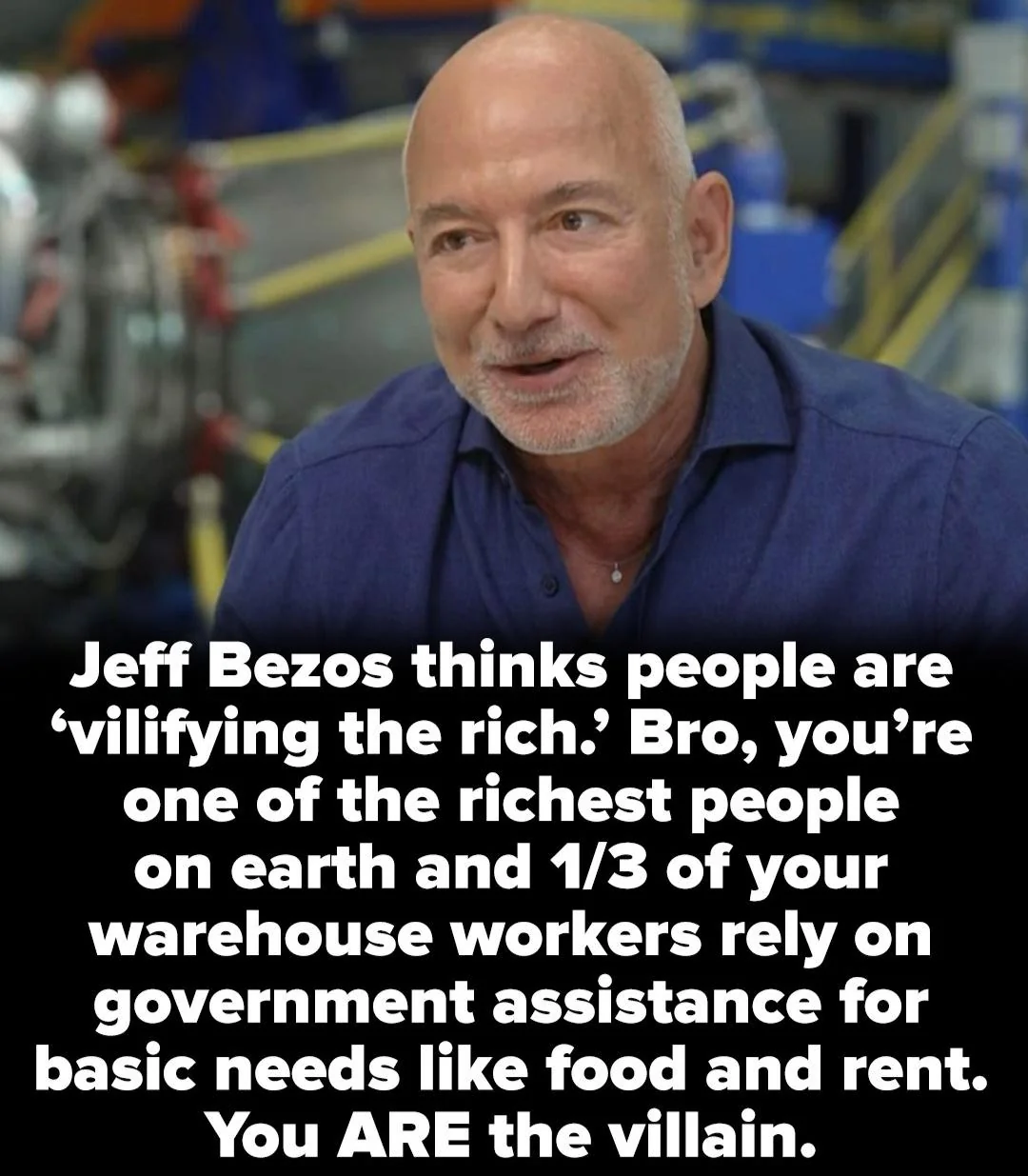
Jeff Bezos thinks people are
‘vilifying the rich.’ Bro, you're
one of the richest people
on earth and 1/3 of your
warehouse workers rely on
government assistance for
basic needs like food and rent.
You ARE the villain.
Looking forwards to a Long Weekend of lounging by the lake
barbecuing
and lots of open source 
I’m ready to relax! 
@sue Oh right, the thing where a guy burned like $1k when his bot spent all night long asking if it's daytime yet.
@JessTheUnstill@infosec.exchange @sue@glasgow.social Please, please. As a couple of years ago I wrote an agentic framework (before the surrounding landscape got rather better defined) I can tell you that you're missing the true depth and complexity here.
It's a loop that runs so slowly and unreliably you need to persist steps to have a hope of it running successfully, and which needs subloops to repeatedly tell it to try again when it attempts to use other software until it gives valid input. Then you rewrite the stack trace so that only the correct trigger is stored in the hope you don't run out of effective memory before actually doing whatever it is you're trying to do. It's so much more than a loop!
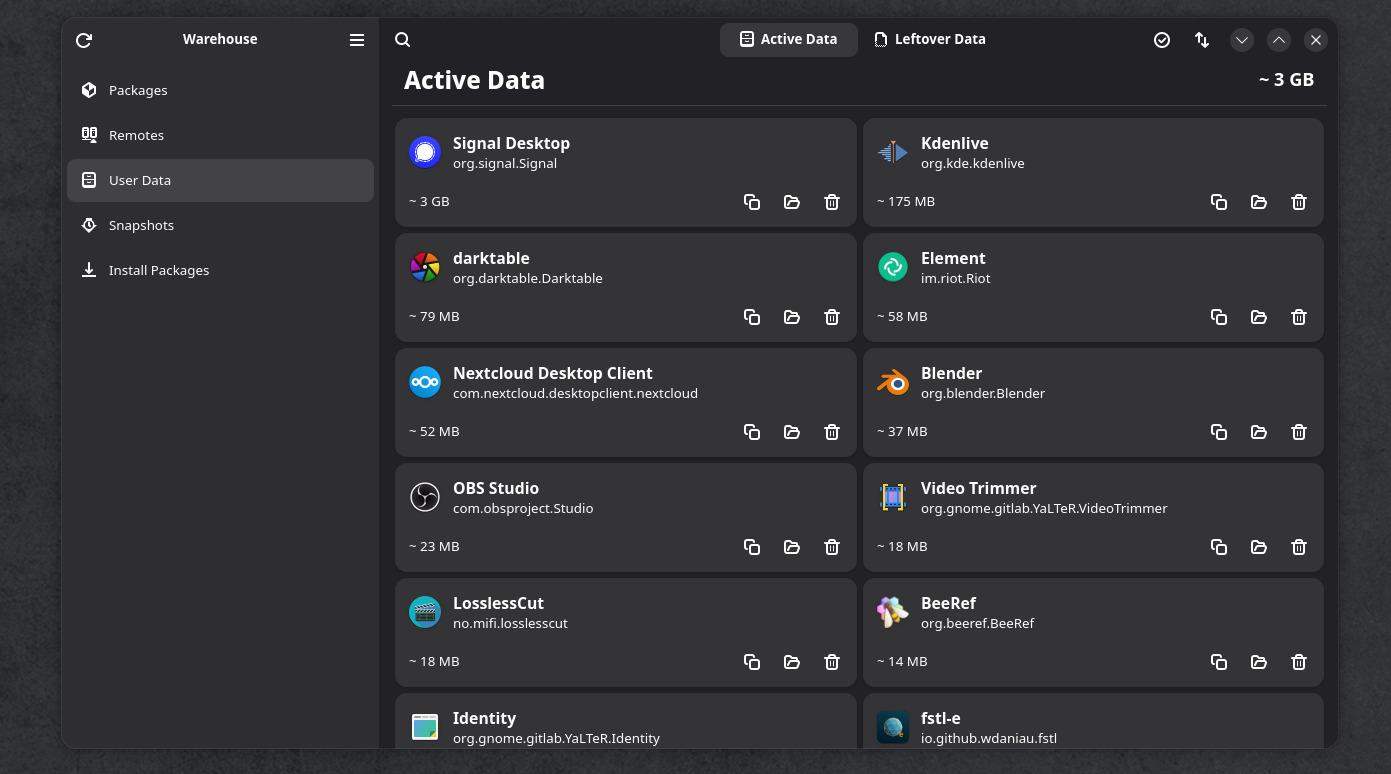
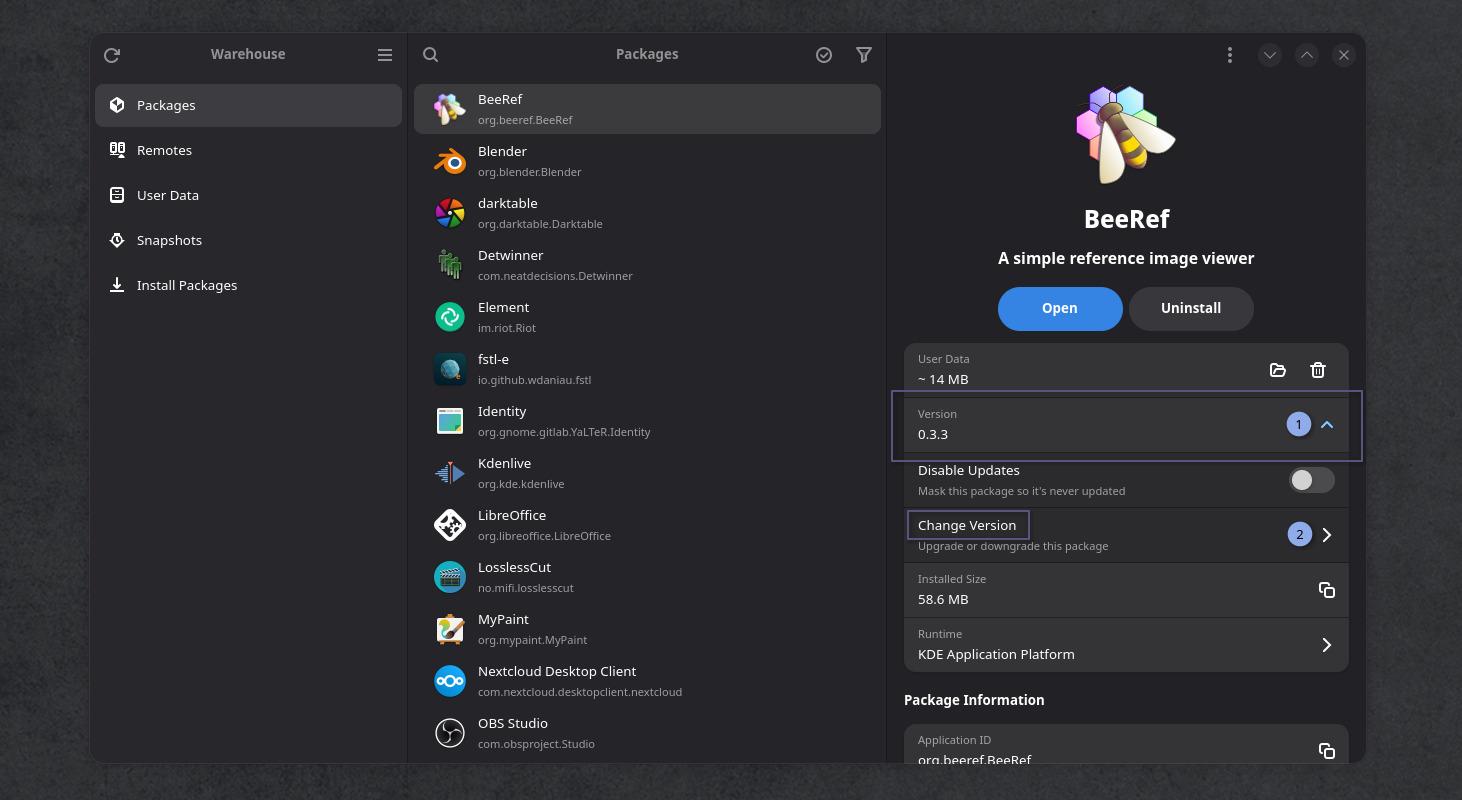
@slumberingcat Tested and oh my 😍 It's amazing. Version, stopping update, a nice GUI, control and backup of the preferences... It's a little dream. Thank you for the recommendation! I'll update the article, this is really a better way to do that.
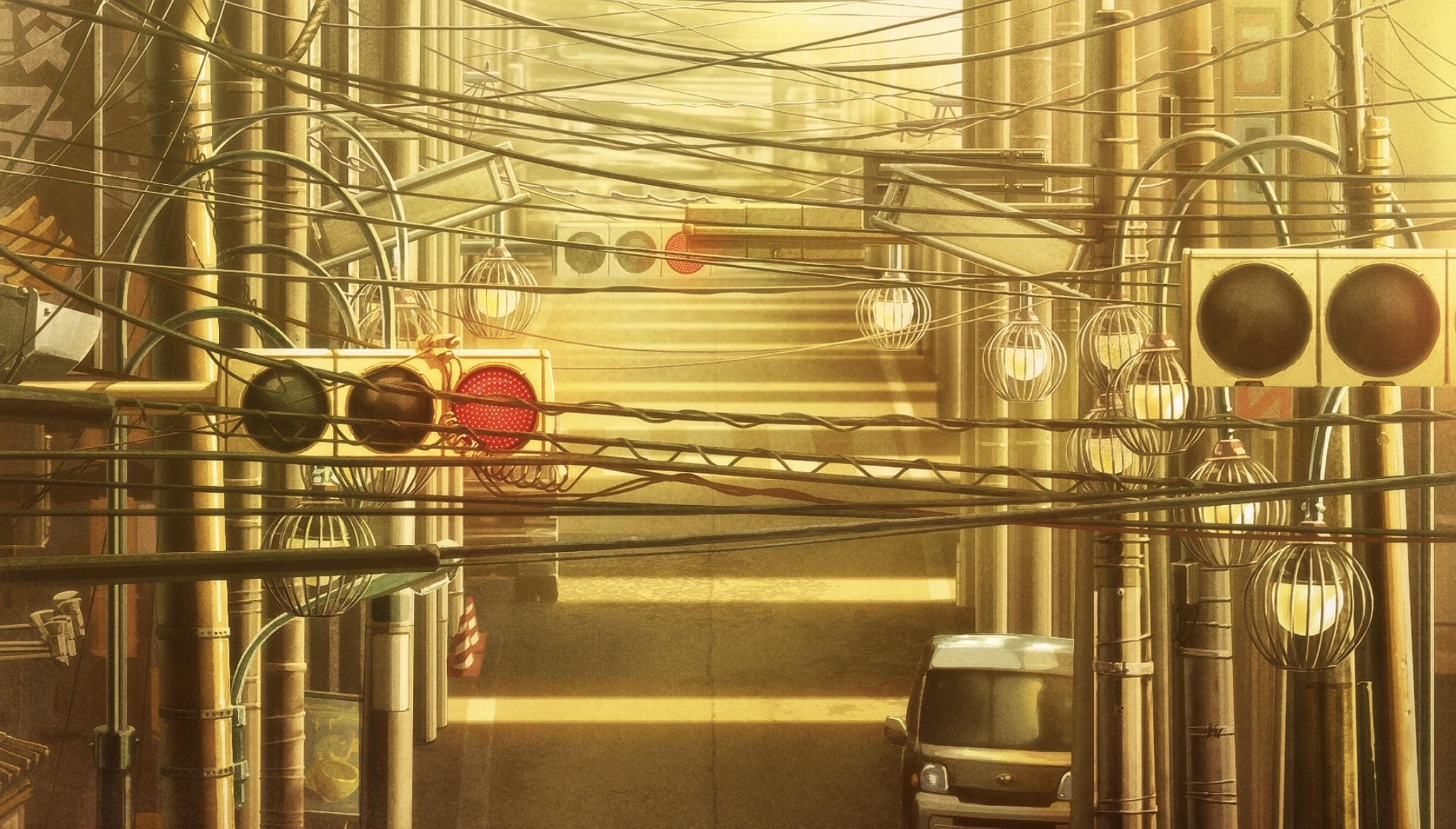
like look at this
@halcy 😳 I guess this show is going on my list, huh.
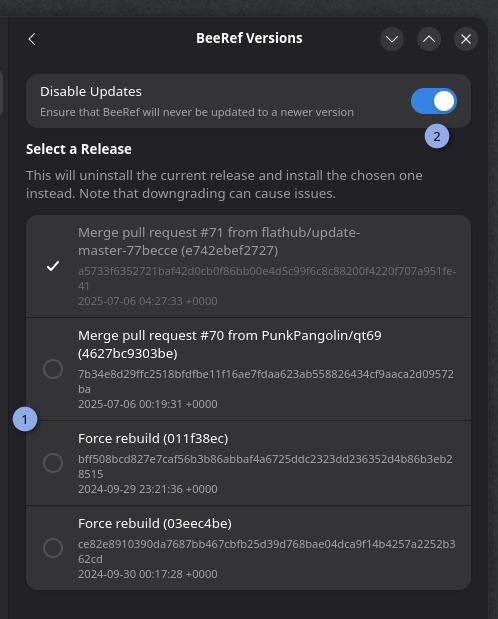
@davidrevoy@framapiaf.org For the Flatpak management, including changing versions and disabling updates, check out Warehouse. Saves you from the CLI 😊
Cuba è sull’orlo del collasso, ma Washington si comporta come se fosse ancora il 1962
https://www.wired.it/article/cuba-la-portaerei-nimitz-e-una-pistola-puntata-alla-tempia-dellisola-dopo-lincriminazione-di-raul-castro/?utm_source=flipboard&utm_medium=activitypub
Pubblicato su Diritti @diritti-WiredItalia
CURAMI – PRIMA DI TUTTO LA SALUTE: MEDICI DI FAMIGLIA. CAMBIA LA CONVENZIONE https://www.radiondadurto.org/2026/05/23/curami-prima-di-tutto-la-salute-medici-di-famiglia-cambia-la-convenzione/ #News
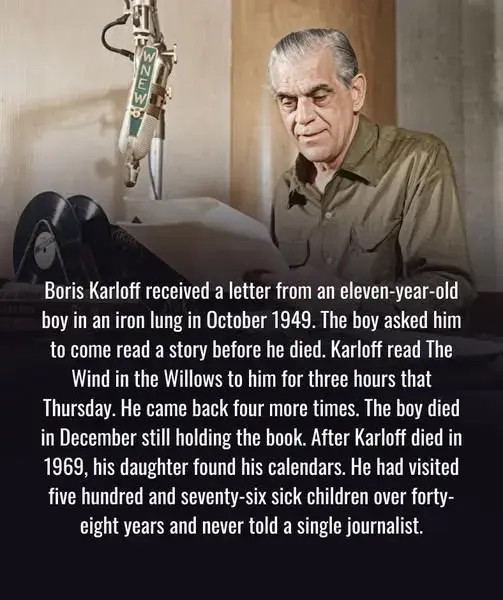
The world needs more like Boris Karloff.
I'm kind of warming up to channels, and will have my own too. Kind of like Avalanche (a NixOS flake of mine that has derivations and whatnot for a couple of things I needed), but less shit.
Maybe channels are nicer than flakes, I'm starting to think.
Not quite sure at this time whether I will need multiple files, or if I'll be able to shove my entire configuration into a single scheme file.
Will I need N files for every system? Or can I have all my systems in a single file?
One of the best things about my current NixOS setup is that it's barely more than a single flake.nix (it's also an SSH key and a bunch of secrets, and some wallpapers). I like this because the various hosts can refer to others!
Like, on Quickbeam, where my Prometheus lives, if I want to scrape the metrics of iocaine (on Eru), I can use nodes.eru.config.systemd.sockets."iocaine-metrics".socketConfig.ListenStream, and won't have to repeat the same info twice, nor will I need to use noweb refs to embed the single truth two times to different places.

Failing to use open licenses limits the spread, and therefore the impact, of your work. If you have a say in crafting your organization’s policies on licensing its own content, I would recommend you push for an explicit and blanket authorization to publish using open licenses, like those provided by Creative Commons.
18/19
To wrap up, here’s some recommendations for publishing reports and publications. If, instead, you are publishing a dataset (highly recommended!) I made a manual with some executable code here.
Image made by Notebook LLM, based on the text of the post and a prompt written by myself.
19/19
Such applications download metadata from Crossref and transform them into citations and bibliographies in any format, via plugins for LaTeX, Word, Google Docs, Obsidian and other editing applications. The digital revolution enables remixing and cross-referencing from a technical perspective, but legal barriers remain.
14/19
Knowledge products are governed by intellectual property rights (IPRs), which by default restrict many uses. Licenses specify what can and cannot be done. For example, Google Maps data is not open. This means that you can use Google Maps as a service, but you are not allowed to do anything else with the data.
15/19
Instead of manually creating a bibliography for every publication, researchers maintain libraries of works they cite, from which these applications create bibliography on the fly.
13/19
Such applications download metadata from Crossref and transform them into citations and bibliographies in any format, via plugins for LaTeX, Word, Google Docs, Obsidian and other editing applications. The digital revolution enables remixing and cross-referencing from a technical perspective, but legal barriers remain.
14/19
Say you use Google Maps to obtain the coordinates of UNDP’s offices around the world and put the coordinates in a CSV file. Although you knew the locations of the offices and have produced the file, the fact of having used Google Maps to find out the coordinates entangles your file with Google’s IPRs. You cannot publish it without calling in the lawyers.
16/19
To be truly frictionless, knowledge products must be both technically and legally open: irrevocably cleared by their copyright holder for use, redistribution, modification, and remixing by all, as per the open definition. This is crucial for datasets, as researchers avoid data with legal hurdles.
17/19
Knowledge products are governed by intellectual property rights (IPRs), which by default restrict many uses. Licenses specify what can and cannot be done. For example, Google Maps data is not open. This means that you can use Google Maps as a service, but you are not allowed to do anything else with the data.
15/19
Say you use Google Maps to obtain the coordinates of UNDP’s offices around the world and put the coordinates in a CSV file. Although you knew the locations of the offices and have produced the file, the fact of having used Google Maps to find out the coordinates entangles your file with Google’s IPRs. You cannot publish it without calling in the lawyers.
16/19
To be truly frictionless, knowledge products must be both technically and legally open: irrevocably cleared by their copyright holder for use, redistribution, modification, and remixing by all, as per the open definition. This is crucial for datasets, as researchers avoid data with legal hurdles.
17/19
Failing to use open licenses limits the spread, and therefore the impact, of your work. If you have a say in crafting your organization’s policies on licensing its own content, I would recommend you push for an explicit and blanket authorization to publish using open licenses, like those provided by Creative Commons.
18/19