

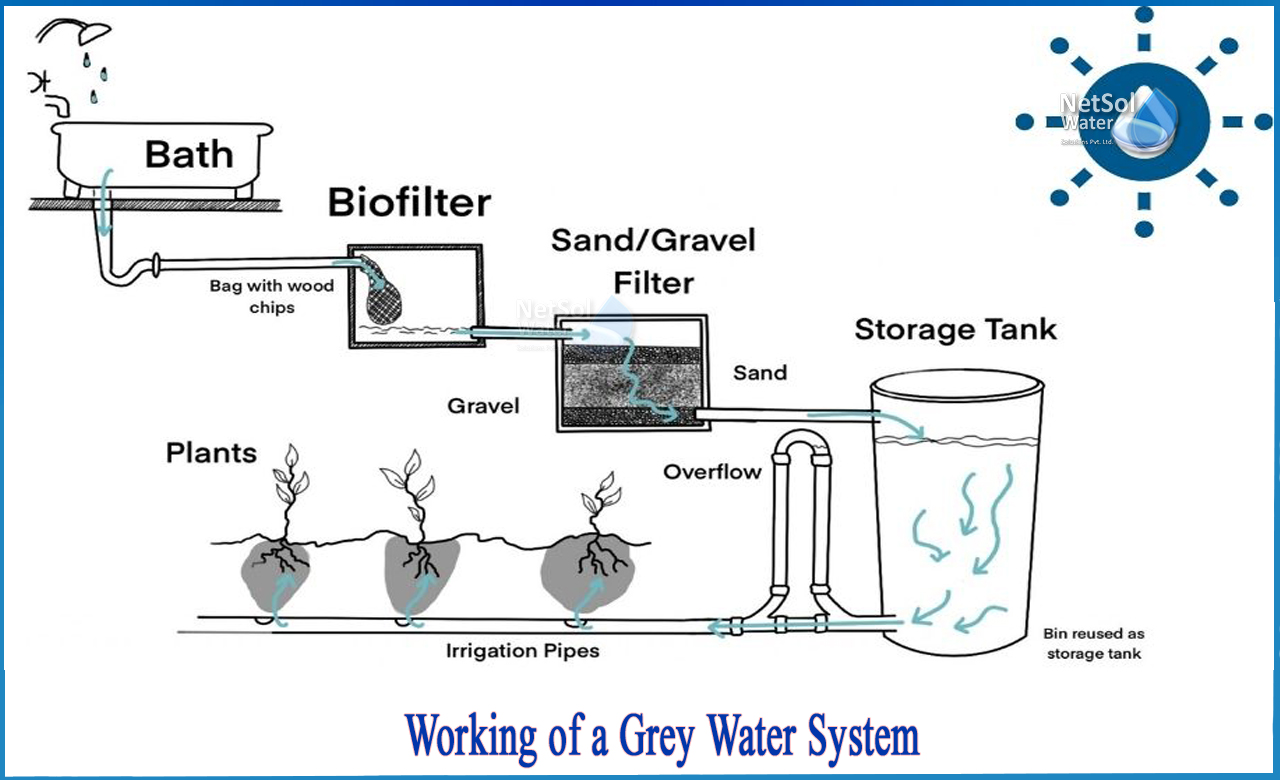
Water saving question. Am pondering the use of some grey water to water plants. Are there any soaps that are effective at washing ones hands/body that would also be safe to pour on plants like strawberries.
25
Replies
·
0
Boosts


@quixoticgeek non-scientific answer:
My dad has been doing this for a number of years without observed adverse effects.


"soap" is one of those words that has a narrower specific meaning and a broader colloquial meaning.
The latter have gotten muddled up elsewhere in this thread, which is the part I want to address here.
Its specific meaning that is getting used in the thread is a sodium or potassium salt of a fatty acid, historically made by hydrolyzing a naturally-occuring fat or oil harvested from plant or animal sources using lye or caustic soda, but sometimes now made from fossil carbon sources ("olefins").
But you're using it here in the sense of "washing up liquid." As such a term that might be a lot more useful is the broader class of "detergents"
Similarly, "salt" has a narrow meaning that I think people tend to know well enough, ordinary table salt, sodium chloride.
Yes, it does tend to kill plants if it builds up.
How much is in any washing up liquid, though? Not sure.
Soap is "a salt" but it is not that salt.
The broader term "salt" describes a class of molecular structures characterized by two or more components each of which individually carry a net electrical charge (ions) but form a neutral bulk substance in combination.
Its more of a structural description than anything.
Hand detergents can kill micro-organisms. But another way they work is more simply by helping remove them from your hands into the water.
How that nets out in terms of killing beneficial soil microbes on the one hand (😜) versus you inadverently washing pathogens into your houseplants on the other, I can't say.
@idlestate yeah. I'm talking about the liquid goo I pump on my hands then add water to to make my hand clean...


@Ambulocetus yeah, but use the wrong soap and you kill all the beneficial microbes.


@quixoticgeek virtually all soaps contain salts, which can be extremely harmful to plants. Soapy water is potassium rich, which strawberries love, but regularly using soapy water is not good for them as the salts will build up and kill the plant eventually.


@BigTittyBimbo potassium and magnesium too, right?
@wyatt_h_knott @quixoticgeek unsure about magnesium personally, I can imagine there are a few other nasties in there too, including chlorated chemicals. I can't imagine chlorine salts are any good for plants


@BigTittyBimbo @wyatt_h_knott @quixoticgeek From Wikipedia:
"Plants must obtain the following mineral nutrients from their growing medium:
- The macronutrients: nitrogen (N), phosphorus (P), potassium (K), calcium (Ca), sulfur (S), magnesium (Mg), carbon (C), hydrogen (H), oxygen (O)
- The micronutrients (or trace minerals): iron (Fe), boron (B), chlorine (Cl), manganese (Mn), zinc (Zn), copper (Cu), molybdenum (Mo), nickel (Ni)"
Magnesium: very necessary, they need quite a lot. Chlorine: also necessary, they need only a little.
You can burn a plant with too much of anything, of course, and I imagine that's more dangerous with the micronutrients ("salting the Earth" isn't a saying for nothing), but let's not go overboard.
Personally, I would perform small-scale tests. Gray water's going to be far more water than soap, and soap is far more other things than salt, so even normal soap could be fine, and there are definitely some plants that are going to be more sensitive than others.
Anecdotally, I've known people who would routinely spray their garden plants with dish soap as a pest control measure.
@quixoticgeek Soap is saponified fats and minerals. It's actually fertilizer. Avoid the stuff with perfumes and you should be fine.
@wyatt_h_knott it's not going to kill soil bacteria? Or other helpful micro fauna?
@quixoticgeek I don't think so. We have had problems in the past with gray water discharges into the lake because they actually cause algal blooms. Like I said, fertilizer. Not pesticide.
