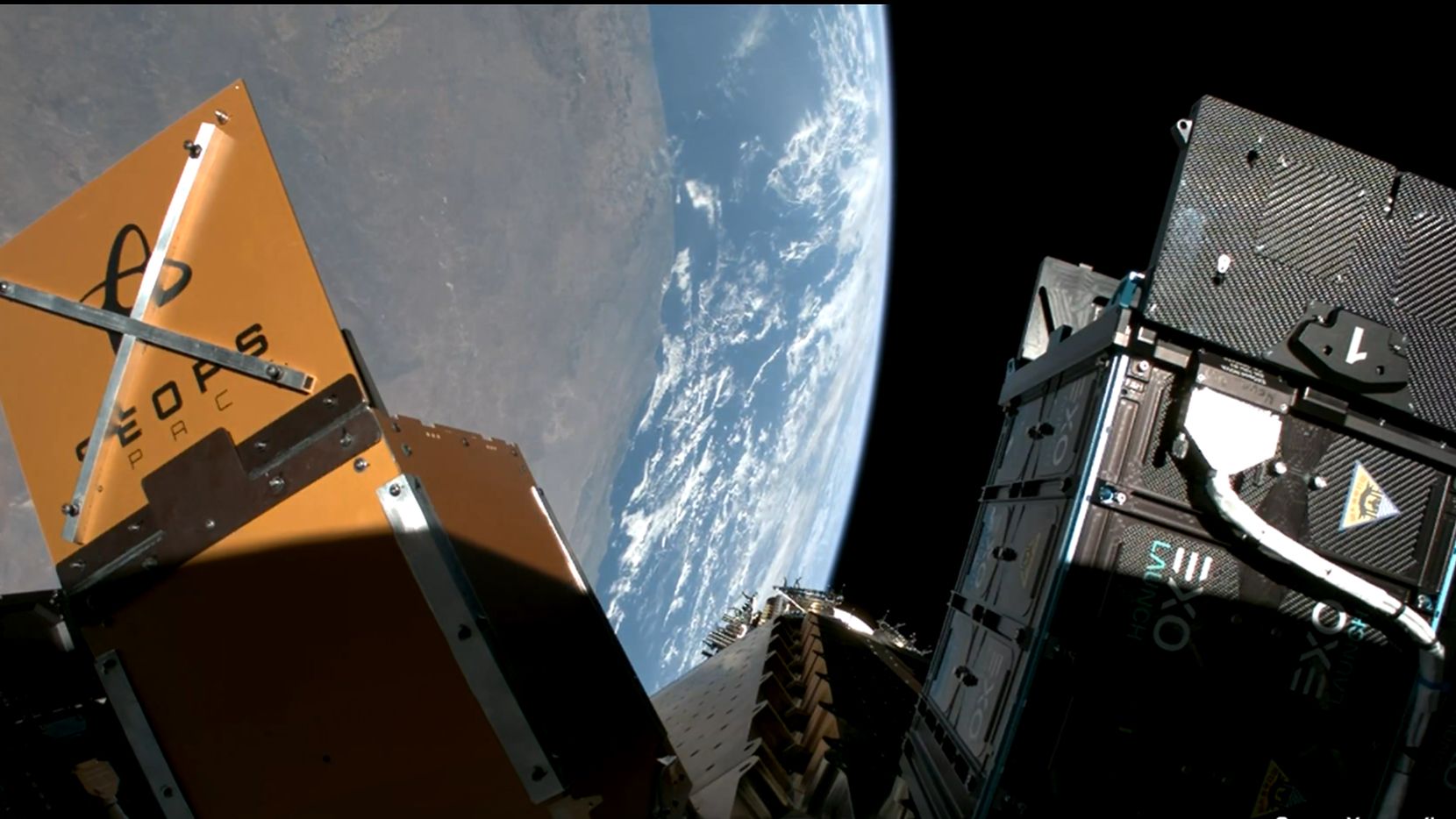

HAHAHA FUCK SpaceX just launched a nuclear powered satellite.
Sounds like this particular satellite is tiny and doesn't have a lot of tritium on board but HOLY SHIT this is a bad precedent.
Discussion
HAHAHA FUCK SpaceX just launched a nuclear powered satellite.
Sounds like this particular satellite is tiny and doesn't have a lot of tritium on board but HOLY SHIT this is a bad precedent.
@sundogplanets a little mustard flavor to the Kessler popcorn pot.
Elon Musk's initial nuclear fuel-based satellite is proof of concept. One satellite with a small amount of tritium might be neither here nor there. Can we say that about 10,000 much bigger ones?
next year, oil lobby will push gas turbine poweres satellites
@sundogplanets More worrysome is the risk of explosiom at launch or shortly thereafter. With next to 0 speed, whatever radioactive material won't "burn up on re-entry" and will just spread and will still be very young from a half life point of view.
@sundogplanets Holy shit. This is *bad*.
@sundogplanets I don't smoke but some days I think about taking it up
@sundogplanets is it a commercial or military satellite?
@sundogplanets when I though there wasn't anything worse than "constellation satellites raining trash on you", yup, there's "constellation satellites raining radioactive trash on you" 😤
@sundogplanets why not harness and convert beta particles from the Van Allan Belt?
@sundogplanets Apart from the fact that it is blatantly illegal, extremely dangerous, and absurdly risky... what could possibly go wrong?
@sundogplanets this should never have happened. Jesus fucking christ.
@sundogplanets Also, tritium is probably fairly ok if it gets released high in the atmosphere (far away from most organisms and its decay product is stable). If it was released close to where living things might inhale it, that could be a problem, however I suspect an exploding rocket wouldn't be very good for their health either. I also completely agree with you about it setting a bad precedent.
@sundogplanets it’s curious that I had to do my own research into the half life of tritium, how it permates through our atmosphere and oceans and what the various different regulatory limits are. The editors at Space.com clearly don’t think that the full lifecycle of spacecraft is anything their typical reader might be interested in.

Install bonfire.cafe
Get the full app experience