RE: https://mastodon.social/@FabMusacchio/116529625252630872
I mean yes the perspective is wrong (it can be wrong on real photos as well due to lens distortion), but these sample images _scream_ gen AI because they're so bland and plasticky
Post
RE: https://mastodon.social/@FabMusacchio/116529625252630872
I mean yes the perspective is wrong (it can be wrong on real photos as well due to lens distortion), but these sample images _scream_ gen AI because they're so bland and plasticky
@thomasfuchs This particular technique (perspective lines) is interesting to me, as a more sophisticated check for images where I can’t identify a specific “tell” but still have reason to doubt an image’s authenticity.
That’s the value I see here, and why I appreciate the OP. I have one more tool, and a fairly subtle one, which I can now apply methodically to disprove dubious hypotheses about an image’s plausibility.
@cmdrmoto I guess my point is more that they should have used sample images that weren't so obvious
@thomasfuchs There is a German word for the plasticky ickyness that some readers might enjoy as much as I do:
@thomasfuchs Lens distortion that leaves straight, parallel lines straight, but rotates them so they no longer meet at a common point would be a bit weird though. Same with the shadows. There I could see lens distortion producing multiple apparent vanishing points but they should reflect the distortion then and not be randomly distributed, I think. E.g. for a fisheye lens the intersections should come further down in the image for shadows further to the edges, if my mental model is correct.
@namenlos there's some fun lenses out there, just sayin', so are effects filters
e.g. a vortex filter will cause perspective to be out of whack, and it's all just light captured in-camera
@thomasfuchs it’s the weird blurring, usually of backgrounds. i still don't understand the line concept they’re using, but i guess my brain sees it. am neurodivergent and astigmatic. the software seems to have been developed by people who needed glasses. or maybe people who thought they could create an artificial astigmatism to make it harder to see the mistakes. but astigmatism is different in every person, so my brain tries to correct immediately cuz i see blurs in places i normally don’t.
@blogdiva It's hard to ascribe it exactly because firstly everyone's brain is different (as you say!) and secondly pattern recognition in the brain is normally not a conscious thought process.
I'm also neurodivergent and I'm weirdly good at spotting discrepancies and errors (e.g. I often spot typos on a page of text without even reading it, within a second or two).
I think it's combination of things for gen AI imagery:
1. Composition: usually objects are symmetrical and centered, too "perfect" for a snapshot
2. Light or shadows looking "off"
3. Blur/bokeh appears wrong
4. "Plasticky" appearance, especially for faces and animals
5. Obvious tells; like too many fingers or nonsensical image elements (e.g. the chains on the soldiers)
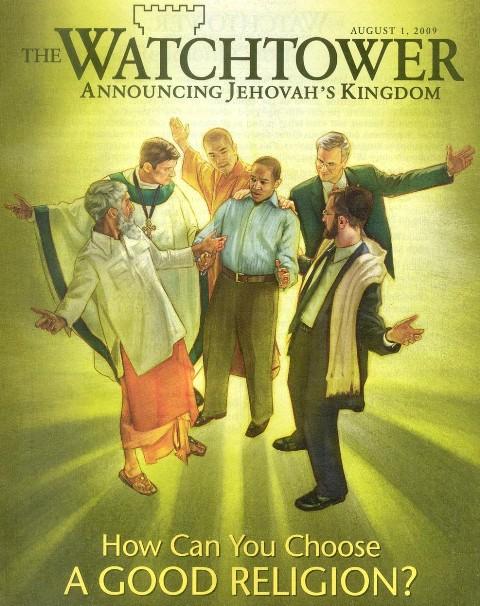
@thomasfuchs the plastickiness really is something. i call it the evangelical effect. have you ever read a Watchtower or Ensign magazine? once you compare an extruded image to what you see in jwitness or mormon propaganda, you can't unsee it.
@blogdiva I've seen some artists specifically make photos that _look like AI_ (even though they aren't); and it turns out it takes a lot of work to make that happen.

Install bonfire.cafe
Get the full app experience