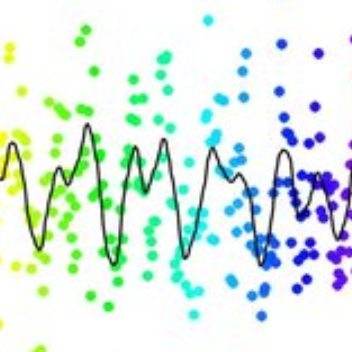

It always amazes me how much we can explain using mixed-effects models.
#Statistics #modeling #lmer #rstats #lme4 #Bioinformatics #DataScience
Post
It always amazes me how much we can explain using mixed-effects models.
#Statistics #modeling #lmer #rstats #lme4 #Bioinformatics #DataScience
@rohitfarmer
True. What did you use it for?
@devSJR to model the change in immunity over time during space flights among NASA astronauts. I am modeling how inter-subject variation differs from within-subject variation over time for a viral infection. We have used PhIP-Seq, a high-throughput technique, to profile changes in the antibody repertoire. Hopefully, I will get the paper submitted this year.
@rohitfarmer
First time I heard about PhIP-Seq was some time ago in
https://academic.oup.com/bioinformatics/article/39/10/btad583/7280694
Sounds super interesting. Just to get an idea, can you say sth about the samples (number, time points ...)?
@devSJR We use PhIP-Stat for most of our analysis. In this project, we performed PhIP-Seq on 11 subjects across 7 time points using one of our in-house libraries. We identified a few species of interest that are enriched, and now I am modeling whether the antibody response that we have detected changes over time, along with other effects. It's still at an early stage.


Install bonfire.cafe
Get the full app experience