Discussion
Loading...

Post

Log in
  • About
  • Code of conduct
  • Privacy
  • Users
  • Instances
  • About Bonfire
Camellia Tea Ceremony
@camelliakyoto@mastodon.social  ·  activity timestamp 5 days ago

Roasted soybeans called 'fukumame' (福豆 'fortune beans') are thrown out of open doorways (or at brave family members dressed as oni) while everyone yells📢

"Devils out! Fortune in!"
(鬼は外! 福は内!).
The doors are then slammed firmly shut, trapping any misfortune outside.
#節分

Woodblock print of a kabuki actor casting out oni by throwing roasted soy beans. The gods Daikokuten and Ebisu (harbingers of good fortune) look on.

Image thanks - https://ja.ukiyo-e.org/
Woodblock print of a kabuki actor casting out oni by throwing roasted soy beans. The gods Daikokuten and Ebisu (harbingers of good fortune) look on. Image thanks - https://ja.ukiyo-e.org/
  • Copy link
  • Flag this post
  • Block
Camellia Tea Ceremony
@camelliakyoto@mastodon.social replied  ·  activity timestamp 3 days ago

The bean scatterer is traditionally a male family member born on the zodiac sign of the new year (年男), or else the male family head🙄

For good luck family members eat 1 soybean for each year of their life, plus 1 extra for the new year.

#Setsubun #節分

4 media
Tiny felt red and blue oni with lucky beans and makizushi.
  • Copy link
  • Flag this comment
  • Block
Camellia Tea Ceremony
@camelliakyoto@mastodon.social replied  ·  activity timestamp 3 days ago

How old you are at Setsubun is based on 'kazoedoshi' (数え年), the traditional system of calculating age in Japan. A child is counted as 1 year old at birth, and on New Year's Day (old Japanese calendar) another year is added.

Happy Birthday to Nao-san! She's a Setsubun baby🎂🥳🥂

4 media
Nao-san bows to a deer in Nara Park.
Nao-san frolicking amongst golden ginkgo leaves.
Nao-san performing an outdoor tea ceremony on a bridge far above the Doro Gorge.
Nao-san enjoys a snowy day at Garden Teahouse.
  • Copy link
  • Flag this comment
  • Block
Camellia Tea Ceremony
@camelliakyoto@mastodon.social replied  ·  activity timestamp 3 days ago

Why are beans thrown?

While some have suggested that 'mame' (豆 'bean') is a homonym for 'mame' (魔滅), which can be translated as 'demon extermination', a more simple explanation may be that beans, like seeds, symbolize the promise of new life (and are extremely nutritious).

4 media
Goshiki-mame (五色豆), sugar-coated roasted soybeans (typically coloured white, yellow, red, brown and green), are a popular Kyōto confection eaten at Setsubun and for other celebrations.
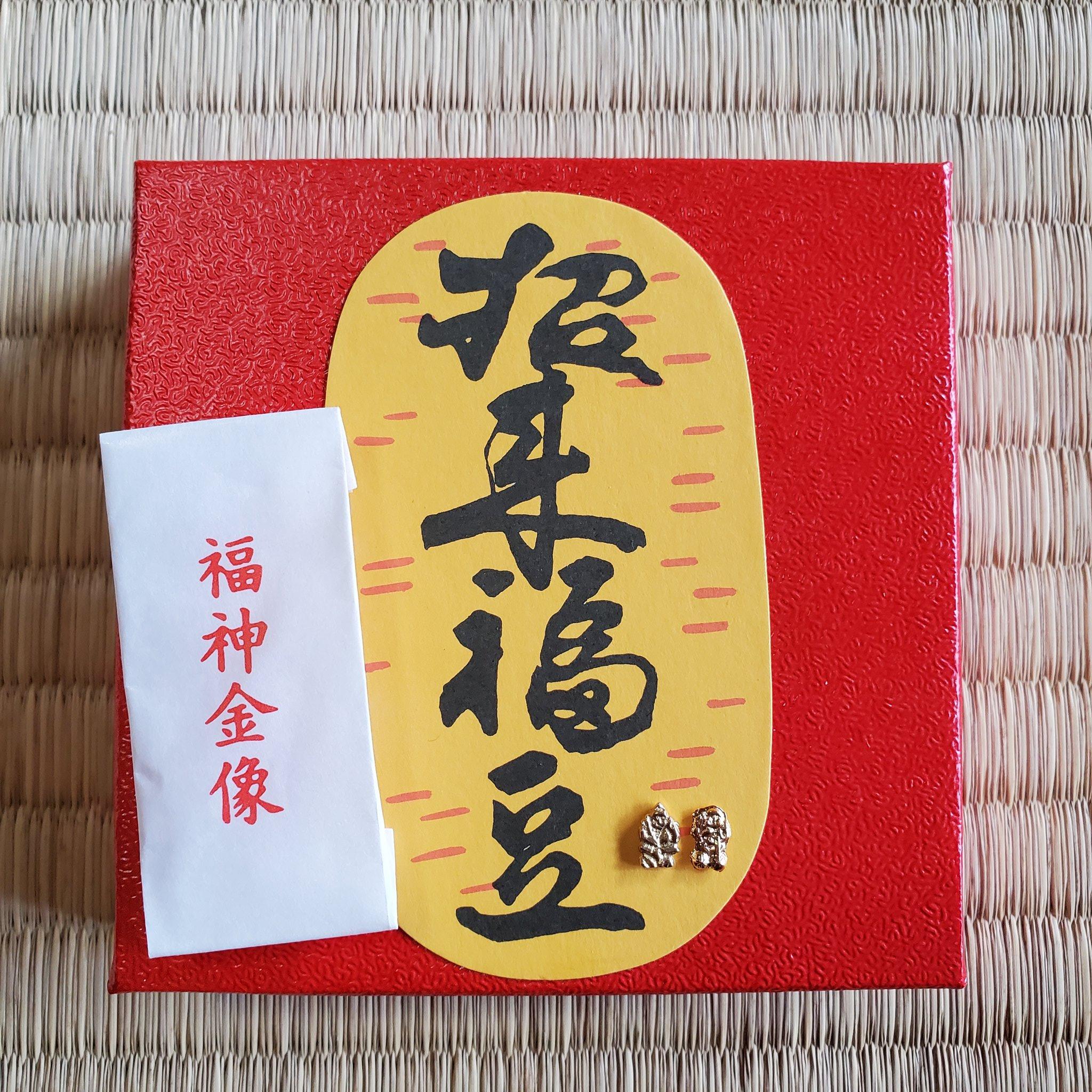
Mamemasa Honten's 'goshiki-mame' and 'fuku-mame' come in a beautifully decorated box (with good luck Ebisu and Daikokuten charms)!
Kyokado Toshiyasu's 'fukuho' (福寶 'lucky treasure'). Azuki beans are layered with kinako soybean flour and molasses, creating the perfect bite-size snack🍬😋
  • Copy link
  • Flag this comment
  • Block
Camellia Tea Ceremony
@camelliakyoto@mastodon.social replied  ·  activity timestamp 3 days ago

Like traditional Halloween and Christmas, Setsubun was considered to be a topsy-turvy time when normal rules were turned on their head.
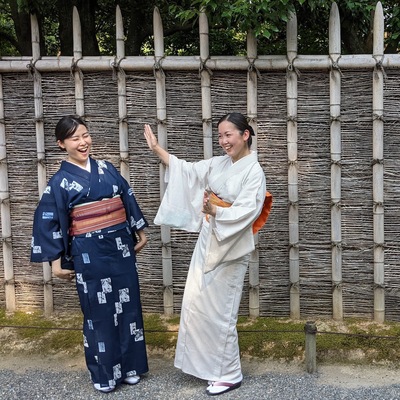
Cross-dressing and wearing disguises was common. The young would dress as old people & vice versa (a tradition preserved in some Geisha districts).

4 media
Woodblock print - 'Kintoki Selling Beans to Demons' and 'Nasu-no-Yoichi in an Archery Gallery', from the series 'A Collection of Warriors for the Amusement of Children'. 

Image thanks - https://ja.ukiyo-e.org/
Woodblock print - 'Kintoki Selling Beans to Demons' and 'Nasu-no-Yoichi in an Archery Gallery', from the series 'A Collection of Warriors for the Amusement of Children'. Image thanks - https://ja.ukiyo-e.org/
Woodblock print of a boy tossing lucky beans at Setsubun.

Image thanks - https://ja.ukiyo-e.org/
Woodblock print of a boy tossing lucky beans at Setsubun. Image thanks - https://ja.ukiyo-e.org/
Woodblock print of a family celebrating Setsubun (lucky beans being eaten and thrown).

Image thanks - https://ja.ukiyo-e.org/
Woodblock print of a family celebrating Setsubun (lucky beans being eaten and thrown). Image thanks - https://ja.ukiyo-e.org/
Woodblock print of the bean throwing ceremony at Setsubun.

Image thanks - https://ja.ukiyo-e.org/
Woodblock print of the bean throwing ceremony at Setsubun. Image thanks - https://ja.ukiyo-e.org/
  • Copy link
  • Flag this comment
  • Block
Camellia Tea Ceremony
@camelliakyoto@mastodon.social replied  ·  activity timestamp 3 days ago

Somewhat mirroring the 'big clean' that takes place before New Year, Setsubun is a time to ritually sweep away bad luck in preparation for 'Risshun' (立春), the first day of spring in the old lunar calendar.
This period is known as 'Haru Matsuri' (春祭), the 'Spring Festival'.

4 media
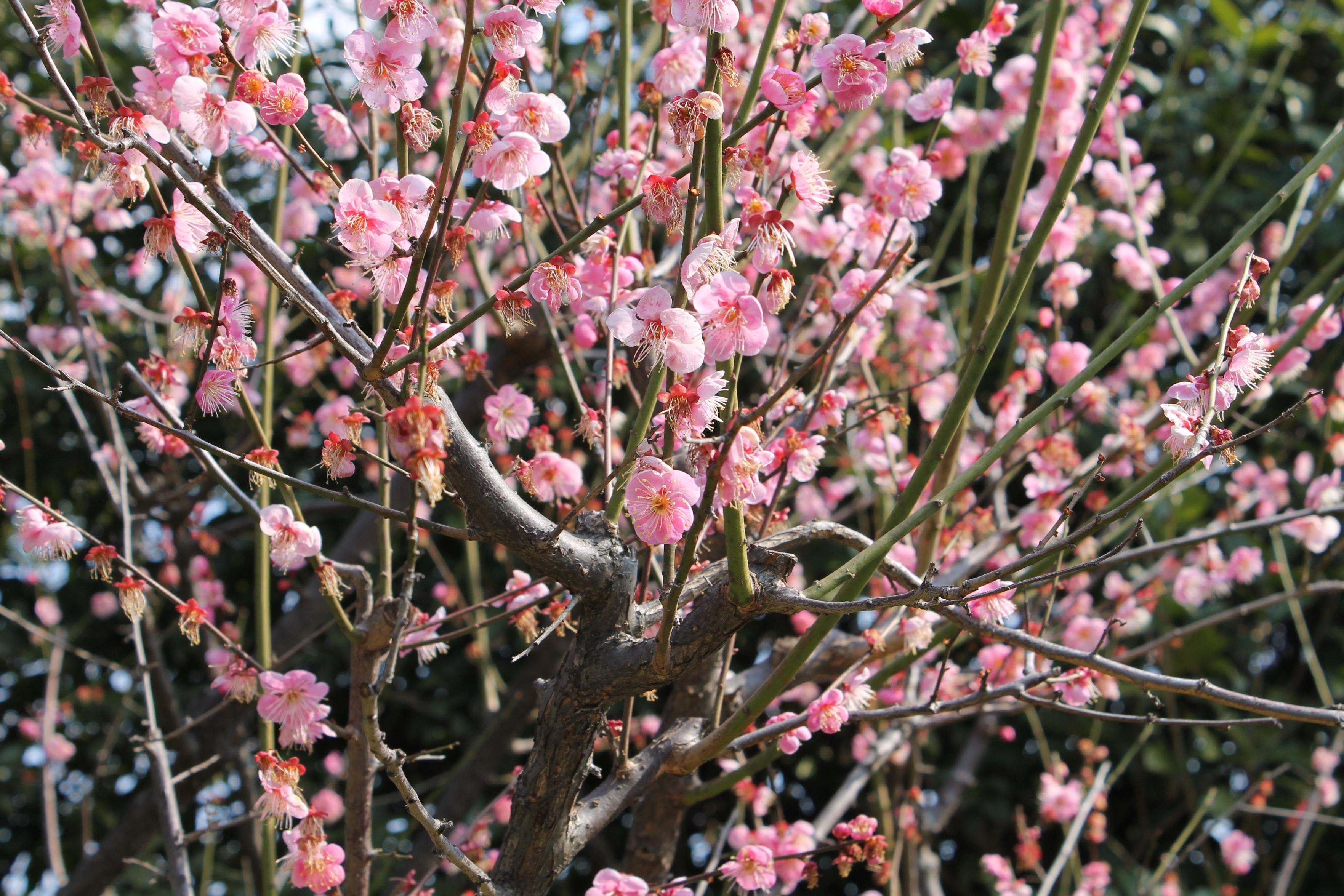
Plum blossoms in bloom at Kitano Tenmangu.
A maiko during the Baika-sai festival at Kitano Tenmangu.
Plum blossoms in bloom at Kitano Tenmangu.
Plum blossoms in bloom at Mimuroto-ji.
  • Copy link
  • Flag this comment
  • Block

bonfire.cafe

A space for Bonfire maintainers and contributors to communicate

bonfire.cafe: About · Code of conduct · Privacy · Users · Instances
Bonfire social · 1.0.2-alpha.7 no JS en
Automatic federation enabled
Log in
  • Explore
  • About
  • Members
  • Code of Conduct