Discussion
Loading...

Post

Log in
  • About
  • Code of conduct
  • Privacy
  • Users
  • Instances
  • About Bonfire
UniversityofGroningenLibrary
@Bibliothecaris@social.edu.nl  ·  activity timestamp 2 months ago

New in our electronic collection:

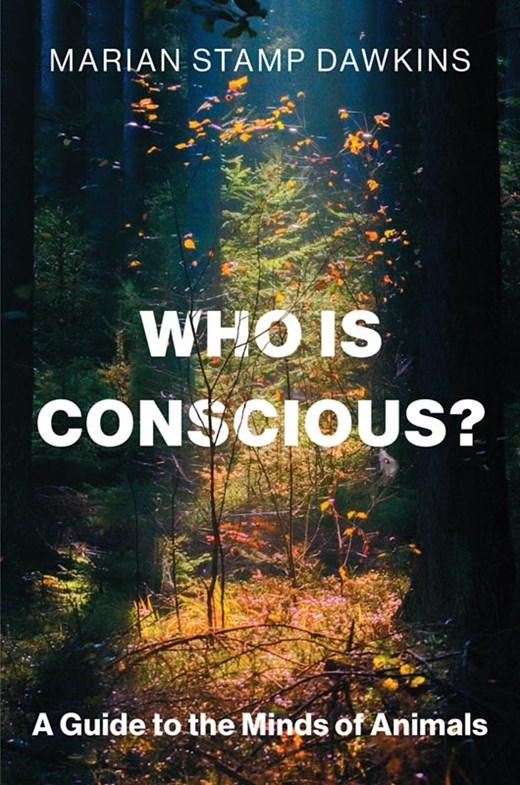
➡️ Who is Conscious? A Guide to the Minds of #Animals

🔗 https://doi.org/10.1093/9780197818657.001.0001

#OpenAccess #OpenScience #books #bookstodon #consciousness #AnimalWelfare #zoology #ecology

Book cover featuring a sunlit forest scene with the title "Who Is Conscious? A Guide to the Minds of Animals" Author: Marian Stamp Dawkins
  • Copy link
  • Flag this post
  • Block
earthling
earthling
@appassionato@mastodon.social replied  ·  activity timestamp 2 months ago

@Bibliothecaris

See also:

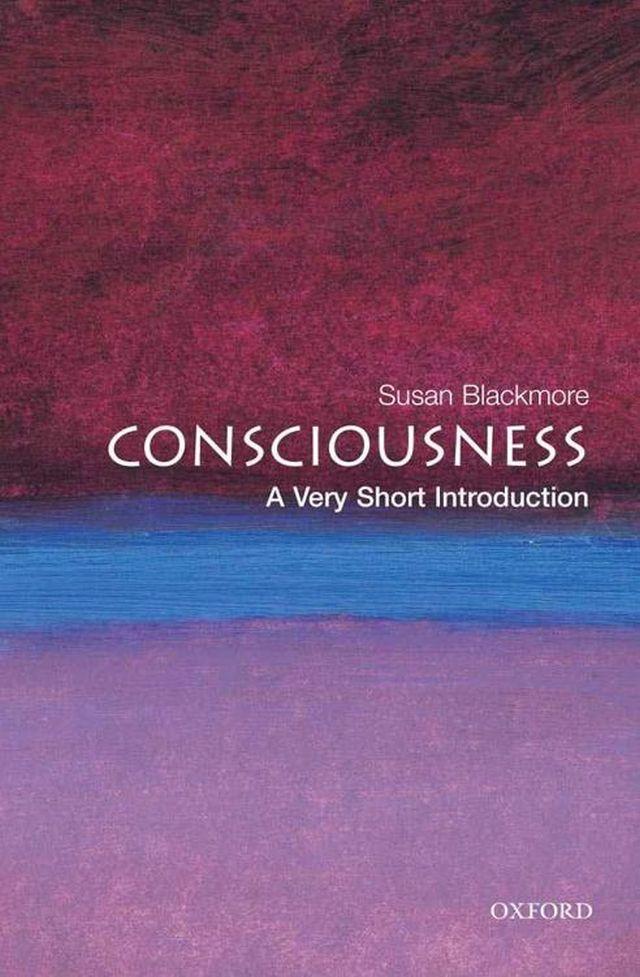
Consciousness: A Very Short Introduction by Susan Blackmore, 2005

Challenges readers to reconsider key concepts such as personality, free will, and the soul. How can a physical brain create our experience of the world? What creates our identity? Do we really have free will? Could consciousness itself be an illusion?

#books
#nonfiction
#consciousness

Exciting new developments in brain science are opening up these debates, and the field has now expanded to include biologists, neuroscientists, psychologists, and philosophers. This book clarifies the potentially confusing arguments and clearly describes the major theories, with illustrations and lively cartoons to help explain the experiments. Topics include vision and attention, theories of self, experiments on action and awareness, altered states of consciousness, and the effects of brain damage and drugs. This lively, engaging, and authoritative book provides a clear overview of the subject that combines the perspectives of philosophy, psychology, and neuroscience--and serves as a much-needed launch pad for further exploration of this complicated and unsolved issue.
  • Copy link
  • Flag this comment
  • Block

bonfire.cafe

A space for Bonfire maintainers and contributors to communicate

bonfire.cafe: About · Code of conduct · Privacy · Users · Instances
Bonfire social · 1.0.1-beta.35 no JS en
Automatic federation enabled
Log in
  • Explore
  • About
  • Members
  • Code of Conduct