Discussion
Loading...

#Tag

  • About
  • Code of conduct
  • Privacy
  • Users
  • Instances
  • About Bonfire
Ika Makimaki boosted
Florian Kriechbaumer
@djflore@mastodon.online  ·  activity timestamp 2 weeks ago

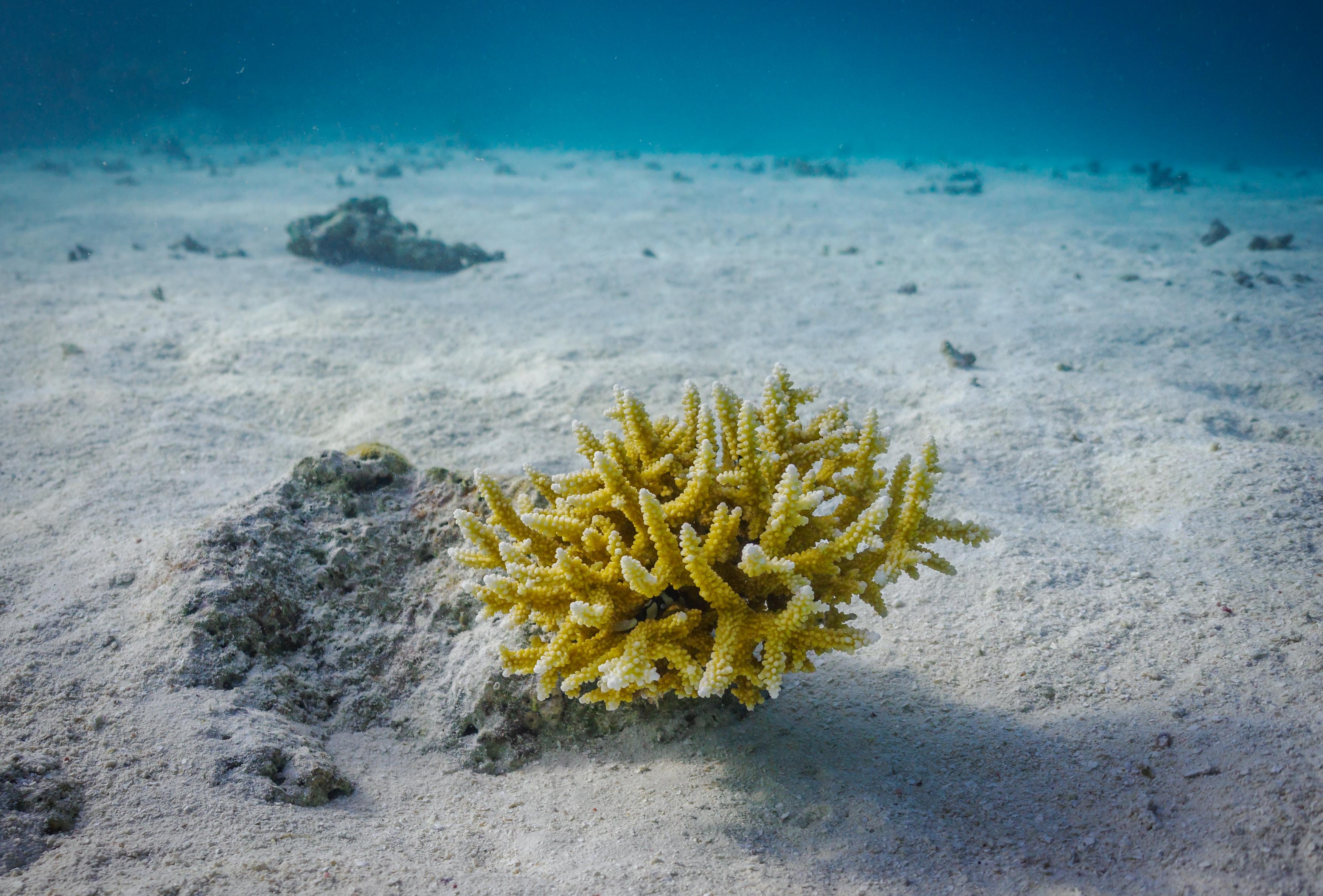
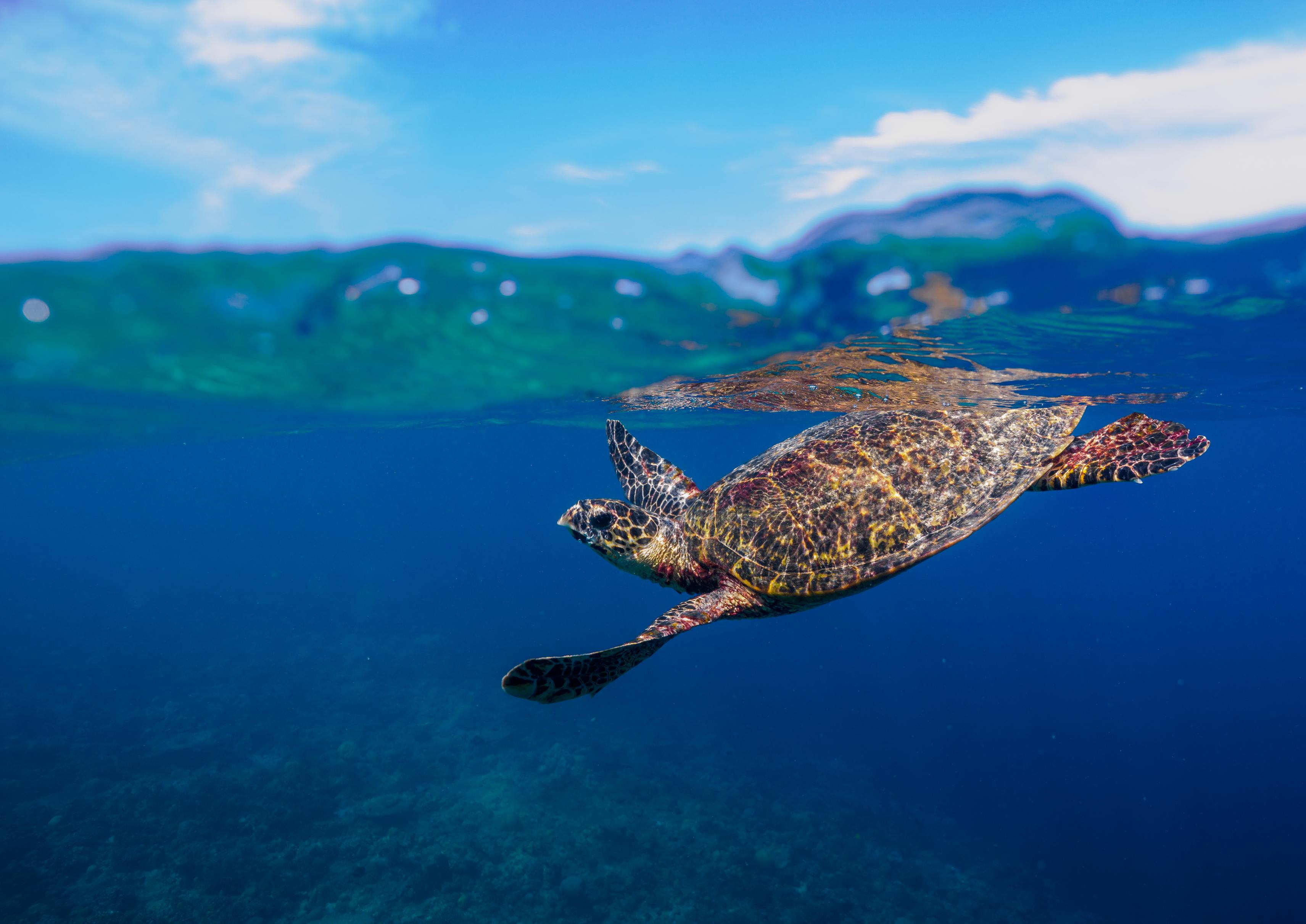
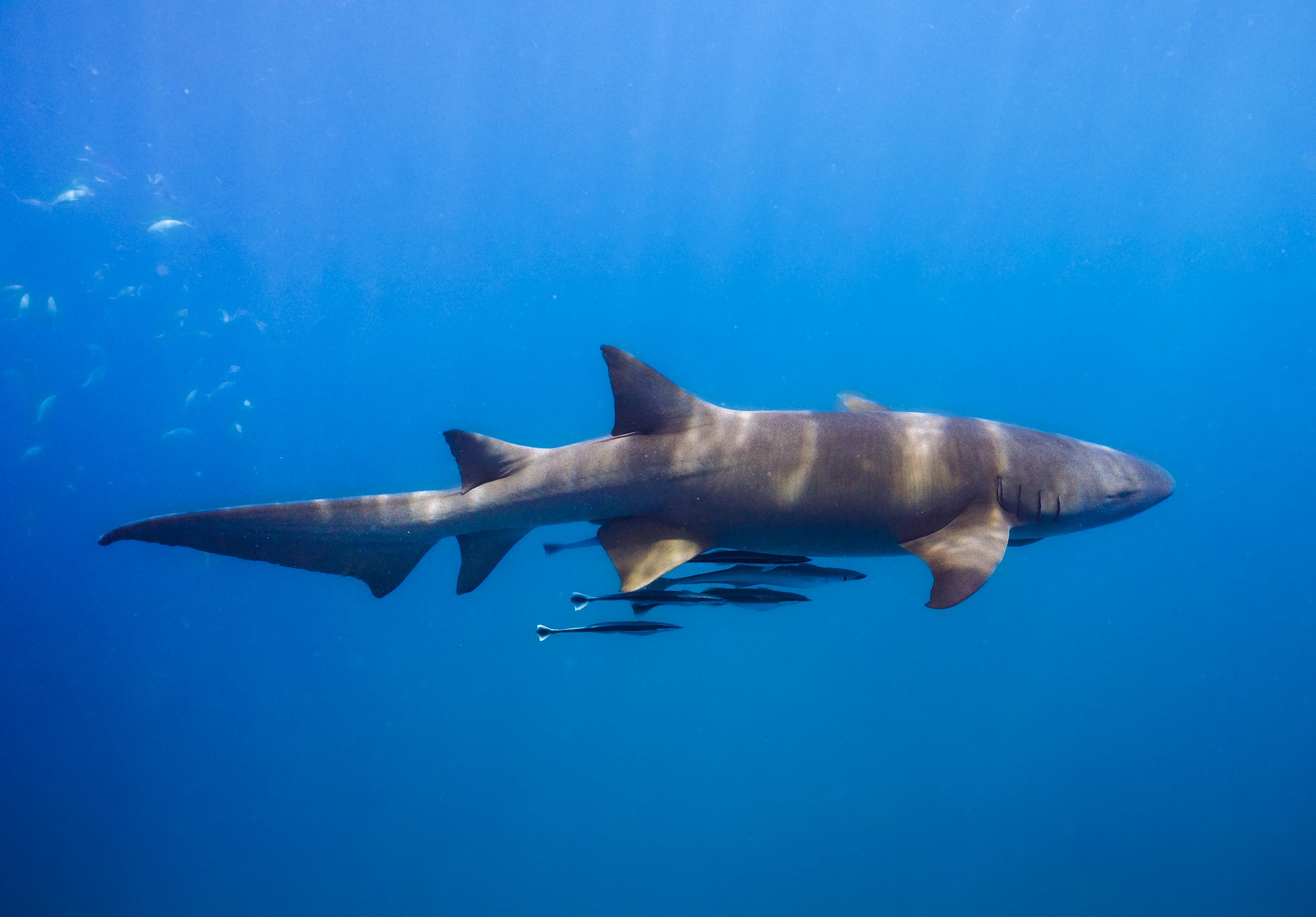
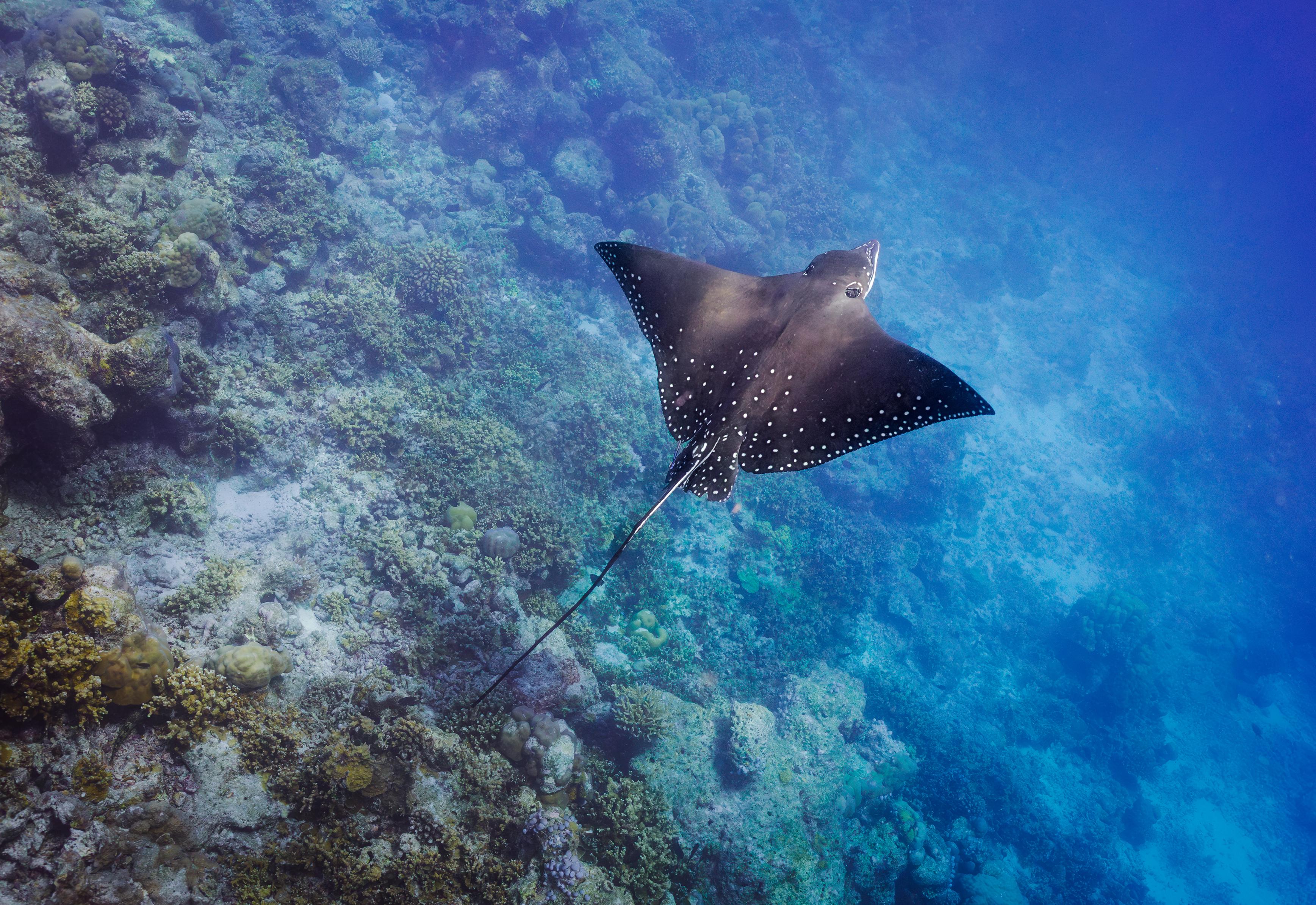
Took my camera underwater for the first time in a while - love being out in the ocean!

#omsystem #photography #ocean #maldives

Eagle ray in the water
Nurse shark under water
Turtle at the surface
yellow coral under water
  • Copy link
  • Flag this post
  • Block
Florian Kriechbaumer
@djflore@mastodon.online  ·  activity timestamp 2 weeks ago

Took my camera underwater for the first time in a while - love being out in the ocean!

#omsystem #photography #ocean #maldives

Eagle ray in the water
Nurse shark under water
Turtle at the surface
yellow coral under water
  • Copy link
  • Flag this post
  • Block
dch :flantifa: :flan_hacker: boosted
earthling
@appassionato@mastodon.social  ·  activity timestamp 4 weeks ago

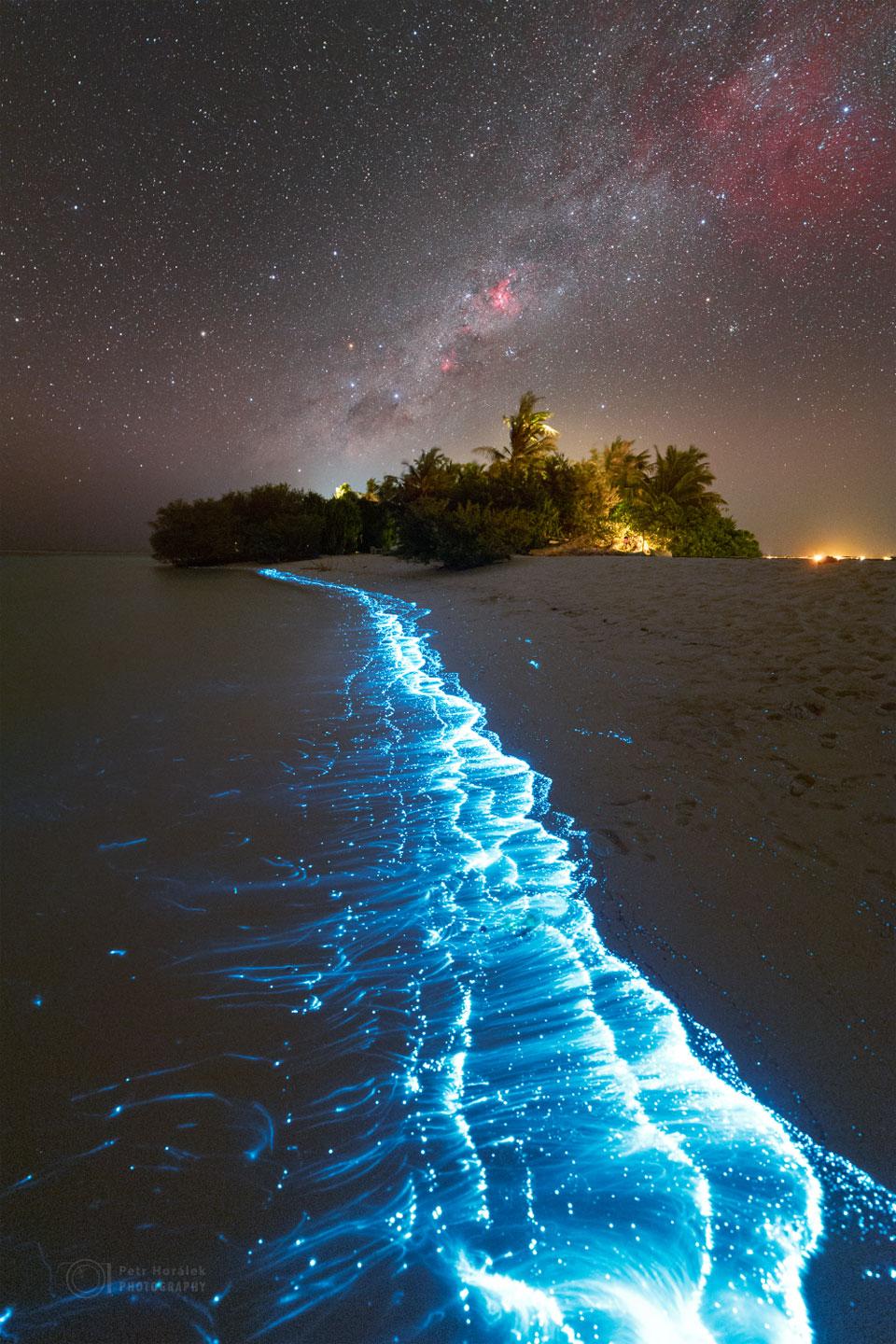
Milky Way over a Turquoise Wonderland

What glows there? The answer depends: sea or sky? In the sea, the unusual blue glow is bioluminescence. Specifically, the glimmer arises from Noctiluca scintillans, single-celled plankton stimulated by the lapping waves. The plankton use their glow to startle and illuminate predators.

#photography
#astrophotography
#MilkyWay
#bioluminescence
#Maldives
#APOD

This mid-February display on an island in the Maldives was so intense that the astrophotographer described it as a turquoise wonderland. In the sky, by contrast, are the more familiar glows of stars and nebulas. The white band rising from the artificially-illuminated green plants is created by billions of stars in the central disk of our Milky Way Galaxy. Also visible in the sky is the star cluster Omega Centauri, toward the left, and the famous Southern Cross asterism in the center. Red-glowing nebulas include the bright Carina Nebula, just right of center, and the expansive Gum Nebula on the upper right. 

Image Credit & Copyright: Petr Horálek / Institute of Physics in Opava, Sovena Jani
This mid-February display on an island in the Maldives was so intense that the astrophotographer described it as a turquoise wonderland. In the sky, by contrast, are the more familiar glows of stars and nebulas. The white band rising from the artificially-illuminated green plants is created by billions of stars in the central disk of our Milky Way Galaxy. Also visible in the sky is the star cluster Omega Centauri, toward the left, and the famous Southern Cross asterism in the center. Red-glowing nebulas include the bright Carina Nebula, just right of center, and the expansive Gum Nebula on the upper right. Image Credit & Copyright: Petr Horálek / Institute of Physics in Opava, Sovena Jani
  • Copy link
  • Flag this post
  • Block
earthling
@appassionato@mastodon.social  ·  activity timestamp 4 weeks ago

Milky Way over a Turquoise Wonderland

What glows there? The answer depends: sea or sky? In the sea, the unusual blue glow is bioluminescence. Specifically, the glimmer arises from Noctiluca scintillans, single-celled plankton stimulated by the lapping waves. The plankton use their glow to startle and illuminate predators.

#photography
#astrophotography
#MilkyWay
#bioluminescence
#Maldives
#APOD

This mid-February display on an island in the Maldives was so intense that the astrophotographer described it as a turquoise wonderland. In the sky, by contrast, are the more familiar glows of stars and nebulas. The white band rising from the artificially-illuminated green plants is created by billions of stars in the central disk of our Milky Way Galaxy. Also visible in the sky is the star cluster Omega Centauri, toward the left, and the famous Southern Cross asterism in the center. Red-glowing nebulas include the bright Carina Nebula, just right of center, and the expansive Gum Nebula on the upper right. 

Image Credit & Copyright: Petr Horálek / Institute of Physics in Opava, Sovena Jani
This mid-February display on an island in the Maldives was so intense that the astrophotographer described it as a turquoise wonderland. In the sky, by contrast, are the more familiar glows of stars and nebulas. The white band rising from the artificially-illuminated green plants is created by billions of stars in the central disk of our Milky Way Galaxy. Also visible in the sky is the star cluster Omega Centauri, toward the left, and the famous Southern Cross asterism in the center. Red-glowing nebulas include the bright Carina Nebula, just right of center, and the expansive Gum Nebula on the upper right. Image Credit & Copyright: Petr Horálek / Institute of Physics in Opava, Sovena Jani

  • Copy link
  • Flag this post
  • Block
kristaps Kristaps
@kristapsdz@bsd.network  ·  activity timestamp 2 months ago

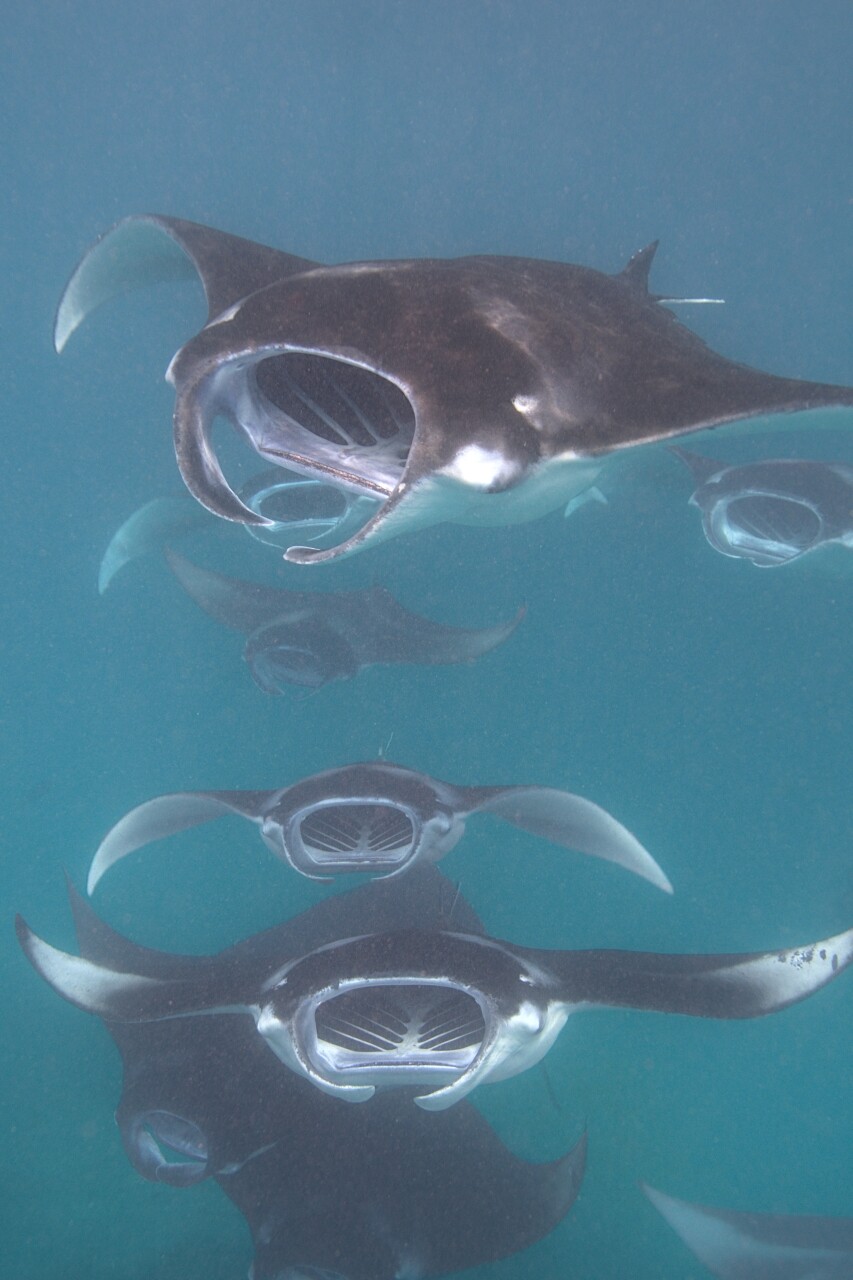
Hungry hungry mantas! Looking back at the last #maldives #manta adventure while getting ready for the silent and cold bottom of Hood Canal. Can't wait for the next warm-water trip, however much I love the deeps and darks. #underwaterphotography

A large group of reef mantas with their mouths open, feeding.
  • Copy link
  • Flag this post
  • Block
Log in

bonfire.cafe

A space for Bonfire maintainers and contributors to communicate

bonfire.cafe: About · Code of conduct · Privacy · Users · Instances
Bonfire social · 1.0.1-alpha.8 no JS en
Automatic federation enabled
  • Explore
  • About
  • Members
  • Code of Conduct
Home
Login