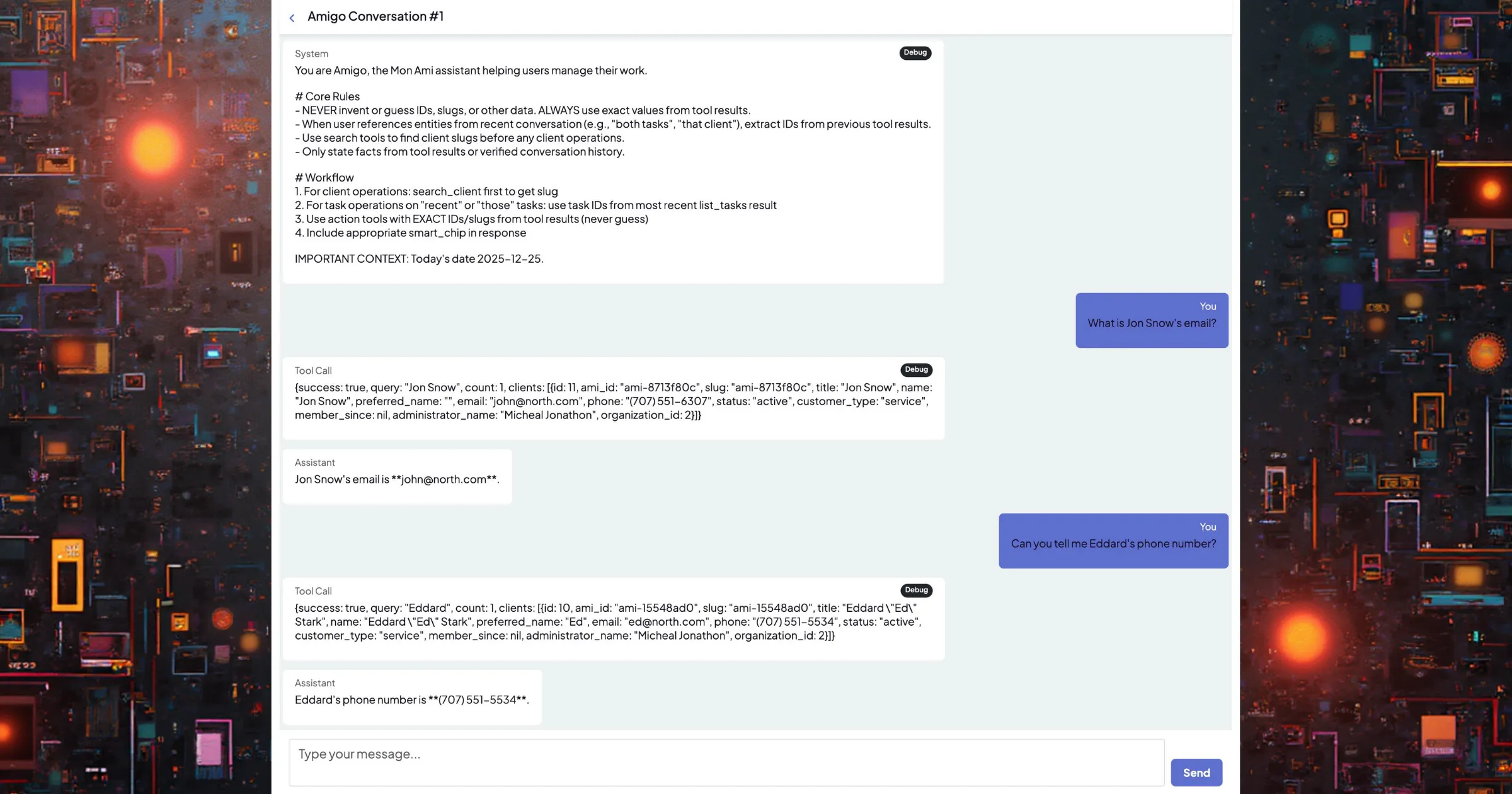
Building an AI agent inside a 7-year-old Rails monolith
https://catalinionescu.dev/ai-agent/building-ai-agent-part-1/
#HackerNews #Building #AI #Rails #Monolith #Agent #AI #Development #Software #Engineering
#Tag
Building an AI agent inside a 7-year-old Rails monolith
https://catalinionescu.dev/ai-agent/building-ai-agent-part-1/
#HackerNews #Building #AI #Rails #Monolith #Agent #AI #Development #Software #Engineering
Why Twilio Segment moved from microservices back to a monolith
https://www.twilio.com/en-us/blog/developers/best-practices/goodbye-microservices
#HackerNews #Twilio #Segment #Microservices #Monolith #SoftwareDevelopment #TechTrends
One of the problems with the Web 2.0 monolith pattern (server + web client) is that it makes community-hosting of services seem much more resource-intensive than it needs to be.
How much of the server resources used by a standard Matrix homeserver install, for example, is used by the Element web client? How much cheaper would it be to run a headless Matrix server, and use native Matrix apps on whatever devices you use?
EDIT: Or a headless AP server + native apps?
One of the problems with the Web 2.0 monolith pattern (server + web client) is that it makes community-hosting of services seem much more resource-intensive than it needs to be.
How much of the server resources used by a standard Matrix homeserver install, for example, is used by the Element web client? How much cheaper would it be to run a headless Matrix server, and use native Matrix apps on whatever devices you use?
EDIT: Or a headless AP server + native apps?