Discussion
Loading...

#Tag

Log in
  • About
  • Code of conduct
  • Privacy
  • Users
  • Instances
  • About Bonfire
Camellia Tea Ceremony
@camelliakyoto@mastodon.social  ·  activity timestamp 5 months ago

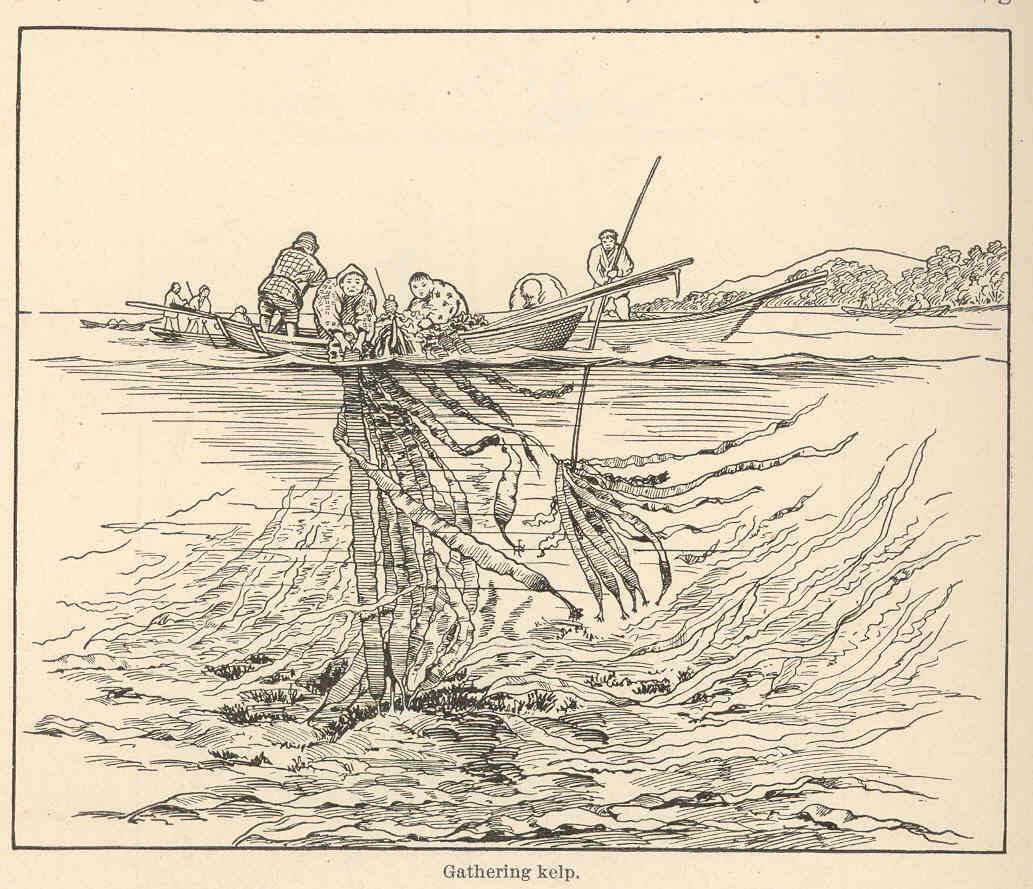
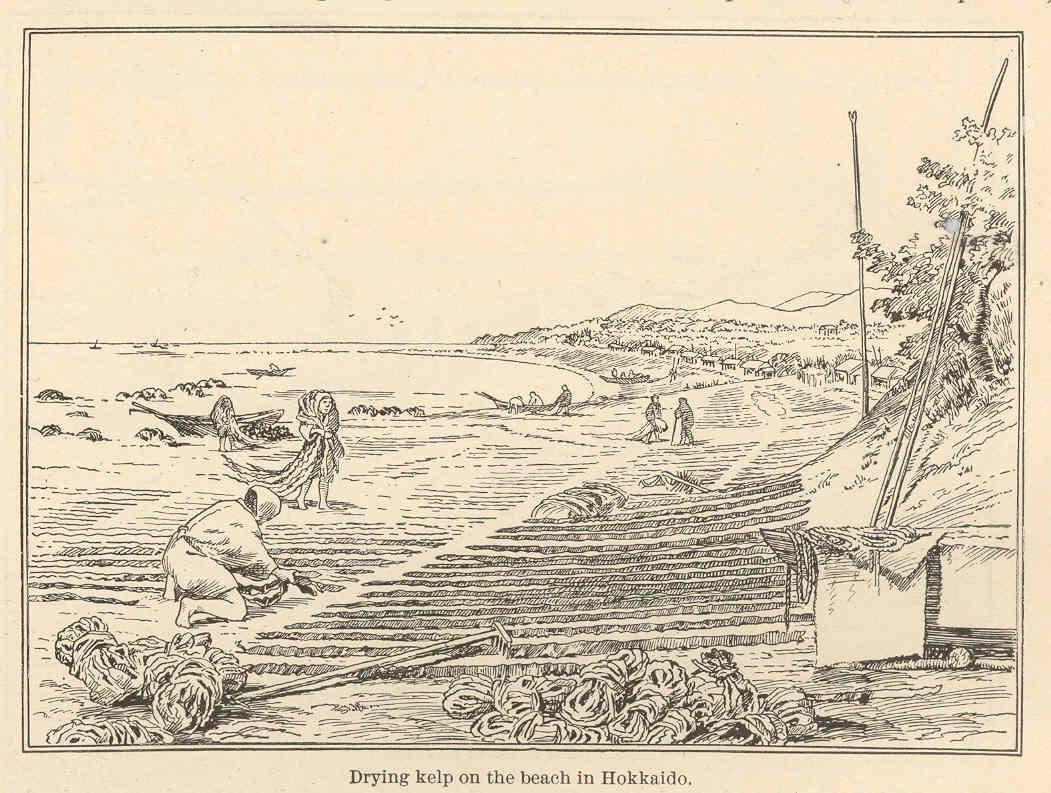
Until the early Edo period villagers had harvested naturally growing algae by hand (in the 8thC it is recorded that some fishermen paid their taxes to the emperor in kelp), but farming allowed for cheaper and more readily available seaweed (a valuable food source in winter).

#seaweed #wakame #nori

4 media
Diagram of fishermen gathering kelp.
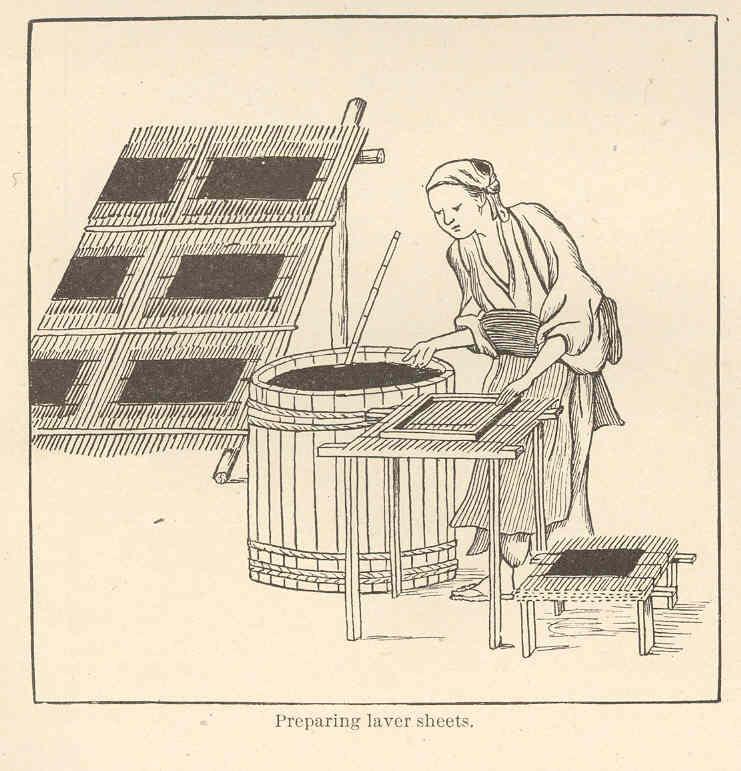
Diagram of seaweed being prepared into sheets for drying.
Diagram of a woman preparing seaweed sheets.
Diagram of kelp being dried on a beach.
Camellia Tea Ceremony
@camelliakyoto@mastodon.social replied  ·  activity timestamp 5 months ago

The paper-making industry would inspire the creation of nori (海苔) in the 18thC.
Using similar techniques to paper production, seaweed was shredded, moulded and dried on racks, creating sheets of edible algae.
Nori would come to play an important role in Japanese cuisine🙌

#海苔 #nori #laver #seaweed
Your browser does not support the video tag.
This video cannot be previewed
Open original
Opening a bamboo wrap to reveal delicious onigiri inside.
  • Copy link
  • Flag this comment
  • Block

bonfire.cafe

A space for Bonfire maintainers and contributors to communicate

bonfire.cafe: About · Code of conduct · Privacy · Users · Instances
Bonfire social · 1.0.1-beta.35 no JS en
Automatic federation enabled
Log in
  • Explore
  • About
  • Members
  • Code of Conduct