

In December 22, 1938 the phone rang at the small museum in East London, South Africa.
It was Captain Hendrik Goosen of the fishing trawler Nerine. He called the museum's curator whenever his nets brought up something unusual, and this time he had something waiting for her at the docks.
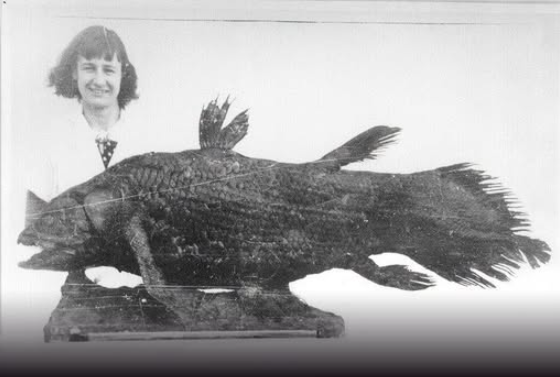
The curator was Marjorie Courtenay-Latimer. She was 31, self-taught and running the museum with almost no money.
#globalmuseum #museums #coelacanth
0 Boosts
0 Likes
She had no idea what it was. She only knew she had to save it.
Getting it back to the museum was its own battle. The fish weighed around 127 pounds and smelled terrible, and a taxi driver refused to take it until she talked him into it. Back at the museum, the chairman took one look and dismissed it as an ordinary rock cod.
Marjorie didn't believe him.
With no refrigeration at the museum, she tried the local hospital mortuary and a cold storage company, and both turned her away.
In the summer heat, with the fish beginning to rot, she had it preserved by a taxidermist so at least its skin and shape would survive.
Then she sat down, drew a rough sketch, and mailed it to Professor J.L.B. Smith, a chemistry lecturer and fish expert at Rhodes University.
Smith was away for the holidays and didn't see her letter until January. When he did, he could hardly believe it. He sent her a telegram that read: "MOST IMPORTANT PRESERVE SKELETON AND GILLS."
Scientists knew the coelacanth only from fossils. It was believed to have vanished around 66 million years ago, at the same time as the dinosaurs. And yet here one was, pulled from the waters off South Africa.
The discovery made headlines around the world and became one of the greatest zoological finds of the 20th century.
Smith named the species Latimeria chalumnae, after the woman who refused to let it be thrown away and the Chalumna River, near where it was caught.
Marjorie lived to be 97.


@globalmuseum
What a great story - thanks so much for sharing! A fish believed extinct, found again, by amateurs… 😀🙏🏻

She was busy, but she decided to go down to the harbor anyway, to wish the crew a merry Christmas and take a quick look at the catch.
She noticed a single blue fin. It was nearly five feet long, a deep mauve blue covered in shimmering silver flecks. Its scales were thick like armor, and its fins grew out of fleshy lobes that looked almost like stumpy legs. She later called it the most beautiful fish she had ever seen.